A Guide to Finding the Best Preschool Options
Selecting the right preschool is one of the earliest and most influential decisions families make for their children. Early learning environments shape social confidence, curiosity, and foundational academic skills. In a close-knit community like Palmetto Bay, parents often seek programs that reflect their values, support whole child development, and create a strong sense of belonging.
When searching for a preschool in Palmetto Bay, families benefit from understanding the variety of educational approaches available and knowing how to evaluate them thoughtfully. Each program offers a different philosophy, structure, and daily rhythm, making it essential to look beyond surface details and focus on what truly supports young learners.
Understanding the Local Early Education Landscape
The community of Palmetto Bay offers a diverse range of preschool models. Families may encounter Reggio Emilia-influenced schools, play-based programs, academic-focused settings, and Montessori-inspired schools. Each approach supports learning uniquely, and none is universally better than another.
Understanding these models helps parents align their expectations with a school’s philosophy. Some programs emphasize child choice and exploration, while others focus on structured routines and early academic readiness. Clarity about priorities makes the search process more efficient and less overwhelming.
Defining What Matters Most for Your Child
Before visiting schools, it is helpful to reflect on your child’s personality, interests, and learning style. Some children thrive in calm, predictable environments, while others flourish in dynamic spaces with constant activity.
Consider factors such as class size, daily schedule, and teaching style. Programs that respect individual development often offer flexible pacing and responsive instruction. Identifying these preferences early helps narrow down preschool options in Palmetto Bay that truly fit your family.
Evaluating Classroom Environment and Atmosphere
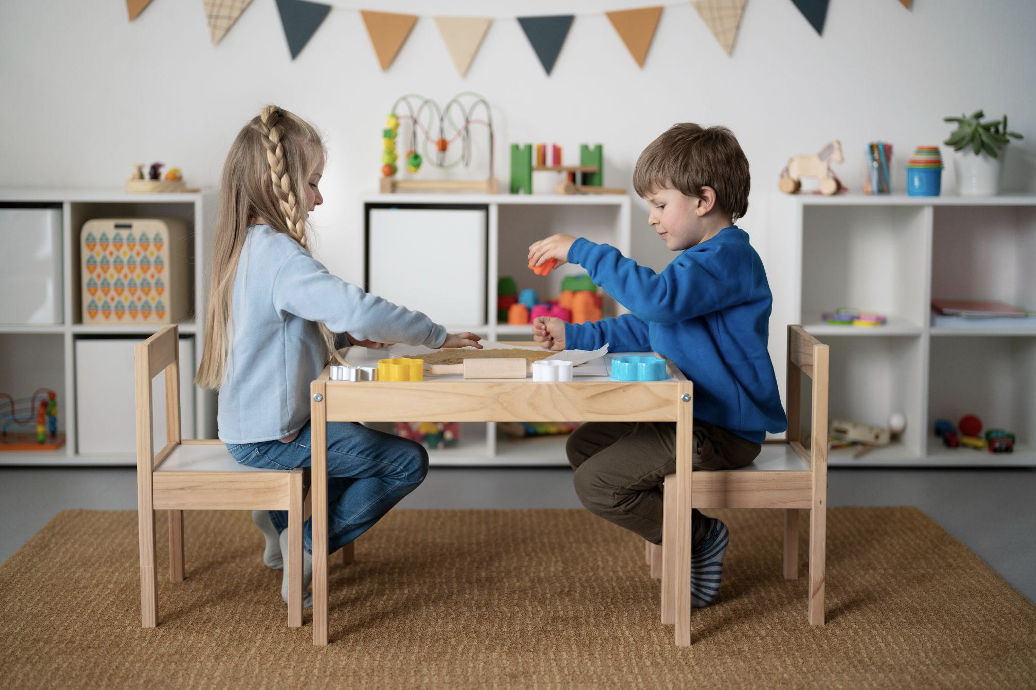
A preschool’s environment speaks volumes about its values. During visits, observe how classrooms are arranged and how children interact with materials. Spaces should feel inviting, organized, and designed for independent use.
Notice whether children appear engaged and comfortable. A positive atmosphere is reflected in respectful communication, smooth transitions, and purposeful movement. These elements support emotional security and create a foundation for effective learning.
Teacher Qualifications and Interaction Style
Educators play a central role in early childhood development. When exploring programs, ask about teacher training, experience, and ongoing professional development. Well-prepared educators understand child development and adapt instruction to meet individual needs.
Observe how teachers communicate with children. Supportive guidance, open-ended questions, and patient listening encourage critical thinking and confidence. Strong relationships between teachers and students are often the hallmark of a high-quality preschool experience.
Curriculum Design and Learning Approach
Curriculum should support cognitive, social, emotional, and physical growth. Look for programs that integrate learning across subjects rather than isolating skills. Language development, early math concepts, creative expression, and social learning should be woven into daily activities.
Ask how learning goals are assessed and adjusted. Effective preschools use observation and documentation rather than standardized testing. This approach respects developmental differences and focuses on meaningful progress.
Outdoor Learning and Physical Development
Outdoor spaces are an essential extension of the classroom. In Palmetto Bay, access to outdoor learning allows children to explore nature, build coordination, and develop problem-solving skills through active play.
Evaluate whether outdoor areas are safe, engaging, and intentionally designed. Varied equipment, open-ended materials, and opportunities for exploration support physical health and cognitive growth simultaneously.
Family Communication and Community Connection
Strong preschool programs value family involvement. Ask how teachers share updates, discuss progress, and invite parent participation. Clear communication builds trust and consistency between home and school.
Community connection is also essential. Preschools that reflect local culture and encourage collaboration often create lasting relationships among families. This sense of community enhances the overall learning experience for children.
Practical Considerations That Influence Daily Life
Logistical details can significantly impact a family’s routine. Consider location, operating hours, and enrollment options. Ask about meals, rest periods, and daily schedules to ensure alignment with your child’s needs.
Affordability and flexibility are also essential factors. Understanding tuition structure, schedules, and policies helps families plan confidently and avoid unexpected challenges.
Making Informed Comparisons With Confidence
As you explore more than one preschool in Palmetto Bay, take notes and reflect on each visit. Comparing observations helps clarify differences and highlight strengths that may not be immediately obvious.
Trust both facts and intuition. A school that aligns with your values and feels welcoming often provides an environment where children can thrive emotionally and academically.
Choosing a Path That Grows With Your Family
Finding the right preschool is not about perfection but about connection and fit. When families take time to understand their options, ask thoughtful questions, and observe, they create a strong foundation for their child’s early learning journey. A well-chosen preschool becomes a place where curiosity is nurtured, confidence is built, and lifelong learning begins.