Handling Urgent Pipe Bursts To Prevent Significant Property Damage
A burst pipe is a nightmare for any homeowner. The sound of rushing water behind a wall can cause instant panic. Fast action is the only way to minimize the mess and save your flooring.
Knowing what to do in the first few minutes saves thousands of dollars in repairs. It is the difference between a small mop-up and a total home renovation. Staying calm allows you to make smart choices during the crisis.
Act Quickly To Stop The Flow
A burst pipe can dump gallons of water into your home in minutes. You must react the moment you hear the spraying sound or see a puddle. Fast action prevents the water from reaching your electrical outlets or expensive rugs.
Grab a bucket or a large trash can to catch the spray. This helps keep the immediate area from getting soaked at the same time you find a permanent solution. Use heavy towels to build a dam to stop the flow from reaching other rooms.
Call for professional help as soon as the water is contained. Experts have the right tools to fix the root cause of the break. They check for hidden moisture that leads to mold growth in the future.
Finding The Main Water Shut-Off
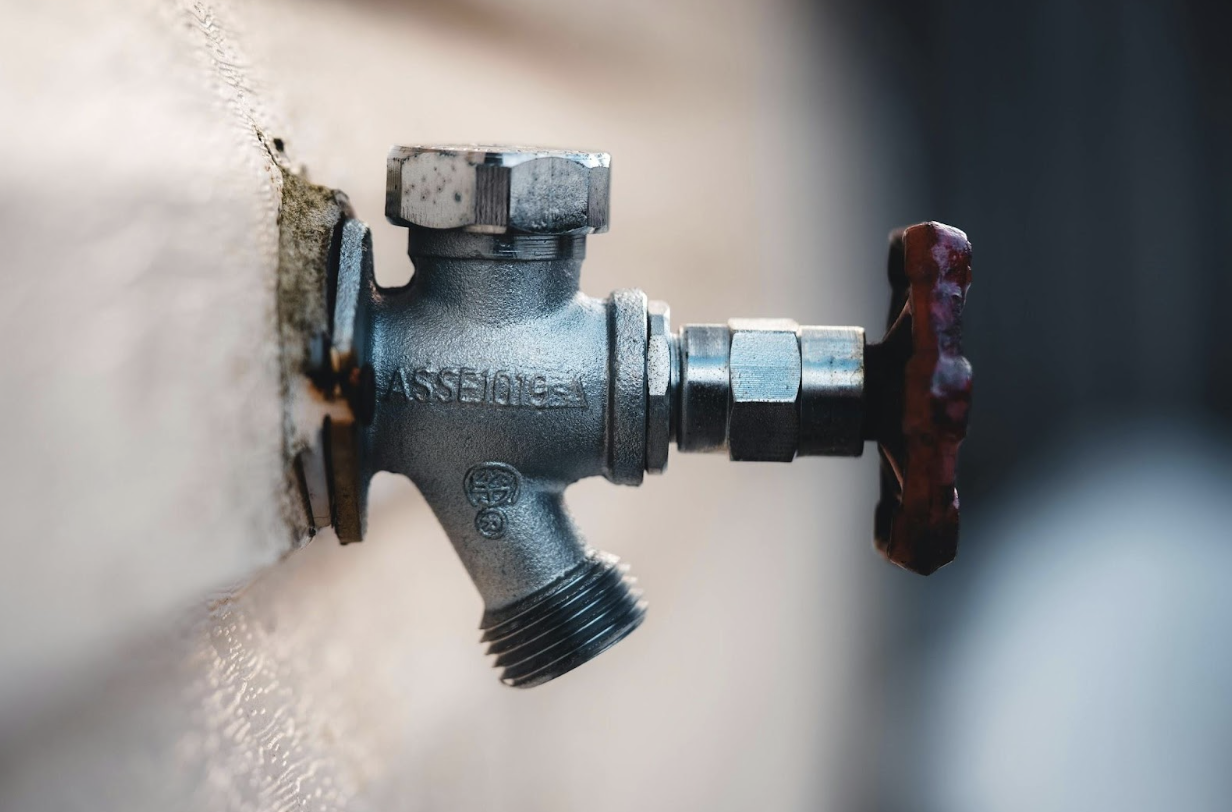
Locating your main valve is the most important step during a flood. Since you need Emergency plumbing Pittsburgh services, you should still turn off the water before the crew arrives. Having this valve accessible prevents long-term structural rot.
Most shut-off valves are in the basement or near the street. Test your valve once a year to make sure it is not stuck. You do not want to find out the handle is broken when water is gushing through the ceiling.
A stuck valve is a major problem during an actual crisis. Keeping it lubricated and clear of clutter makes a big difference. It only takes a minute to verify the valve still turns smoothly.
Global Trends In Residential Pipe Failures
Pipe failures are a widespread issue that affects millions of people. A news report shared that one region saw over 20,000 instances of burst pipes between 2021 and 2025. These numbers show how common it is for plumbing to fail unexpectedly.
Older homes are at a higher risk of these types of accidents. Galvanized steel pipes eventually corrode and thin out from the inside. This hidden rust makes the metal brittle and prone to cracking under water pressure.
Plastic pipes can fail if they are exposed to extreme heat or cold. Knowing the material of your plumbing helps you prepare for risks. Some materials handle temperature swings better than others, even in a climate with 4 distinct seasons.
Common Signs Of Hidden Pipe Issues
Some pipe bursts happen slowly before they become a total disaster. An architectural publication mentioned that a mysterious spike in your monthly water bill might point toward a secret leak. Watching your usage stats helps you catch these problems early.
Damp spots on the ceiling are another red flag. These often look like light brown rings that grow larger. If the spot feels soft to the touch, the leak is likely active and growing.
Smelling mildew in a dry room is a reason to worry. Check behind furniture and inside cabinets for any signs of mold growth. Mold thrives in dark and wet spaces where air does not move.
Managing Water Flow On Your Property
Water needs a clear path to move away from your foundation. One lifestyle magazine suggested that using drainage basins helps keep the air inside and around a house dry by controlling flow. Proper drainage keeps the soil from putting pressure on your basement walls.
Poor grading can lead to water pooling against the siding. This eventually finds a way into the crawlspace or basement. It is best to inspect the slope of your yard during a heavy rainstorm to see where the pools form.
Clear your gutters every fall to prevent clogs. Overflowing water from the roof is a leading cause of foundation cracks. When gutters fail, the water falls directly against the base of your home and creates pressure.
Protecting Your Personal Property And Floors
Start moving furniture away from the wet zone immediately. Wood legs soak up water quickly and can stain your carpets. If an item is too heavy to move, use plastic bags to wrap the feet.
Electronics should be the first items you move to a dry floor. Use these steps to protect your belongings:
- Lift rugs and take them outside to dry.
- Place aluminum foil under heavy furniture legs.
- Open windows to let fresh air circulate.
Using a shop vac can help pull water out of the carpet fibers. This reduces the chance of permanent padding damage. Removing as much liquid as possible helps the professional drying equipment work faster once it is set up.
Handling a pipe burst requires a calm head and fast hands. You can prevent the worst damage by staying prepared. Learning where your pipes are located helps you spot trouble before it starts.
Check your pipes regularly to catch small leaks. Taking care of your home now saves you from a massive headache later. Keep the number of a local plumber on your fridge for quick access.