How to Choose the Right Dog to Adopt for Your Growing Family
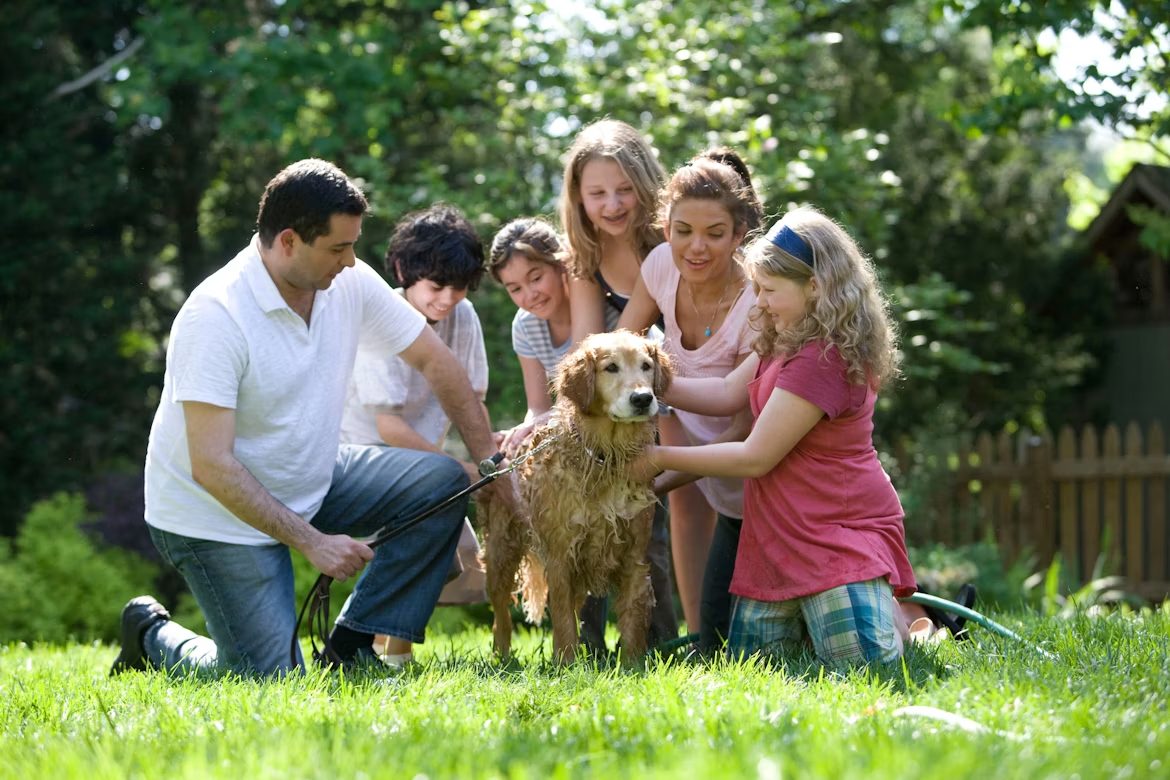
Bringing a dog into your family life is always an eventful experience. As you move from two to three people in the household, you can only imagine the kind of bonding that children and dogs share. However, bringing a dog into a busy household requires some consideration. There are several breeds that do not go well with the busy lifestyle created by having children around in the house. Whether it is a suburban house or an apartment that houses small family dogs, a breed that fits your family is required.
Assess Your Household’s True Activity Level
Before heading off to the shelters or looking through adoption lists, consider your everyday routine. Do you have an active family, spending weekends hiking and playing outside, or do you like quiet nights and leisurely neighborhood walks? An active, young dog living in an active house without much exercise time can result in frustration, stress, and unwanted behavior problems.
A less active older dog may become stressed out from all the loud playtime with energetic toddlers. Matching realistic exercise needs to your own schedule, rather than the schedule you dream of adopting in the future, will make everything easier.
Evaluate Temperament and Age Needs
Although raising puppies along with little kids sounds like fairy-tale fun, it involves a lot of patience, time, and close monitoring. Puppies bite, chew, and require constant house training, which is tiring for parents who already have kids to worry about. Adult dogs have predictable temperaments, house training, and even some manners.
When evaluating dogs, look for breeds or mixed breeds known for patience, gentle dispositions, and tolerance. Many families search online for specific breeds like a Mini Goldendoodle for sale, attracted by their friendly reputation and low-shedding coats. However, take note that a dog’s personality always outweighs its breed characteristics. It is important to meet individual dogs that exhibit an easygoing and adaptable attitude when it comes to dealing with children and new surroundings.
Consider Size, Space, and Grooming Needs
The physical size of the dog becomes a consideration for how he or she will integrate into your lifestyle and home environment. Big dogs have a tendency to topple over small children while playing, while extremely fragile toy dogs could be at risk of getting hurt by rowdy children.
Beyond physical size, consider grooming and healthcare requirements:
- Grooming demands: Long-haired or non-shedding dogs need frequent brushing and professional haircuts, which add ongoing tasks and expenses to your family calendar.
- Shedding coats: Short-coated breeds require less grooming upkeep but may shed more heavily around your home.
- Budgetary impact: Larger dogs consume significantly more food and require higher doses of medication, driving up general care costs.
Remember to consider the cost of proper veterinary care, good nutrition, and grooming expenses.
Navigating the Adoption Process Together
After determining what type of dog you would like, involve your entire family in the adoption process. Work with trusted local shelters and rescue groups that do behavior testing and child safety tests.
Whenever feasible, plan a "meet and greet" session in which the dog interacts with everyone in your family.
Watch how the dog responds to your children’s movements and voices:
- Positive signs: Relaxed body language, soft eye contact, a wagging tail, and gentle curiosity.
- Red flags: Excessive stiffness, hiding, avoidance, or intense fear reactions.
Consider fostering a dog first if the rescue organization allows it. Fostering gives your family a low-risk trial run to see how a pet adapts to your home routine before making a permanent commitment.
Conclusion
Bringing an adopted dog home is one of the most rewarding decisions a family can make. By prioritizing temperament, matching energy levels, and evaluating your practical space and budget, you set the foundation for a lifelong bond. Whether your ideal companion turns out to be an energetic retriever mix or one of the many adaptable small family dogs, taking the time to make an informed choice guarantees a loving, harmonious home for both your children and your new best friend.