Is My Child Really Ready for Kindergarten? A Parent’s Guide
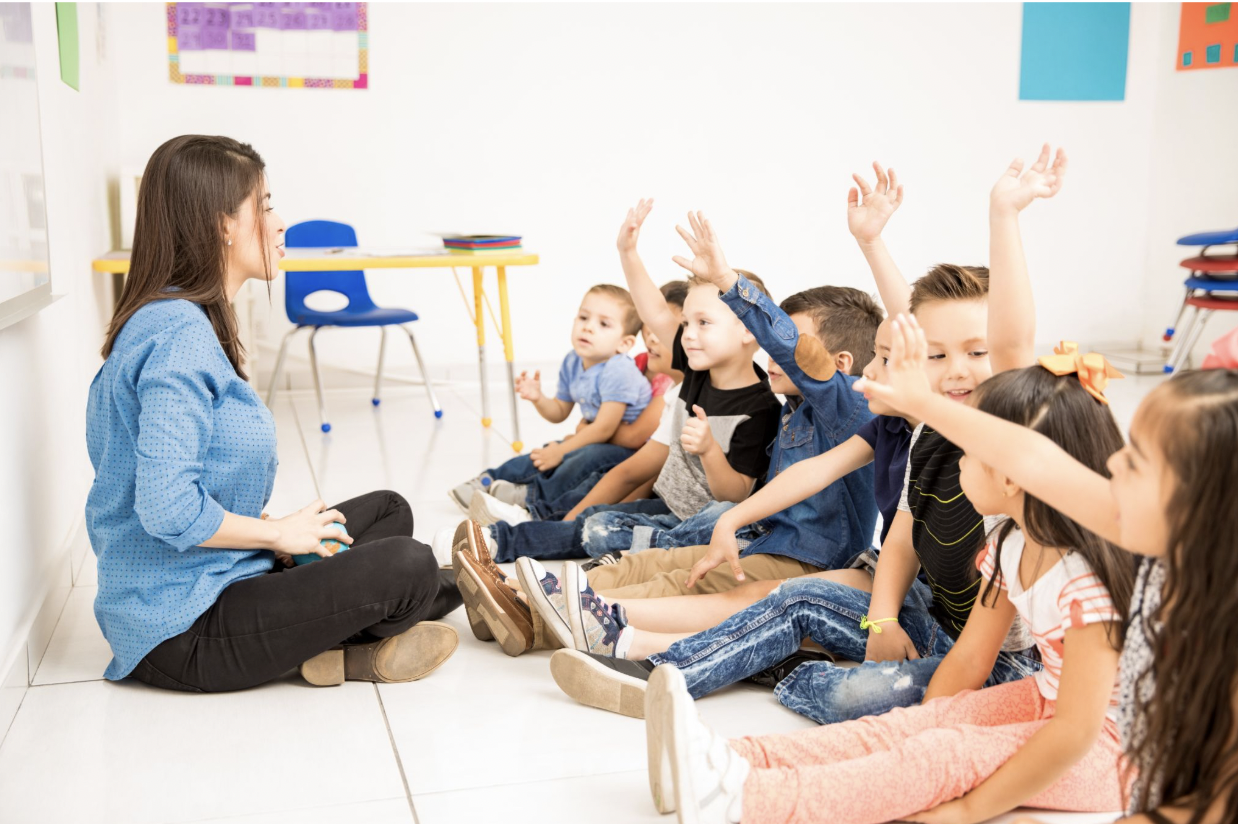
Kindergarten can feel like a big line in the sand. One day, your child is building towers, asking for snacks every twenty minutes, and needing help with shoes. Then, suddenly, you are supposed to know if they are ready for a more structured school day. That is a lot to figure out from the outside.
If you are looking at preschool in Cheyenne, WY, you may already be thinking ahead to kindergarten readiness. In a place like Cheyenne, where families may be balancing work schedules, weather changes, school calendars, and long days, readiness is not just about knowing letters. It is about whether your child can handle the rhythm of a school day with growing confidence.
Kindergarten Readiness Is Not One Skill
Parents often ask, “Should my child know how to read before kindergarten?” The short answer is no. Some children enter kindergarten reading simple words. Some are still working on letter sounds. Both can be okay.
Readiness is a mix of social, emotional, physical, and early academic skills. Your child does not need to be perfect in every area. They need enough foundation to learn in a group, follow simple routines, and keep trying when something feels hard.
Look at How Your Child Handles Instructions
A good sign of readiness is whether your child can follow simple directions most of the time. Not every time. Preschoolers still forget, argue, get distracted, and decide the floor is suddenly more interesting than the teacher.
But can your child follow a two-step direction like “put your coat away and come sit on the rug”? Can they clean up with reminders? Can they move from one activity to another without falling apart every single time?
These small moments matter because kindergarten has many transitions.
Social Skills Are More Important Than Flashcards
Being ready for kindergarten does not mean your child is the loudest, most outgoing, or most independent kid in the room. It means they are learning how to be around other children.
Can they take turns with help? Can they ask for a toy instead of grabbing it every time? Can they play beside or with other children? Can they handle not being first?
These skills are not automatic. They grow through practice. Preschool gives children daily chances to work through sharing, waiting, listening, and solving small problems with adult support nearby.
Emotional Readiness Also Counts
Kindergarten can be exciting, but it also asks a lot from a young child. They may have to separate from you, sit for short lessons, try unfamiliar tasks, and deal with frustration.
A child who is emotionally ready does not stay calm all day. That is not realistic. Instead, look for recovery. When your child gets upset, can they calm down with help? Can they use a few words to explain what happened? Can they try again after a mistake?
Recovery is more important than never crying.
Self-Help Skills Make the Day Easier
Kindergarten teachers expect to help children. Still, basic independence can make your child’s day smoother.
Useful skills include using the bathroom, washing hands, opening some lunch items, putting on a jacket, carrying a backpack, and asking for help when needed. Your child may still need support with buttons, zippers, or tricky food packages. That is normal.
If you want to practice at home, keep it low-pressure. Let your child try first, then step in. The goal is not speed. The goal is confidence.
Early Learning Should Feel Familiar, Not Forced
Your child does not need to master worksheets before kindergarten. But they should have some comfort with books, songs, counting, colors, shapes, drawing, and name recognition.
You can build these skills in ordinary ways. Count crackers. Read at bedtime. Point out letters on signs. Talk about the weather. Ask what happened first, next, and last in a story.
Children learn more when it feels connected to real life.
Wrapping Up: Ask Better Questions Than “Are They Ready?”
Instead of asking only, “Is my child ready for kindergarten?” ask, “What kind of support does my child still need before kindergarten?”
Maybe they need more practice separating at drop-off. Maybe they need help using words when frustrated. Maybe lunch skills are still shaky. Maybe they are ready academically but need more confidence in a group.
That kind of answer is more useful. Readiness is not a pass-or-fail test. It is a picture of where your child is right now and what adults can do next. If your child is growing in independence, curiosity, communication, and resilience, they are moving in the right direction.