Making Science Fun for Young Learners
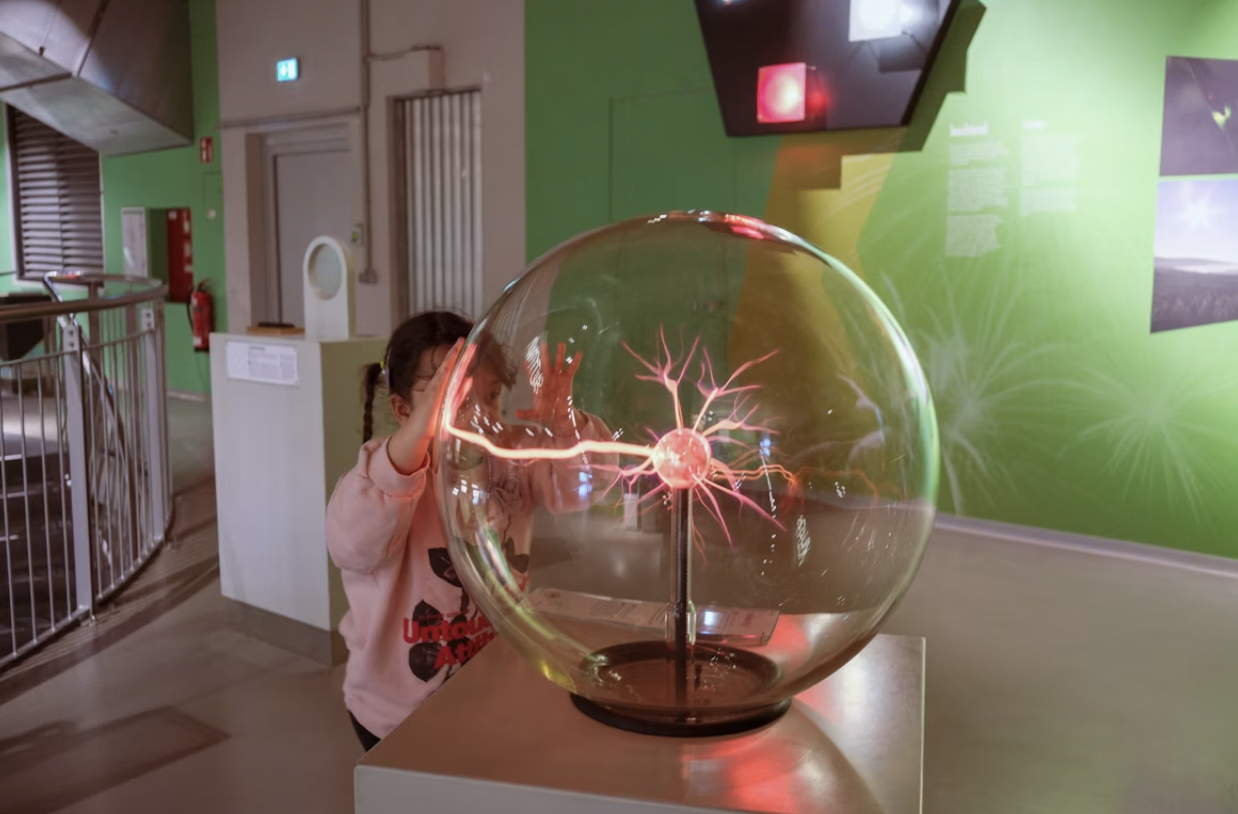
Science isn't just for labs and textbooks; it's a fantastic way to spark curiosity and wonder in young children. When you turn everyday moments into learning opportunities, you help your child develop critical thinking skills and a lifelong love for discovery. You don't need a degree or expensive equipment, just a little creativity and a willingness to explore alongside them.
Everyday Science Experiments
Your kitchen can be your child's first science lab. Simple activities with household items can introduce core scientific principles in a fun, hands-on way. Try mixing baking soda and vinegar to show a chemical reaction, or place a celery stalk in colored water to see how plants absorb nutrients. These are great ways to demonstrate cause and effect.
Another easy experiment is exploring density. Have your child gather small objects from around the house and predict which ones will sink or float in a basin of water. These types of science activities for preschoolers teach observation and hypothesis testing without feeling like a formal lesson. The key is to ask questions like "What do you think will happen?" and "Why do you think that happened?" to encourage their thinking.
Building a Foundation in Biology
Biology, the study of living things, is all around us. You can start building a foundation in this fascinating subject by simply talking about the plants, animals, and people in your child's world. A pet provides a perfect opportunity to discuss what living things need to survive: food, water, and shelter. Planting a small herb garden on a windowsill can teach the life cycle of plants firsthand.
As children grow, their curiosity will lead to more complex questions. Fostering this early interest can pave the way for a deeper understanding of subjects later in their education. While it may seem far off, simply watching a caterpillar turn into a butterfly can be the first step on a path that eventually leads to more structured learning, like using resources for GCSE Biology revision. The goal is to nurture that initial spark of wonder about the natural world.
Nature Walks and Discovery
The great outdoors is the ultimate classroom. A simple walk in a park or your own backyard can turn into a scientific expedition. Encourage your child to use their senses: What do they see, hear, and smell? You can go on a scavenger hunt for different types of leaves, rocks, or insects. Bring a magnifying glass to inspect a flower's petals or the intricate pattern of a bug's wings.
Turning these outings into learning moments helps children connect with their environment. You can create a nature journal where they draw what they find or press flowers and leaves. Discussing how seasons change the landscape or why some animals are only seen at night are great ways to explore science taught and enhanced outdoors. It shows them that science is a dynamic and ever-present part of their world.
About Scientific Heroes
Introducing children to the stories of real-life scientists can make the field feel more personal and inspiring. Find age-appropriate books or short videos about figures like Marie Curie, George Washington Carver, or Jane Goodall. Hearing about their curiosity, perseverance, and groundbreaking discoveries can show your child that scientists are regular people who ask big questions.
Focus on the person behind the science. Talk about the challenges they faced and the passion that drove them. This approach helps humanize science and can inspire children to see themselves as potential innovators and problem-solvers. It shifts the focus from abstract concepts to relatable human stories of exploration and determination.
Educational Apps and Games
In today's digital world, technology can be a powerful ally in making science fun. Many high-quality apps and online games are designed to teach scientific concepts in an interactive and engaging way. Look for apps that encourage exploration, problem-solving, and creativity rather than just rote memorization.
Games that let kids build ecosystems, explore the human body, or solve physics-based puzzles can be excellent learning tools. When choosing an app, consider playing it with your child to turn screen time into a shared activity. You can discuss the concepts presented and connect them back to real-world examples, reinforcing the lessons in a fun, collaborative way.
Making science accessible and enjoyable for young learners is all about fostering their natural curiosity. By exploring, questioning, and discovering together, you can help them build a strong foundation for future learning and a lasting appreciation for the world around them.