The Neck Fracture With a Name You Don't Forget
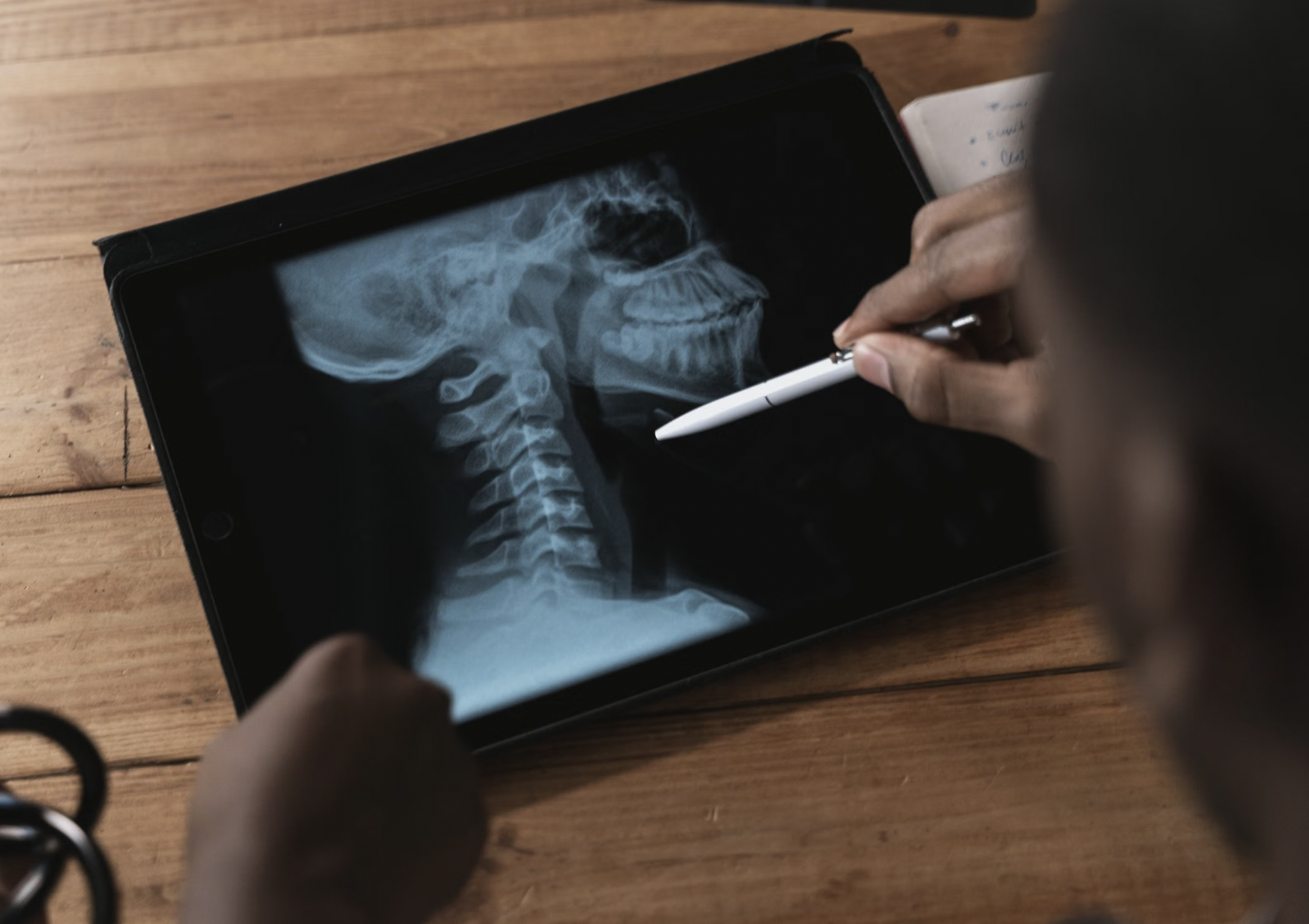
The bones in the neck are small compared with many others in the body, but they have an enormous job. They support the head, allow it to move in different directions, and surround the spinal cord as it travels down from the brain. An injury high in the neck can therefore be particularly concerning.
One of those bones is the C2 vertebra, located near the top of the cervical spine. A powerful force can fracture specific parts of this vertebra, creating an injury that needs careful medical evaluation. Its location alone makes doctors pay close attention to the stability of the neck and nearby structures.
One particular C2 injury is called a hangman's fracture. The name may sound unusual, but the important issue is what happened to the vertebra, whether the injury is stable, and how surrounding structures were affected.
C2 Helps Your Head Move
The cervical spine contains seven vertebrae running from the base of the skull down through the neck. C2, also known as the axis, sits just below the first cervical vertebra and plays an important role in allowing the head to rotate from side to side.
That movement is possible because the upper cervical spine is built differently from much of the rest of the spine. C1 and C2 work together to provide substantial mobility while also protecting the spinal cord. It's an impressive combination of movement and structural protection packed into a relatively small area.
That location also explains why injuries involving C2 deserve careful attention. A fracture isn't simply a broken bone somewhere in the neck. Doctors need to consider alignment, stability, nearby ligaments, and the spinal canal. The exact fracture pattern matters because different injuries involving the same vertebra can create very different medical concerns.
A Sudden Force Can Injure the Upper Neck
This type of fracture is often associated with significant trauma that forces the head and neck into an extreme movement. Motor vehicle collisions are one possible cause, particularly when the body experiences a sudden, forceful change in motion during the crash.
Falls can cause serious upper-neck injuries as well. The direction of the impact, position of the head, and amount of force all influence what happens to the cervical spine. Other high-energy events may produce similar injuries depending on how the force travels through the body.
Knowing the general mechanism doesn't reveal exactly what happened in an individual case. Two people involved in similar crashes can sustain completely different injuries. That's why the circumstances of the accident are only part of the medical evaluation. Imaging and examination are needed to determine which structures were actually injured and whether the spine remains stable.
Neck Pain After Trauma Deserves Attention
Pain high in the neck can be one symptom after a C2 injury. A person may also experience stiffness or tenderness and find that moving the head becomes uncomfortable. After significant trauma, those symptoms shouldn't be brushed aside simply because the person can still stand, talk, or move around.
Neurological symptoms can raise additional concern. Numbness, tingling, weakness, changes in sensation, or difficulty controlling movement may suggest that nerves or the spinal cord could be involved. Symptoms can vary considerably depending on the exact injury and whether surrounding structures were affected.
The safest response after serious neck trauma is appropriate medical assessment rather than testing how much the neck can move. Emergency professionals may take precautions to limit unnecessary movement until the cervical spine can be evaluated. A person doesn't need dramatic symptoms for a potentially significant neck injury to deserve medical attention.
Imaging Shows What Symptoms Can't
Doctors evaluating a possible upper-cervical fracture may use imaging to see the bones and surrounding structures in far more detail than a physical examination alone can provide. X-rays may be useful in some situations, while CT imaging can provide detailed views of fracture patterns and alignment.
MRI may be considered when doctors need additional information about soft tissues, ligaments, the spinal cord, or other structures. The findings help determine an especially important question: whether the injury is stable. That answer can strongly influence what happens next.
Treatment isn't identical for every C2 fracture. Some injuries may be managed with immobilization, while unstable or more complicated fractures may require surgery. Other injuries occurring at the same time can affect the plan as well. Recovery therefore depends on the fracture pattern, stability, overall health, treatment approach, and how healing progresses over time.
Conclusion
A memorable name can make this particular neck fracture stand out, but the terminology isn't what makes the injury medically important. C2 sits in a critical part of the cervical spine where mobility, structural stability, and protection of the spinal cord all come together.
Significant trauma can damage that area even when the full seriousness of the injury isn't immediately obvious. Neck pain, stiffness, tenderness, or neurological changes after a major impact can all deserve prompt attention, and imaging may reveal problems that symptoms alone can't clearly identify.
That's why serious neck trauma isn't a good situation for self-diagnosis. Proper evaluation can show where the injury occurred, whether the spine remains stable, and what treatment is appropriate. When a small bone in such an important location is involved, knowing exactly what happened matters far more than guessing based on how manageable the pain initially feels.