Choosing a Teen Sleepaway Camp Near Los Angeles: 7 Picks Where Teens Choose Their Own Specialty
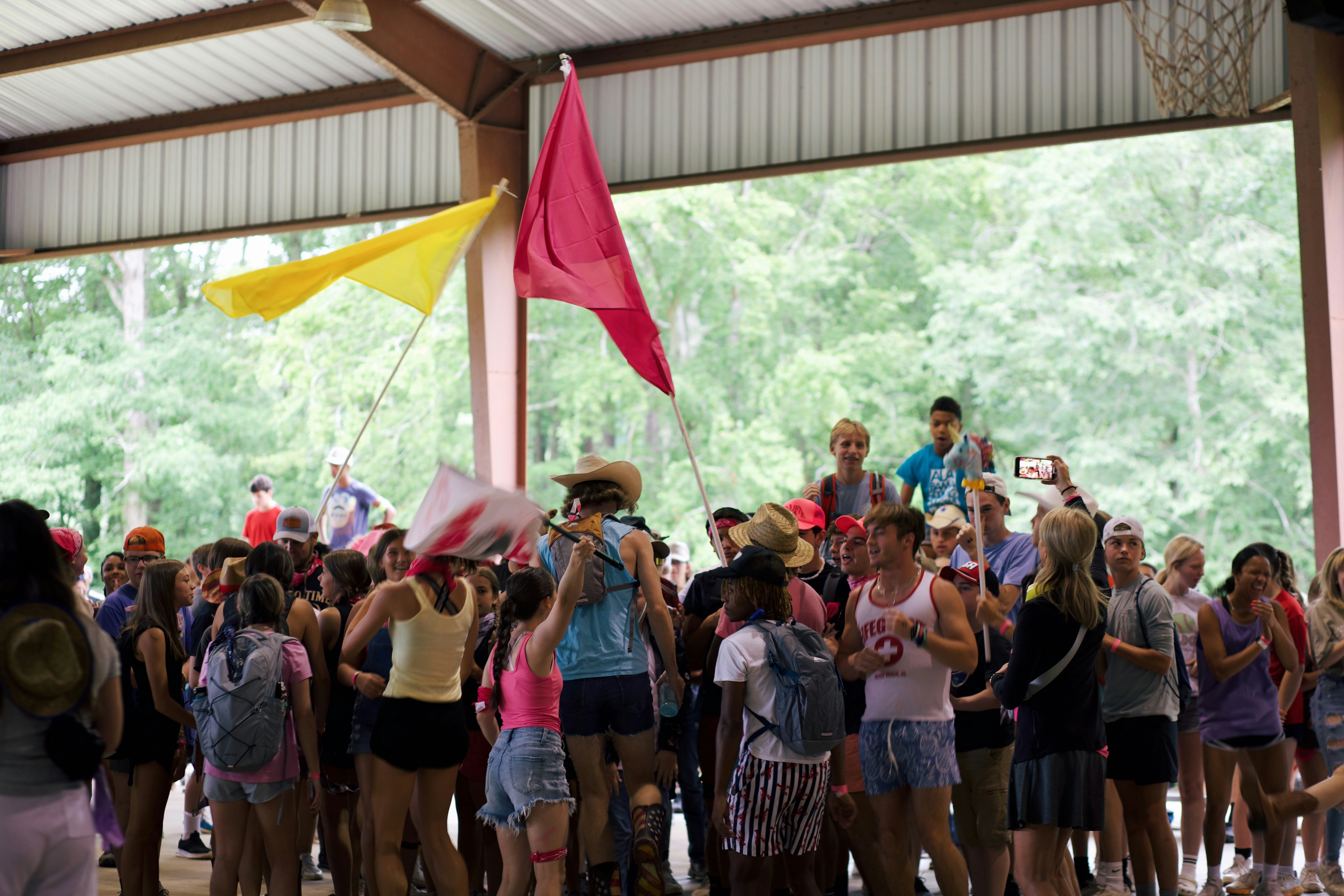
Every parent knows the moment. A teenager slides the old day-camp flyer across the kitchen table and sighs, "When do I get to actually choose what I do?" If you have ever typed best teen camp in los angeles into a search bar late at night, you know that shrug well.
The middle-school mix of archery, friendship bracelets and rest hour no longer thrills a high schooler who wants to film a short, build a robot, play a guitar solo or explore a kelp forest. What many of these teens need is a real sleepaway experience, close enough to Los Angeles for a weekend drop-off, yet far enough away to feel like an adventure of their own.
For parents, that choice comes with its own questions. Who watches the cabins at night? How far is the drive if something goes wrong? Will my teen love it, or call home on day two? This guide is written for the parent doing that homework, whether your oldest is heading into high school next summer or you are planning ahead for the years when the little ones grow up.
Some of the programs below sit in the San Bernardino Mountains, others on Catalina Island or in the hills of Ojai, and every one serves Los Angeles families. Each pick gives teens a different level of control: one intensive specialty for the week, a build-your-own schedule, or a deep dive into a single passion. The goal is to help you spot the format that turns a teen's shrug into "Let's go."
How These Camps Were Chosen
The first test was simple: every program on this list is a true overnight camp, with cabins and counselors on site at night. A camp that ended at dinnertime was out.
The second test was teen access. Each pick runs sessions or tracks for teenagers and publishes its age ranges and program details on its own official website.
The third question was how much say a teenager gets once drop-off is done. Some camps hand over a single specialty for the week, others let campers build a schedule from core activities and electives, and some offer a focused creative or leadership track. Each one lets campers shape at least part of the day.
Safety information also mattered. Parents should be able to find, on each camp's own site, who supervises campers, how cabins are staffed or how the camp is accredited. Where a camp lists American Camp Association accreditation or staff screening, that detail appears in its entry. Where it does not, the entry sticks to what the camp itself publishes, so parents can check every point before they call.
Finally, there was the geography test. Every camp sits in Southern California or on Catalina Island, close enough for Los Angeles families to handle travel without a flight.
1. Pali Adventures (Running Springs)
A Specialty That Shapes the Week
At Pali Adventures, every camper picks one specialty per session week, and that choice steers the seven days and six nights that follow. The camp offers 27 specialties, so the menu is deliberately varied.
Budding YouTubers can choose Content Creator Camp, which is open to ages 13 to 16. Future engineers can pick Robotics, speed fans can choose Motorsports, and teens who love special effects can try Movie Make Up. Other options include Film, DJ Camp, Rock Star, Broadcasting, Flying Trapeze, Hollywood Stunts and Outdoor Survival Skills. Teens who like to perform can also look at Acting, Dance, Magic Camp and Cirque Du Pali, while hands-on teens may prefer Culinary, Fashion or Aviation. Teens aged 15 and 16 who are ready to lead can apply for the CIT Leadership Program.
Committing to one specialty does not lock a camper into a single interest for the whole summer. Campers who stay for more than one week can choose a new specialty for each session, which turns a summer into a playlist of experiences.
Beginners are welcome. Pali describes its programs as supportive of all ability levels, so teens can try something new without any pressure to already be good at it.
Safety Systems Parents Can Understand
Pali sits in Running Springs, in the San Bernardino Mountains, about 90 minutes from Los Angeles. Campers are grouped by age into Mini Camp (6 to 8), Juniors (8 to 12) and Seniors (13 to 16), and each group has its own cabins and activity groups, so teens get time with their own age group.
The camp is accredited by the American Camp Association, which reviews more than 250 standards, and holds accreditation through the Western Association of Independent Camps. Every counselor passes LiveScan and U.S. Department of Justice background screening, and staff complete a 14-day on-site training period that includes CPR and First Aid certification.
Licensed nurses are on site daily, and a designated doctor is on call at the local emergency room for anything beyond routine care.
A session also includes all activities, meals, lodging and programming, with no added fees for electives or specialties. That combination is why many families shortlist Pali as an Overnight Summer Camp in Southern California when a teenager wants a focused week without giving up the variety of camp life.
2. Canyon Creek Summer Camp (Lake Hughes)
Canyon Creek Summer Camp is a co-ed sleepaway camp in Lake Hughes for ages 7 to 16. It suits teens who still want a classic, everything-camp summer with a familiar cabin crew.
The camp describes its days as structured, fun-filled and balanced, which works well for first-time sleepaway campers who like knowing what comes next. Sessions run from one week up to four weeks. One-week sessions are open to campers aged 7 to 14, so older teens plan for a longer stay.
For older teens, the draw is leadership. The Canyon Creek CIT Program is for campers who are 15 or 16 and entering 10th or 11th grade, with a genuine interest in working with children. It gives a teen who has outgrown being a regular camper a real role and responsibility.
For a social teen who wants traditional camp energy and a path toward leadership, Canyon Creek is a strong fit.
3. AstroCamp (Idyllwild)
Some teens light up when science becomes hands-on, but lose interest at the thought of another lecture. AstroCamp, in the mountain town of Idyllwild, builds its summer around that balance.
The two-week overnight session is open to ages 12 to 17 and runs 14 days and 13 nights. Younger campers aged 7 to 13 can attend one-week sessions instead.
Before camp, teens build their own schedule by choosing core activities and electives. The options mix STEM and outdoor time, including astronomy, rockets, robotics and welding, along with mountain biking, climbing, culinary arts, ceramics and creative arts.
The result is a science playground where curiosity leads the day and classic camp moments still happen. For a teen who wants science with dirt under their shoes and stars over their bunk, AstroCamp is a natural choice.
4. Catalina Sea Camp (Avalon)
Catalina Sea Camp trades city noise for the sound of waves. Its sessions take place at Toyon Bay, a private cove a few miles from Avalon on Catalina Island.
The camp runs 2.5-week sessions for ages 12 to 17, which gives teens time to settle in and build real independence. Younger campers aged 8 to 13 can choose a one-week session instead.
The setting does most of the talking. Campers are outfitted for snorkeling and scuba diving on the Dive Deck, sailing classes run out of the Yacht Club, and the Marine Science Labs have aquariums and touch tanks for close encounters with ocean animals. A climbing wall, seafood cookery and court games round out the days.
For a teen who dreams in ocean blues and wants a longer stretch away from home, Catalina Sea Camp feels less like a session and more like a small island community.
5. Amplify Sleep Away Camp (Ojai)
Creative teens often juggle too many passions for a single-label program. Amplify, a music and arts sleepaway camp held at Besant Hill School in Ojai, lets them choose a lane and go deep.
Amplify serves girls ages 8 to 17 and also welcomes gender-expansive youth. Teens have their own programs: Legends is for campers entering grades 9 and 10, and LITs (Leaders in Training) is for campers entering grades 11 and 12. Main sessions last two weeks, and families can combine two sessions for a four-week stay.
Campers pick a creative immersive, with options such as Rock Band 101, Songwriting and Performance, Musical Theater, Film Making, Fashion Design, Fine Arts, Band Photography and Album Design, and Live Sound Engineering. Available immersives vary by session.
The camp describes itself as safe and inclusive, with a focus on confidence rather than competition. For a teen who wants to create, perform and bond with peers who live for the next project, Amplify is a natural stage.
6. Camp Bravo (Angelus Oaks)
When theater feels like home, Camp Bravo turns the San Bernardino National Forest into a weeklong stage.
The camp serves young people ages 12 to 18 who are interested in the performing arts. Its summer session runs for one week at the de Benneville Pines camp facility in Angelus Oaks, about two hours from Los Angeles.
Instruction comes from seasoned professionals, and the camp describes a safe, non-competitive environment where campers can immerse themselves in the thrill of performing. Each cabin is staffed by two qualified adult counselors, which gives parents a clear picture of nighttime supervision.
For a teenager who already speaks in show tunes, Camp Bravo offers a full week of performing without the pressure of a high-stakes audition season.
7. Camp Alonim (Simi Valley)
Some summers are about unplugging from home, others about plugging into a community. Camp Alonim offers both.
The overnight camp takes place on the Brandeis-Bardin Campus in Simi Valley and serves campers in grades 2 through 11, within a program rooted in Jewish values. Sessions range from one week to more than a month, so families can choose a short first taste or a full season.
Campers pick electives, and the oldest campers add a Specialty Focus area that lets them go deep into one pursuit, such as an art project, songwriting, choreography or horseback riding, across the whole session.
Older teens can also step into leadership. Alonim lists a CIT program for 11th graders, a path that gives a returning camper real responsibility. For families who want a longer stay inside a close-knit community, Camp Alonim stands out.
How to Tell If Your Teen Is Ready for Sleepaway Camp
Start with enthusiasm, not the calendar. A teen who lights up when talking about a film project or a marine lab dive is already halfway there. Curiosity fuels confidence.
Next, look at time away from home. A teen who has handled a two-night school trip or a weekend at a friend's house without daily calls home is likely ready for a longer stretch.
Everyday habits matter too. Teens who can shower, manage skin care, keep track of their belongings and remember a water bottle without reminders are showing the basic self-care skills that make a week in a shared cabin much easier.
Social readiness counts as well. Sharing a cabin means negotiating bunk space, lights-out time and the occasional friendship snag. Teens who can ask a counselor for help, instead of waiting to vent at pickup, settle in fastest.
Homesickness deserves an honest talk before the duffel comes out. Most teens feel a pang at some point, and that is normal. It helps when the teen, not only the parent, picks the camp and the specialty. A teen who chose the week has a reason to stay with it on a slow first night. Parents can also agree in advance on how letters or check-ins will work, so nobody waits for a call that the camp's rules do not allow.
It is also worth a short practice run. A teen can pack their own bag for a weekend trip, then unpack it and say what was missing. That small rehearsal builds the kind of independence that makes a cabin feel like home by day two.
Finally, match personality to camp policy. Many camps limit phone use, so it helps to read each camp's own rules with your teen. A teenager who can handle a low-tech week, roll with schedule changes and still name one activity they cannot wait to try is ready to pack the duffel.
Which Camp Fits Your Teen
The right camp is the one a teenager is excited to talk about at dinner. As a parent, your part is checking the safety details, the drive and the budget; your teen's part is getting excited about the program. A good next step is to sit down together, read each camp's own pages, and let the teen make the first shortlist. Here is a quick way to start that conversation.
Pali Adventures suits the teen who wants one spotlight specialty each week, plus the cabin life of a full overnight camp.
Canyon Creek fits a social teen who loves classic camp and wants a path toward a CIT role.
AstroCamp is for the tinkerer who wants to build a schedule around rockets, robotics and mountain biking.
Catalina Sea Camp belongs to the ocean-obsessed teen ready for 2.5 weeks of snorkeling, sailing and marine science.
Amplify calls to the creative teen who dreams in song lyrics, storyboards or fashion sketches.
Camp Bravo fits the theater kid who wants a full week on stage in the mountains.
Camp Alonim anchors teens who want a longer stay in a close community, with electives and leadership tracks.