How an ABA Therapy Practice Helps Children Reach Key Milestones
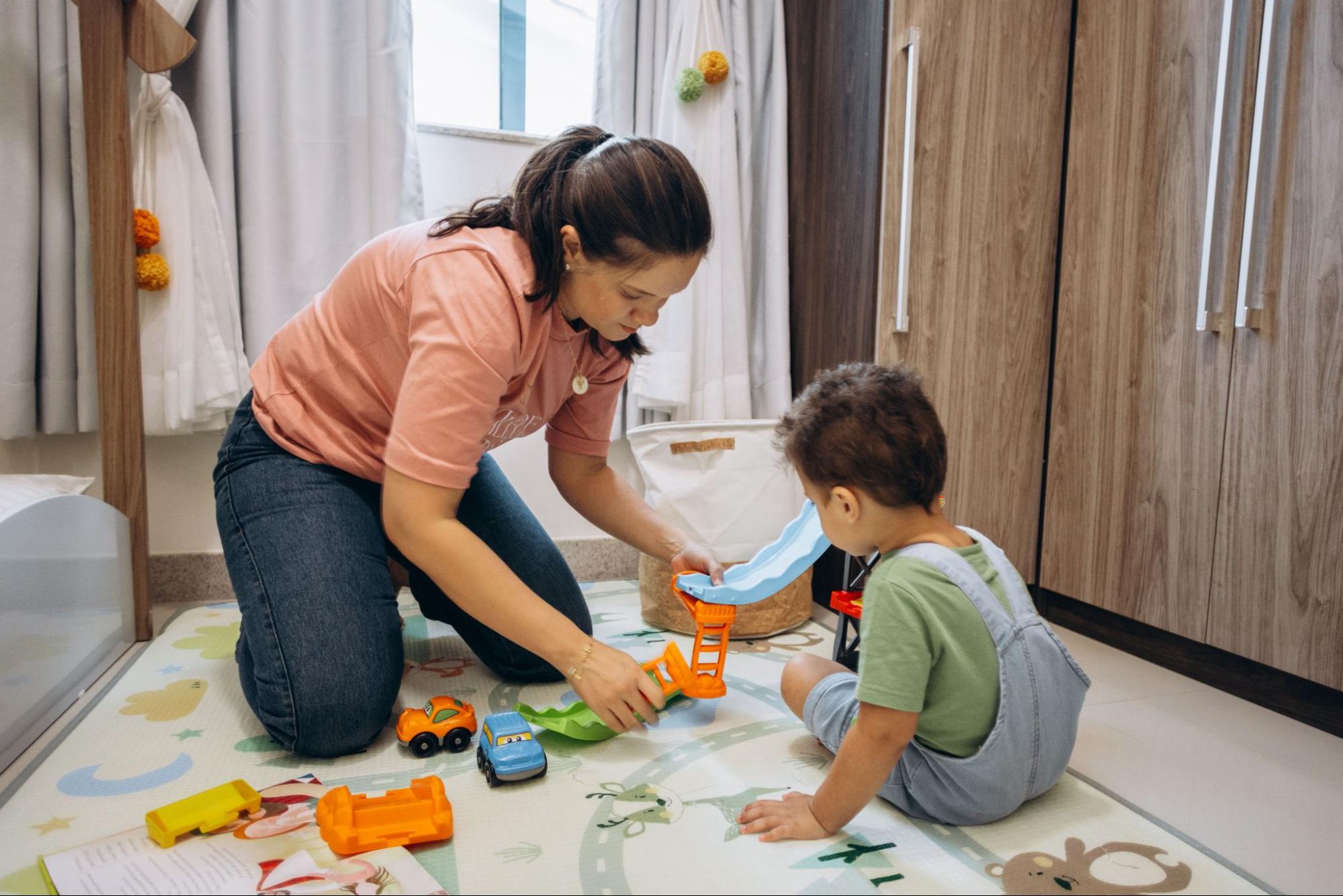
Children develop skills at different rates, and some everyday tasks require more support than others. Applied behavior analysis (ABA) therapy uses observation and teaching strategies to help children practice skills that matter in daily life. A child might work on asking for a break, joining a game, or washing their hands. Progress depends on the child and the support provided, so useful goals begin with a close look at individual needs.
Starting with the child's needs
An assessment gives the therapy team a starting point for choosing goals. Families using the search phrase ABA therapist Texas can ask how a practitioner observes a child's current skills and includes caregiver priorities. The discussion should also cover the child's interests, communication methods, and situations that cause distress, so the plan reflects daily life rather than a generic checklist.
A useful goal describes an action that someone can observe. For example, a goal might focus on a child requesting help during a difficult task. The team records what the child already does, which provides a point of comparison for later progress.
Breaking skills into manageable steps
Some milestones involve several actions. Handwashing, for example, requires turning on the water, using soap, rinsing, and drying hands. A therapist can teach individual steps while supporting the rest of the routine.
Prompts provide temporary help. A therapist might point to the soap or demonstrate how to use it, then gradually reduce assistance as the child gains confidence. The team records which steps the child completes independently and adjusts the teaching approach if progress stalls.
Practice should fit the child's pace. A rushed session or repeated demands can make a routine harder to learn, so breaks and preferred activities should be part of the plan.
Building communication throughout the day
Communication goals should give a child practical ways to express needs and preferences. Depending on the child, a therapist might support spoken words, gestures, pictures, or a communication device.
For a child learning to request a break, practice could begin during a short activity. When the child signals a need to stop, the adult honors the request. The team can then help the child use the same request during other activities.
Communication also includes saying no. Caregivers and therapists should discuss how adults will recognize refusal and respond respectfully, especially when a child does not use speech.
Practicing independence in daily routines
Daily routines give children repeated chances to use new skills. A therapist might teach a child to put a backpack away after arriving home or choose clothing for the next day. The selected task should suit the child's abilities and the family's priorities.
The team can adapt the environment and teach the skill. For example, a picture near a storage shelf can show where a backpack belongs. Clear access to materials gives a child more opportunity to act without an adult's help.
Independence does not mean completing every task alone. Appropriate support remains available when a child needs it.
Bringing caregivers into the plan
Caregivers know which routines are difficult and which activities a child enjoys. Their input helps the therapy team choose goals that fit home life. For example, a child who loves drawing might practice requesting a favorite marker during an art activity.
A practical caregiver meeting includes a demonstration and time for questions. The therapist can show how to give a prompt, explain when to step back, and discuss what to do if the child becomes upset.
Families can also describe strategies that do not fit their routines. The team can revise a plan when it places too much demand on the household.
Reviewing progress and comfort
A practice should explain how it tracks progress toward each goal. Records might show whether a child completed a step independently or needed a prompt. Comparing those observations over time gives the team information for adjusting instruction.
Caregivers can ask to see examples of the records and discuss what counts as progress outside a session. A skill used with one therapist may still need practice with a caregiver or in another setting.
Comfort matters during review, too. If a child regularly shows distress, the team should examine the activity and respond rather than treating compliance as the sole measure of success.
Conclusion
Before choosing a therapy plan, families can identify one routine they want to make easier and ask how the practice would assess it. A useful answer includes the child's current abilities, an observable goal, and a way to review progress. Families should also ask how the team responds when a child refuses an activity or becomes distressed. Those details help caregivers judge whether the approach respects the child while addressing a practical need.