Common Knee Strains Experienced by New Parent
Becoming a parent brings plenty of joy and a lot of physical work. Your body goes through massive changes as you adjust to a new routine.
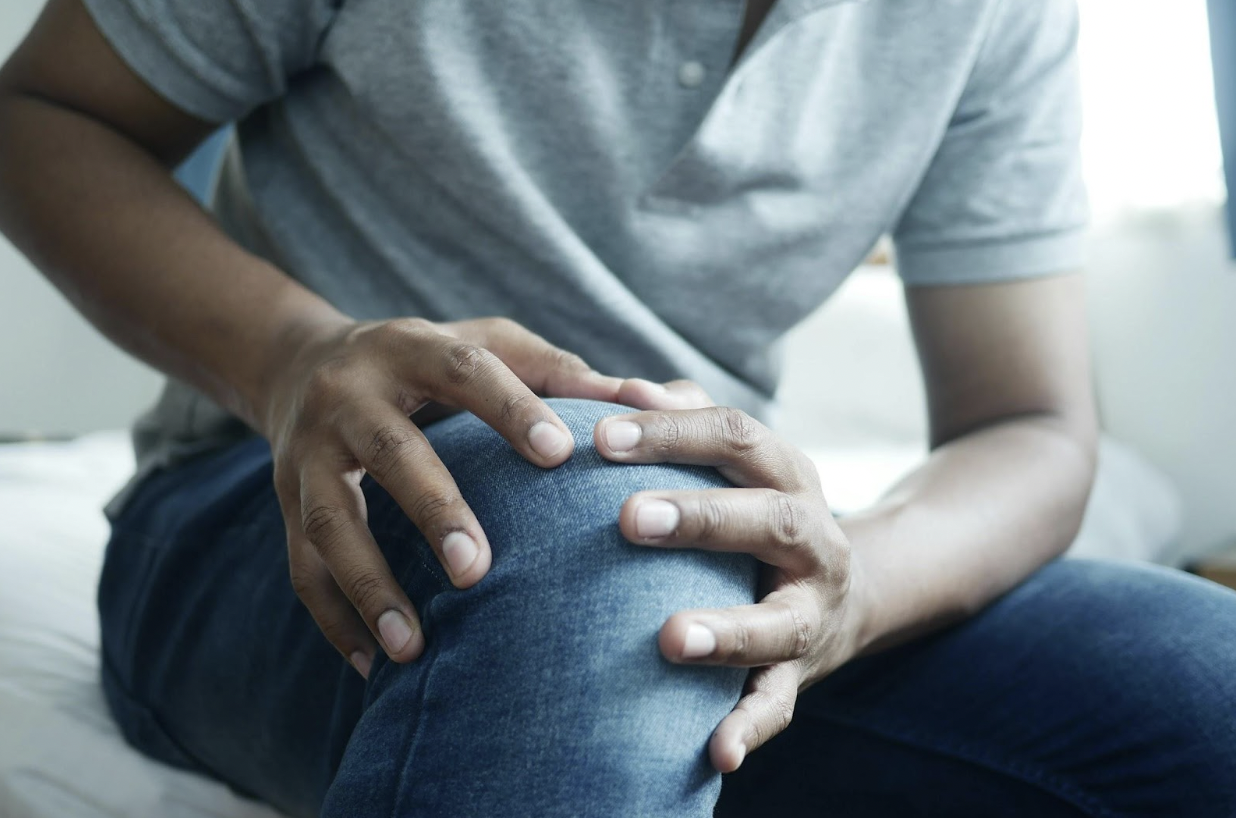
Many people focus on back pain or tired arms after a baby arrives. Your knees often take the brunt of the constant standing and lifting during the day.
The Weight Of New Responsibilities
Picking up a growing baby 24 times a day adds stress to your joints. You might find yourself squatting in ways your body is not used to performing. Epetitive movements can lead to tiny tears in the tissue.
Extra weight from carrying gear makes the pressure worse. You often hold an awkward load to navigate stairs or narrow doorways. Strain builds up and causes a dull ache that lingers into the evening hours.
Mindful movement helps protect your legs from sudden stings. Keep your feet flat when you bend down to reach into a crib. Form is a top daily health defense.
Understanding Hormonal Shifts And Joint Stability
Pregnancy hormones do not disappear the moment your baby is born. These chemicals keep your ligaments loose for quite some time to help with the recovery process. You might feel less stable on your feet than you did before the baby arrived.
Finding professional help for recurring pain is a smart move for busy parents. If you consult a knee surgeon in Sydney for a formal assessment, you can find the right path to recovery. Expert guidance helps you understand why your joints feel so unstable lately.
Your body needs time to tighten back up after the rigors of childbirth. Forcing heavy exercise too soon can lead to slips or painful tendon issues. Give yourself grace as you wait for your muscles to regain their former strength. It is better to move slowly than to rush into a painful injury.
Common Physical Triggers For Knee Pain
Lifting a child with a twisting motion is a top cause of ligament strain for parents. Your joints rotate under a heavy and moving load. This puts torque on the meniscus and tissues.
A popular health publication noted that 54.3% of women deal with joint problems after giving birth. The knees are often the spot where these issues show up during daily tasks. This statistic shows that recovery is a normal part of the process.
Try to avoid locking your knees when standing for long periods. Keeping a slight bend helps your leg muscles absorb weight. This small change takes pressure off the patella and reduces stiffness.
Protective Movements For Daily Care
Bathing a baby involves a lot of kneeling on hard floors. This pressure can irritate the small sacs of fluid that cushion your kneecap. You might notice redness or swelling after these chores.
Using a padded mat or a low stool makes a big difference for your comfort. It reduces the direct impact on your bones during bath time. These 2 tools prevent acute pain from turning into a lasting problem.
A fitness magazine suggested using low-impact cardio to build strength without hurting your joints. These gentle movements help the body heal and protect your legs from high-impact shocks. Swimming or walking are great ways to get moving.
Managing Inflammation And Long Term Health
Swelling makes it hard to keep up with a fast toddler. Your knees may feel stiff or warm after a day of play. This heat shows the joint is overworking, so rest with your legs raised.
Hormonal shifts after birth are linked to immune system changes. 1 study noted that some women are more likely to face inflammatory arthritis in this window. Finding these signs early helps your long-term mobility.
Drinking water and eating a balanced diet support your natural healing. Nutrition helps you stay active as your child grows. These simple habits now pay off for 20 years to come.
Simple Habits For Stronger Joints
You can improve your knee health with small changes to your daily lifestyle habits. Consistent effort leads to much better mobility and less pain. You do not need a lot of expensive equipment to see real results in your comfort zone.
- Wear supportive shoes with good arch support every day.
- Ice your knees for 10 minutes if they feel sore after a walk.
- Stretch your quads and calves every morning before you start your day.
- Stay hydrated to keep your joint fluid functioning at its best.
Focusing on these basics keeps your legs ready for the physical demands of parenthood. You do not need a lot of time to make these changes work for your schedule. Start with one or two habits and build from there for the best success.
Taking care of your knees allows you to enjoy every moment with your little one. Small pains should not stop you from staying active and happy with your family.
Listen to your body when it tells you to rest or seek professional help. Your health is just as important as the care you give to your children every day.