7 Steps To Take After A Birth Injury
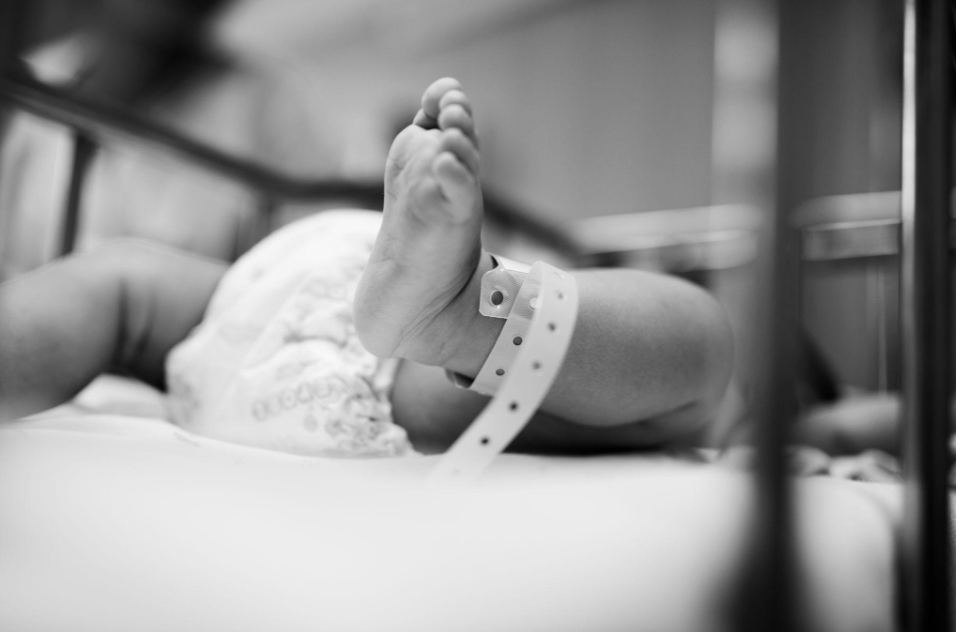
A birth injury can leave you dealing with medical questions, insurance paperwork, and concerns about whether the harm was preventable. In Miami, these cases usually fall under Florida medical negligence law, which has strict record, presuit, and filing rules, so the first days and weeks after the injury are often about preserving information as much as seeking treatment.
Get Immediate Medical Clarity
Start with a plain-language explanation of your baby’s diagnosis, treatment plan, and expected follow-up care. Ask the hospital team to name the injury, explain when providers first identified a problem, and clarify whether the concern involves oxygen deprivation, nerve damage, bleeding, fracture, infection, or another condition tied to labor, delivery, or the hours after birth.
Ask whether your child needs imaging, neurological testing, specialist evaluations, therapy referrals, or transfer to another facility, and note when each recommendation was made. Request the names of every doctor, nurse, hospital unit, and outside provider involved so you can match each person and facility to the records. In this situation, you may also seek advice from a Miami birth injury lawyer at Freidin Brown to better understand whether the issue may be connected to fetal monitoring, medication, delivery timing, resuscitation, or post-birth care.
Request Records Quickly
Ask for the mother’s labor and delivery records, fetal monitoring strips, medication documentation, imaging, discharge papers, and the newborn’s chart as soon as possible. Under the federal HIPAA access rule, covered entities generally must act on a request within 30 calendar days, with one written extension of up to 30 more days in limited situations.
Keep your request in writing and save proof that it was sent. The Florida Department of Health tells consumers to send a certified letter when seeking records from a doctor and to keep copies of everything, which can help if records arrive late or incomplete.
Build A Detailed Timeline
Write down what happened before delivery, during labor, at birth, and in the hours that followed. Include who spoke with you, when alarms sounded, whether a cesarean section was discussed, and when your child first showed signs of distress or injury.
Do this while the details are still fresh, and keep the notes factual rather than argumentative. A clean timeline can help you compare the records against your recollection and can also help a reviewer spot gaps, delays, or conflicting chart entries.
Track Bills And Daily Effects
Save every bill, receipt, explanation of benefits, and mileage log connected to the injury. Birth injury claims often turn on the cost of future care, so early records about therapy, equipment, medications, and missed work can become important later. Include invoices from specialists, pharmacies, and therapy providers to keep a clear picture of ongoing expenses.
Keep a short journal describing feeding problems, seizures, mobility issues, sleep disruption, or developmental concerns. That running record can show how the injury affects daily life in a way hospital paperwork usually does not.
Consider A Regulatory Complaint
A lawsuit and a professional complaint are different processes. If you believe a doctor, nurse, or facility violated professional rules, Florida provides complaint channels through the Department of Health and the Agency for Health Care Administration.
A complaint can trigger an investigation or licensing review, but it does not replace a civil claim for damages. You should treat it as a separate track and keep copies of whatever you submit, along with any response you receive from the agency.
Learn The Florida Claim Framework
In Florida, a birth injury case tied to negligent medical care is usually handled under the state’s medical negligence statutes. Before filing suit, a claimant must complete a reasonable investigation, obtain support for a good faith basis, and serve presuit notice that starts a screening period.
Some severe neurological birth injuries may also raise questions about the Florida Birth-Related Neurological Injury Compensation Plan, sometimes called NICA. That program covers certain qualifying injuries on a no-fault basis, and Florida law provides separate procedures and tolling rules when an NICA claim is filed.
Watch The Filing Deadlines
Florida’s medical malpractice limitations period is generally two years from the incident or from when the injury was discovered, or should have been discovered with due diligence. There is also a four-year statute of repose in most cases, with different rules for fraud, concealment, intentional misrepresentation, and actions brought on behalf of a minor on or before the child’s eighth birthday.
Those deadlines can interact with presuit notice, government defendant rules, and NICA tolling, so timing issues are rarely simple in an infant injury case. Waiting too long can bar a claim even when the medical issues are serious, which is why early record collection and date tracking matter.
Why Early Organization Matters
After a birth injury in Miami, your first steps should center on treatment, records, timelines, expenses, and deadlines. Florida law gives families a path to investigate what happened, and early, orderly documentation can also help show the lasting impact of birth injuries as your child’s needs develop over time.