Massage for Stress and Anxiety: How Your Body and Mind Find Their Way Back to Calm
Life moves fast. There is always another email, another deadline, another notification lighting up your phone. Most people do not even notice when stress stops being a temporary thing and just becomes their normal setting. But living in that state day after day does real damage. It shows up as headaches that will not quit, nights spent staring at the ceiling, digestion issues, and eventually bigger problems like heart trouble.
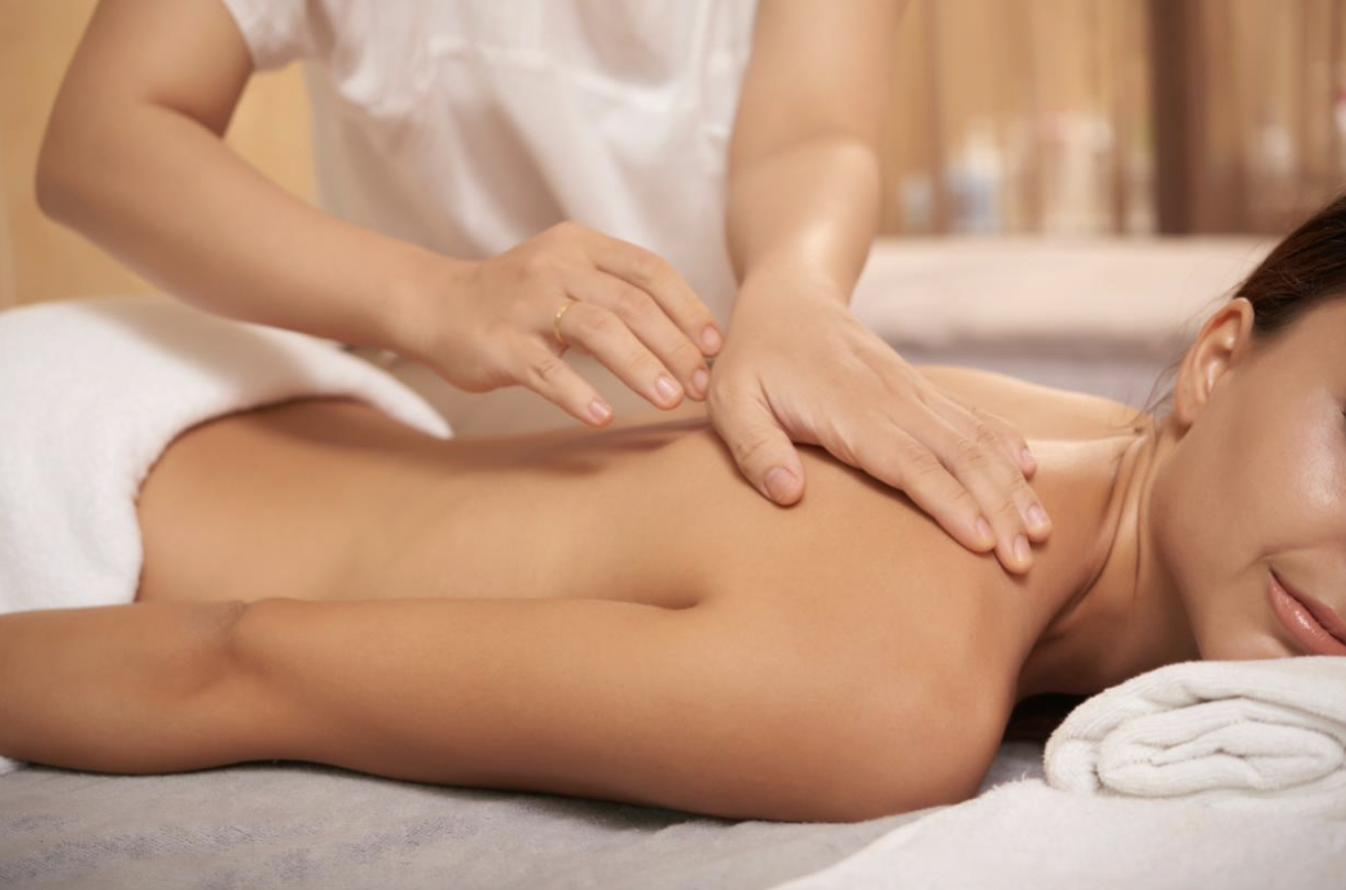
Massage for stress and anxiety is one of the kindest things you can do for yourself. It is not just about feeling good for an hour. It is about giving your nervous system permission to power down and remember what calm feels like. If you are in Dubai and looking for a place that truly understands this, Armonia SPA has built its whole approach around helping people step out of the chaos and back into their bodies.
What Stress Actually Does to Your Body
Stress is your body's built in alarm system. When danger shows up, your adrenal glands dump cortisol and adrenaline into your blood. Heart rate shoots up. Muscles tense. You are ready to fight or run.
The problem is that today, the "danger" never really goes away. It is a rude email at 10 PM. It is traffic on the way to work. Your body cannot tell the difference between a tiger and a tough deadline. So it just stays in high alert mode.
When stress sticks around too long, here is what happens:
- Your muscles stay tight, especially in the neck, shoulders, and back. That tension headache every afternoon? That is stress living in your body.
- Sleep gets weird. Either you cannot fall asleep, or you wake up at 3 AM with your brain already running.
- Your immune system gets lazy. You catch every cold that goes around.
- Your heart works too hard. Blood pressure stays elevated.
And then there is the emotional toll. Anxiety, irritability, feeling numb. That is real.
Why Anxiety Becomes Chronic
A lot of people think anxiety is all in your head. But it lives in your body too.
When you are stressed for weeks or months, your nervous system forgets how to power down. It stays stuck in fight or flight mode even when you are just sitting on the couch. Your heart might race for no reason. Your muscles stay braced for a fight that never comes.
Some things make this worse: not sleeping enough, eating garbage, being glued to your phone, not moving your body, working too much. When there is no boundary between work and rest, your brain never gets the signal that it is safe to relax.
How Massage Helps When You Are Wired Tight
Massage works on three levels at once. The physical, the nervous system, and the hormonal.
- On the physical side, massage finds all those spots where you have been holding tension without realizing it. The shoulders up by your ears. The jaw you clench while reading emails. Skilled hands can get in there and convince those muscles to let go.
- On the nervous system level, massage tells your body that it is safe. The pressure activates the parasympathetic nervous system. That is the rest and digest mode. Your heart rate slows. Your breathing deepens. Your blood pressure drops. It is like hitting reset.
- On the hormonal level, massage actually changes your chemistry. Studies show it lowers cortisol, that nasty stress hormone. At the same time, it boosts serotonin and dopamine. Those are the brain chemicals that make you feel good and calm.
Best Massage Styles for Stress and Anxiety
Swedish massage is the classic choice. Long, gliding strokes designed to relax the whole body and quiet the mind.
Aromatherapy massage adds essential oils. Lavender calms anxiety. Orange lifts mood. The right scent plus the right touch is powerful.
Hot stone massage uses warm stones to help muscles relax without deep pressure. The heat sinks in and tells the nervous system to power down.
The key is matching the massage to what you need. Talk to your therapist. A good one will tailor the session to your nervous system.
What the Science Says
The American Massage Therapy Association has looked at multiple studies. After a single session, cortisol drops significantly in most people. Serotonin and dopamine go up. Blood pressure comes down. Heart rate slows.
One study found that 30 minutes of massage three times a week for a month reduced anxiety scores by half in people with generalized anxiety disorder. Another showed that regular massage meant better sleep and fewer panic attacks.
Simple Habits That Keep You Steady
Massage is powerful, but it works best with daily habits. Pick one or two that feel doable.
- Move your body every day. A twenty minute walk outside does wonders for a frazzled nervous system.
- Breathe on purpose. Try this: breathe in for four counts, hold for seven, breathe out for eight. Do it three times. It forces your nervous system to calm down.
- Get off the phone. Set a time at night when the phone goes in another room.
- Eat things that help. Magnesium is a natural chill pill. It is in dark leafy greens, nuts, seeds, and dark chocolate.
- Protect your sleep. Go to bed at the same time. Make the room dark. Give yourself an hour without screens before bed.
Bringing It All Together
Massage for stress and anxiety is not pampering. It is maintenance. It is how you keep your nervous system from burning out.
Life is not going to slow down. The emails will keep coming. But you can build moments where your body and mind get to reset. Massage releases the tension you have been carrying without knowing it. It tells your brain that you are safe. It changes your chemistry so you feel lighter.
You do not have to live on high alert forever. Your body knows how to relax. Sometimes it just needs a little help remembering.