Rib Pain During Pregnancy: Causes, Relief Tips, and When to Worry
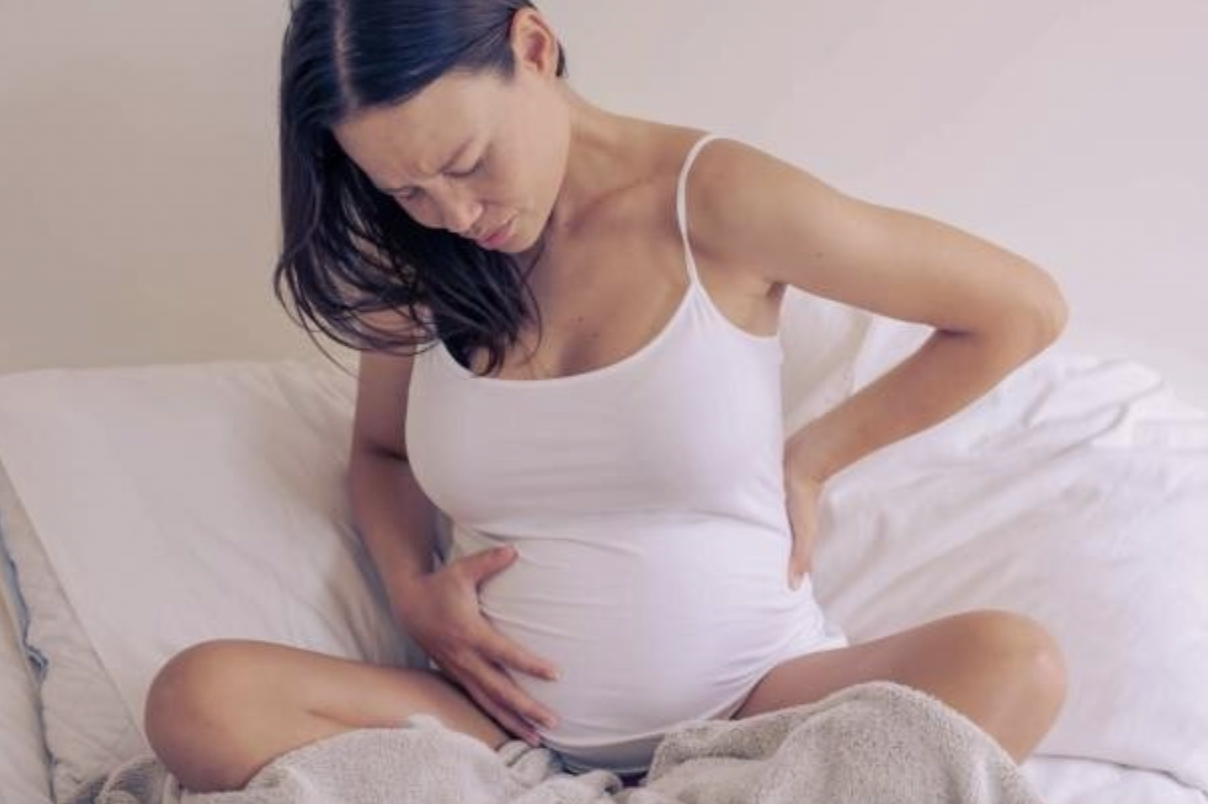
Rib pain during pregnancy is an ordinary symptom that the majority of pregnant women encounter, especially when the fetus becomes larger and occupies more space within the abdomen. This pain can be sharp, aching or pressure under the ribs, and it is more severe in the second and third trimesters. Although there is no reason to worry about the pain in the rib during pregnancy, one may not be able to sit, sleep, or even deep-breath without any problems. It is due to hormonal changes, swelling of the organs and the movements of your baby. Fortunately, you can alleviate the pain in the simplest, common-sense way and stay more comfortable as your body continues to develop.
What Causes Rib Pain During Pregnancy
It is not simply one thing that causes rib pain during pregnancy; it is normally a combination of physical changes that occur simultaneously. In most instances, early proper support can assist, such as the use of the Momcozy Ergonest Maternity Belly Band to ease some pressure that your upper body is experiencing as your belly swells.
As your uterus continues to expand in size, it will start pushing against your rib cage and diaphragm. Such pressure may cause soreness or tightness, particularly in the later months. Meanwhile, your body is releasing hormones such as relaxin that relax the ligaments and joints to be ready to give birth. This can be helpful, but it can also render the rib area less stable and hypersensitive.
The other popular reason is the development and movement of your baby. Kicks, stretches, and changes in positions may be directly against your ribs as they grow bigger and become more active. In other instances, babies usually place their feet below the rib cage, and this may cause continuous pain in the same region.
Common Symptoms of Rib Pain in Pregnancy
Rib pain may present in various ways, and it does not hurt everybody in the same manner. Some moms describe it as a dull ache, while others feel sharp, stabbing sensations.
Here are the most common symptoms:
- Pain or tenderness in one or both sides of the ribs.
- An upper abdominal pressure or fullness.
- Pain on sharp movements during the movement or kicking of the baby.
- Discomfort when sitting for long periods
- Pain exacerbated by lying in a particular position.
The pains are sometimes restricted to a single side- most of the time, the right side- depending on how your baby is positioned.
Is Rib Pain During Pregnancy Normal
Yes, rib pain during pregnancy is not something to be concerned about in the majority of cases.
The changes that are happening in your body are very fast, and your rib cage is literally being pushed and stretched to allow your growing baby to fit. That being said, normal does not mean that you should be happy about it.
Rarely, however, rib pain may be a symptom of a more severe disease, such as preeclampsia or gallbladder problems. These are rare but are worth knowing, especially in case of severe pain and with other symptoms.
How to Relieve Rib Pain During Pregnancy
While you may not be able to eliminate rib pain, there are plenty of ways to reduce the discomfort.
- Improve your posture
Bending forward may increase the pain in your ribs by compressing your upper body. Sit up, with shoulders loose, and try a supportive chair or cushion.
- Use gentle support
The maternity support band can be used to shift the weight and alleviate pressure on your ribs. Wearing one during the day is noticeably relieving to many moms.
- Stretch regularly
The easiest types of stretches, such as raising your arms over your head or bending slightly to the side, can help to open up your rib cage and relieve tension.
- Apply warmth
A warm compress (not hot) can be applied to help make the tight muscles around your ribs a bit looser.
- Adjust your movements
When your baby seems to be kicking in a certain position, you can change a bit of your position. Even the slightest change can inspire them to act.0
Best Sleeping Positions for Rib Pain in Pregnancy
Once the rib pain kicks in, sleep may become tricky; the right position may make a big difference.
Side-lying (especially the left side)
It is usually the position that is best recommended when pregnant. It enhances circulation and takes off the stress on your organs.
Use pillows for support.
Put a pillow under your belly and another one between your knees. Another trick to keeping your upper body straight and taking the load off the ribs is to hug a pillow.
Elevate your upper body slightly.
Place a pillow underneath your belly, and one under your knees. The other trick of maintaining the upper body straight and relieving the ribs is to hold a pillow.
Avoid sleeping on your back.
This posture may place an extra strain on your spinal column and internal organs, frequently increasing pain in your ribs.
When to See a Doctor for Rib Pain During Pregnancy
Although the majority of instances of rib pain are not dangerous, there are instances when you ought to contact your health care provider.
Seek medical advice if you experience:
- Pain in the ribs with no improvement that is severe or sudden.
- Suffering from headaches, swelling or vision changes.
- Shortness of breath or chest tightness.
- The pain on the right side under the ribs is constant.
These may be indications of illnesses that require immediate care. You can never be sure, but it is always good to be on the safe side, particularly when pregnant.
Conclusion
Rib pain during pregnancy is also painful, yet it is a normal process, and your body is making space to fit your unborn baby. There are numerous causes of this kind of pain, starting with hormonal changes, to the movements of your baby. The thing is to understand how to handle it in such a way that it will be beneficial and in the way of your lifestyle.
Making such simple changes as better posture, finding the correct sleeping position, and the use of supportive tools can help a lot in relieving pain. Even though most of the rib pain is completely natural, it is best to keep a watch on the unusual symptoms because that way you and your baby will remain safe and healthy.