The Science of Somnus: Optimizing Maternal Sleep Efficiency and Mitigating Pelvic Girdle Friction in Late Gestation
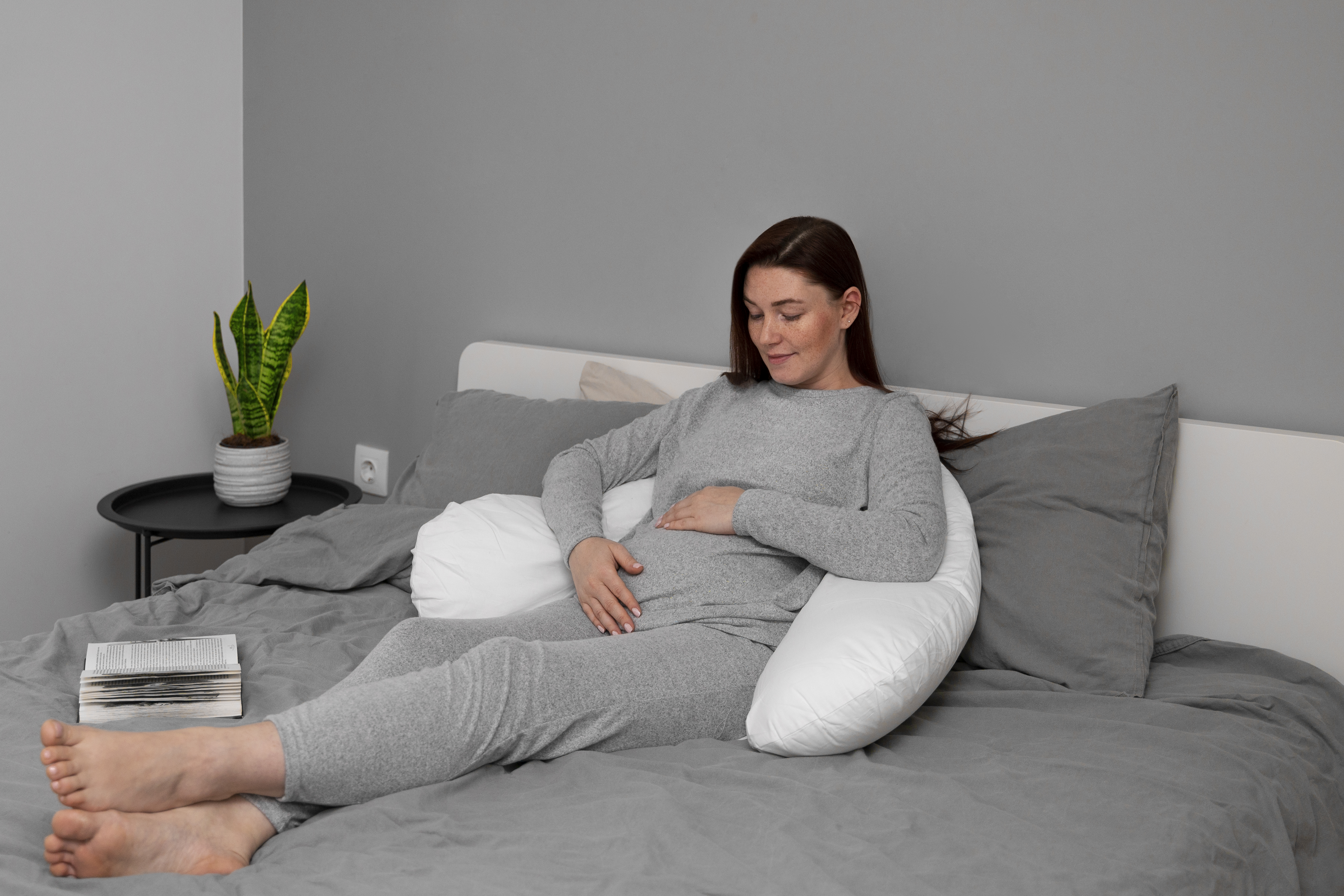
Entering the late second and third trimesters of pregnancy introduces a complex matrix of physiological shifts that directly threaten a mother's sleep architecture. As the fetus grows, the physical forces exerted on the human skeleton alter everything from the natural curvature of the spine to the dynamic stability of the pelvic ring. Finding a sustainable night posture shifts from a matter of basic comfort to a specialized biomechanical challenge, frequently resulting in fragmented sleep, persistent lower back strain, and deep hip discomfort. Successfully navigating these anatomical adjustments requires an understanding of prenatal ergonomics and the intentional implementation of targeted structural support. Utilizing a high-quality maternity pillow stands as a foundational corrective strategy, enabling expectant mothers to neutralize gravitational pull, preserve neutral skeletal alignment, and safeguard vital maternal and fetal circulation throughout the night.
The Biomechanical Matrix of Prenatal Sleep Disruptions
To effectively mitigate the structural aches associated with advanced gestation, it is necessary to analyze the specific mechanical changes occurring within the maternal frame. Pregnancy fundamentally alters static and dynamic posture, rendering traditional, unassisted bedding configurations entirely inadequate for proper joint stabilization.
Estrogen, Relaxin, and Pelvic Ring Instability
Throughout pregnancy, the endocrine system floods the body with hormones like relaxin and estrogen. Relaxin specifically acts on the collagen fibers of the ligaments, softening the connective tissues within the pelvic ring to facilitate the structural expansion required during childbirth. However, this ligamentous laxity is systemic rather than localized. As a result, the sacroiliac joints at the rear of the pelvis and the pubic symphysis joint at the front become highly unstable and susceptible to micro-misalignments. When an expectant mother remains in a static, unsupported position for hours during sleep, this joint instability manifests as deep, localized aches—a condition clinically classified as pregnancy pelvic girdle pain.
Exaggerated Lumbar Lordosis and Chronic Muscle Fatigue
As the uterus expands upward and outward, it shifts the maternal center of mass forward. To prevent losing balance while standing or walking, the body naturally compensates by increasing the inward curve of the lower back, a postural shift known as exaggerated lumbar lordosis. This continuous adjustment places a constant, low-grade workload on the paraspinal and lumbar muscles, keeping them in a state of chronic contraction throughout the day. When the mother lies down at night, these exhausted muscle groups require absolute structural decompression. Without precise physical contouring, they must remain engaged to keep the spine from twisting, leading to severe morning stiffness and agonizing muscle spasms.
The Physics of Side Sleeping: Protecting Circulation and Alignment
Obstetricians and ergonomic specialists universally recommend side sleeping, particularly on the left side, as pregnancy progresses. This guideline is rooted in critical maternal cardiovascular safety, but it introduces its own set of orthopedic challenges that must be systematically managed.
The Threat of Supine Hypotensive Syndrome
Lying flat on the back during the late second and third trimesters poses distinct physiological risks. In the supine position, the collective weight of the gravid uterus, amniotic fluid, and the fetus compresses the inferior vena cava—the primary vein running along the right side of the spine that returns blood from the lower half of the body to the heart. This compression reduces cardiac output, which can trigger maternal dizziness, shortness of breath, and a sudden drop in blood pressure. More critically, it restricts optimal blood, oxygen, and nutrient delivery to the placenta. Shifting to a lateral position completely eliminates this vascular compression, ensuring uncompromised maternal and fetal hemodynamics.
The Symmetrical Failure of Unsupported Lateral Postures
While side sleeping protects the cardiovascular system, it strains the skeletal system if executed without orthopedic intervention. When an individual lies on their side on a standard mattress, gravity naturally pulls the heavy upper leg downward until the knee collides with or rests upon the bed. This simple, unassisted drop sets off a negative structural chain reaction:
- Femur Adduction: The thigh bone adducts sharply inward across the body’s midline, pulling the hip joint out of its neutral socket and exerting lateral torque on the pelvis.
- Pelvic Torsion: The upper half of the pelvis rotates forward and downward, twisting the lower lumbar vertebrae.
- Nerve Compression: This rotational twisting pinches local nerve pathways, strains the deep gluteal muscles, and frequently irritates the sciatic nerve, causing sharp, radiating pain down the leg.
Step-by-Step Guide to Engineering a Neutral Prenatal Sleep Environment
Resolving the conflict between vascular safety and skeletal alignment requires a systematic, multi-point approach to physical propping. Expectant mothers can build an ergonomic sleep environment by following a precise positioning sequence designed to completely unload the joints.
- Establish Cervical and Thoracic Continuity: Begin by placing a firm head cushion that fills the precise gap between the mattress and the ear. The head should neither tilt upward toward the ceiling nor sink downward toward the shoulder, keeping the cervical vertebrae perfectly continuous with the mid-back.
- Neutralize the Pelvic Ring via Leg Elevation: Slide a dense, contoured cushioning barrier between the thighs, extending from just above the knees down to the ankles. The thickness of this barrier must match the distance between the hip sockets, keeping the upper leg completely parallel to the mattress. This single adjustment prevents femur adduction, completely unloading the sacroiliac joints.
- Counteract Abdominal Lateral Pull: Place a tapered, supportive wedge gently beneath the lateral slope of the expanding abdomen. This lift counteracts the downward gravitational pull on the uterus, taking immediate tension off the abdominal obliques and the round ligaments, preventing the sharp, tearing sensations often felt when shifting weight.
- Anchor the Posterior Torso: Position a firm, continuous bolster or support column flush against the entire length of the spine. Having a solid physical barrier to lean against prevents the body from unconsciously drifting backward into a semi-supine position, maintaining a strict perpendicular angle to the mattress without requiring constant muscular effort.
Symmetrical Full-Body Support Channels
For mothers who experience high levels of restlessness and frequently flip between their left and right sides during the night, utilizing a symmetrical, wraparound body support is highly efficient. This design provides identical, mirrored tracking channels on both sides of the sleeper. When the individual needs to change sides, they can simply pivot within the central core of the cushion without having to manually lift, drag, or reorganize loose pillows, preserving sleep continuity and reducing the micro-awakenings that fragment deep REM cycles.
Target-Specific Minimalist Geometry
Conversely, some women manage localized tension patterns or have restricted space within the bed. For these situations, modular, compact geometric wedges and flexible, bendable support joints are ideal. These smaller interventions focus entirely on high-stress zones—such as dropping a tight, resilient wedge directly beneath the lumbar curve or securing a targeted knee block—without covering the entire mattress surface or trapping excess body heat.
Mitigating Secondary Gestational Disruptions
Optimizing physical alignment does more than relieve primary joint friction; it provides immediate relief for several secondary, systemic symptoms that routinely compromise maternal sleep health.
- Suppressing Nocturnal Gastroesophageal Reflux: The hormonal surge of pregnancy relaxes the lower esophageal sphincter, while the upward expansion of the uterus increases intra-abdominal pressure on the stomach. Propping the upper torso, neck, and head up at a gradual, continuous incline leverages gravity to mechanically keep stomach acids contained within the gastric cavity, preventing painful esophageal burning.
- Reducing Peripheral Edema and Leg Cramping: Mild swelling in the ankles, feet, and lower calves is common due to increased blood volume and gravity-induced fluid retention. By utilizing the lower contours of an extended body support to position the lower extremities slightly above the level of the heart during rest, you actively promote venous return and fluid drainage, significantly reducing morning swelling and painful nocturnal muscle spasms.
- Neurological Stabilization: Chronic discomfort prevents the brain from entering deep, slow-wave sleep cycles. By eliminating physical pressure points and the constant need to adjust body positions, the nervous system can transition smoothly into the deep stages of sleep essential for cellular repair and immune function.
Conclusion
Securing deep, undisturbed sleep during advanced pregnancy is a critical pillar of maternal wellness, immune function, and prenatal development. By understanding the mechanical forces introduced by joint laxity and a shifting center of mass, expectant mothers can transition away from passive discomfort and take active control of their nighttime ergonomics. Implementing precise, multi-point structural support ensures that the spine, pelvis, and lower limbs remain in perfect, harmonious alignment throughout the night. These deliberate, medically sound positioning adjustments preserve essential systemic circulation, eliminate debilitating pressure points, and establish the ideal physiological foundation for a comfortable, strong, and energized journey into parenthood.