Smart Ways to Prevent Accidents in Your Yard
A safe yard does not have to feel strict or boring. With a few smart upgrades and steady habits, you can cut risks without losing the fun parts of outdoor life. Use these ideas to protect family, friends, and neighbors all year.
Clear Walkways and Trip-proof Surfaces
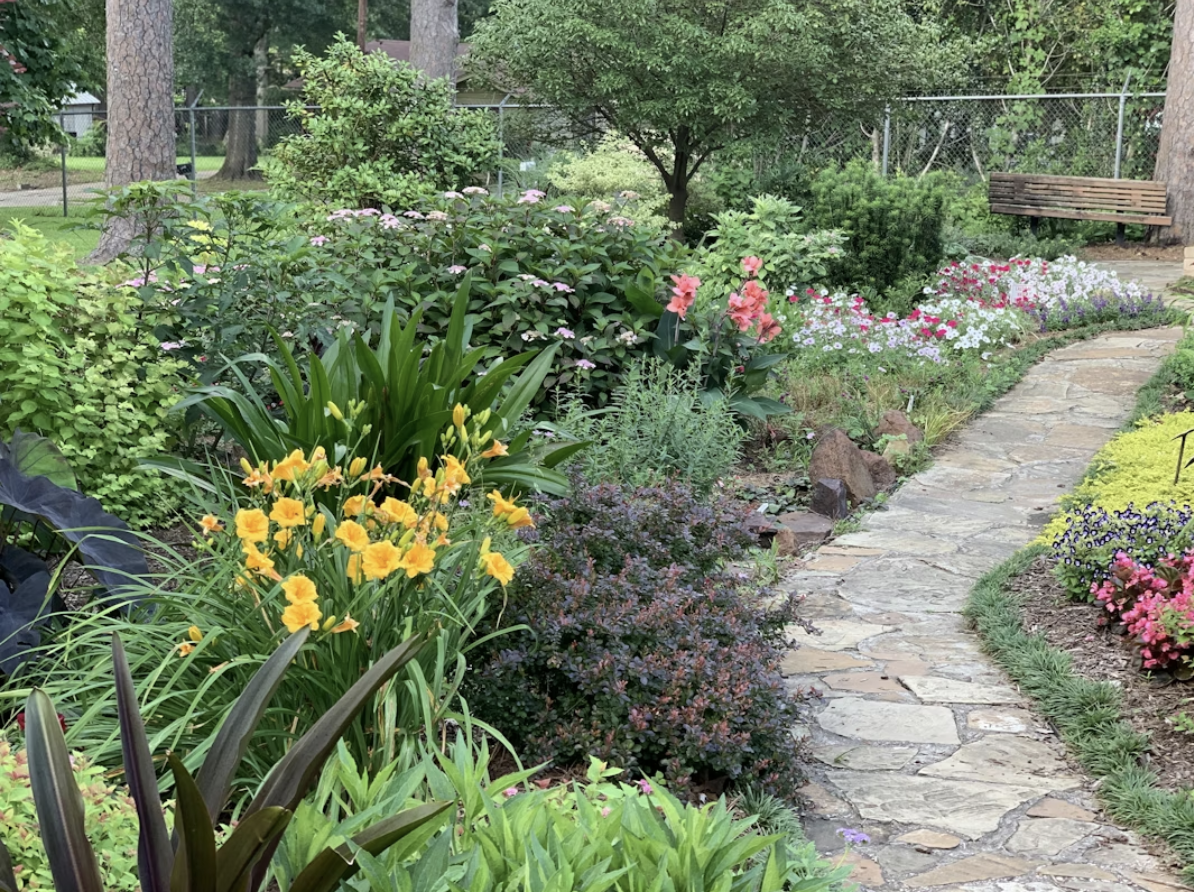
Start with what people step on every day. Level uneven pavers, secure loose stones, and fill holes that can twist an ankle. If you have gravel paths, add solid edging so rocks do not spread where feet need firm traction.
Keep walkways free of hoses, toys, and yard tools. A simple habit of coiling and hanging gear saves time and prevents stumbles. Add textured mats at entrances where mud and water collect.
Safer Decks, Steps, and Rails
Strong rails and solid stairs do a lot of quiet safety work. Decks.com explains that the International Residential Code calls for guardrails at least 36 inches high, measured from the deck surface to the top of the rail. That height helps keep both kids and adults from tipping over the edge.
Check for wobble at posts and handrails, then tighten hardware. Replace rotted treads and cracked boards, so shoes get a full grip. If steps are narrow, add a deeper tread or a second handrail for confidence going up and down.
Plan Projects with Pros
DIY can be great for small fixes, but complex outdoor builds benefit from experienced hands. Many locations have unique soil, wind, and snow loads - details that change how a structure should be anchored and braced. Work with local deck builders to select the right hardware and layout for your site, then schedule periodic inspections to catch wear early. Ask about slip-resistant surfaces for stairs and landing zones. A modest upgrade in texture can make rainy days much safer. Also, map out clear headroom so tall guests do not walk into beams, lanterns, or low branches.
Grilling and Heat Hazards
Heat is a top cause of yard emergencies, especially when celebrations run long. ANSI highlighted NFPA data showing that U.S. fire departments handled an annual average of 11,421 home fires involving grills from 2017 to 2021, which is a strong reminder to site cook zones with care. Place grills and fire features on level, noncombustible surfaces, and keep them a safe distance from siding and rails.
Give the cook a 3-foot no-go circle so kids and pets do not bump hot metal. Keep a spray bottle for flare-ups and a small fire extinguisher within reach. Fully cool ashes in a metal can with a lid before moving or tossing them.
A Quick Yard Safety Checklist
Use this once a month or after big storms to spot issues fast.
- Walk every path and step to check for wobbles, cracks, and slick spots.
- Tighten deck rail bolts and confirm posts do not move under firm pressure.
- Trim shrubs and low limbs that block sightlines at corners and stairs.
- Test motion lights and replace bulbs so entries stay bright at night.
- Move grills away from walls, overhangs, and railings before each use.
- Store fuel, solvents, and fertilizers in locked, ventilated sheds.
- Coil hoses and stow tools after chores so play areas stay clear.
- Confirm gates latch smoothly and self-close around pools or ponds.
Kids, Pets, and Tools
Young kids explore fast, so set clear zones. Use latching gates around water and steep drops. Keep play areas on soft surfaces and away from driveways or reversing cars.
For pets, add barriers where digging near posts or steps could weaken supports. Secure loose boards that can snag paws. Store string trimmers, mowers, and sharp tools out of reach, and pull spark plugs before working under mower decks.
Lighting, Visibility, and Signals
Good lighting makes evening hangouts safer. Aim for even light from house to yard, with extra brightness on stairs and gate latches. Motion sensors cut energy use while still giving a quick wash of light when someone walks by.
Mark grade changes with paint or low-profile edging, so feet know what is coming. Add reflective strips to the bottom rail of steps or raised beds. When hosting, set simple rules at the start so guests know where hot items, tools, and kid zones are.
Materials that Help You Out
Choose surfaces that work with you, not against you. Composite deck boards with textured finishes can hold traction when wet. Rubber pavers near play zones cushion falls and drain quickly.
Hardware matters too. Use corrosion-resistant screws and brackets suited to your climate so rails stay tight longer. On lawns, swap brittle plastic stakes for flexible markers that bend if someone steps on them.
Outdoor spaces should feel easy, not risky. With clear paths, sturdy rails, smart lighting, and steady upkeep, your yard can handle busy weekends and quiet evenings alike. Start with one or two changes this week and build from there.