The Most Common Cat Breeds to Keep as Pets
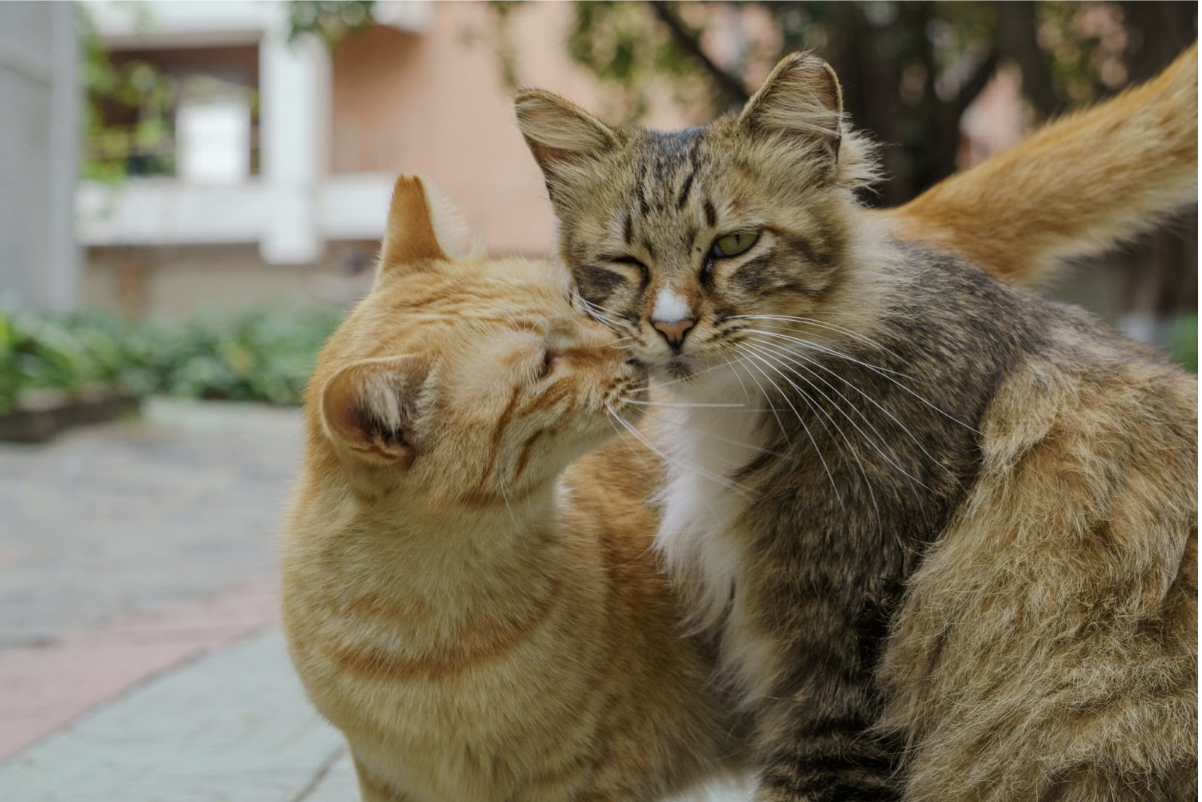
Choosing a pet cat often feels like choosing a companion for life. Their looks, personality, care needs — these shape whether the match will feel natural or forced. In this article we dig beyond fluffy photos and surface-level “cute or not” guides. We explore which breeds often end up in homes, why they succeed as pets, and how their temperaments, history, and physical traits influence everyday life — not just from the lens of owners, but also from patterns long observed by cat breeders and shelter workers alike.
Why Some Breeds Dominate — Mixed Origins and Real‑World Suitability
Before diving into specific breeds, it helps to understand a pattern: many of the most common cats are not rare pedigree “show cats,” but mixed or broadly defined cats — sometimes labelled simply “domestic.”
- For example, the Domestic Shorthair (the general class of short‑haired cats with mixed ancestry) remains among the most common “breeds” in everyday homes.
- Similarly, Domestic Longhair cats — long‑haired mixed‑heritage cats — feature on many common‑cat‑lists. They often go uncelebrated in fancy registries, but their adaptability, health robustness (versus some highly bred pedigrees), and moderate care needs make them frequent in shelters and common households.
These “non‑pedigreed” cats illustrate a practical truth: in many parts of the world, a cat’s long‑term well‑being depends less on flashy pedigree and more on robustness, adaptability, and the willingness of an owner to care.
That said, a range of pedigreed breeds also rise consistently in popularity, thanks to their temperament, looks, and compatibility with human households. Below are some of the most common — and for good reason.
The Most Common Cat Breeds
Maine Coon — the gentle giant
- Large size, tufted ears, and a bushy tail give the Maine Coon a majestic yet homey presence.
- Soft temperament and sociable character make them well suited for households with children or other pets. Many owners compare them to “dog‑like” cats — affectionate, playful, and loyal.
- Because of their size and energy, they thrive in spacious homes, or households willing to provide climbing structures, interactive play, and room to roam.
What to consider: Their thick fur demands regular grooming. Their size means they need more space. For someone living in a small apartment with limited room, a Maine Coon might feel bulky or high‑maintenance.
Ragdoll — the calm cuddle companion
- Known for their plush coats, striking eyes, and relaxed temperament — many Ragdolls go limp when held, hence the name.
- Their calm, friendly demeanour makes them ideal for quieter households, for families with children, or for first‑time cat owners seeking a gentle, affectionate companion.
- Compared to more energetic breeds, Ragdolls often adapt well to indoor life and lower activity environments — especially if owners provide soft bedding and occasional interactive play rather than high‑intensity exercise.
What to consider: Their long fur requires regular brushing to prevent matting. Indoor living suits them best, because their docile nature means they may struggle with outdoor risks (other animals, traffic, etc.).
American Shorthair & the general “domestic short‑hair / long‑hair” cats — the reliable all‑rounders
- American Shorthair cats combine a measured temperament with manageable size and short fur, making them easy to accommodate in most living situations.
- Domestic Shorthair or Domestic Longhair cats — essentially mixed‑heritage cats — are often the most ubiquitous cats in homes worldwide, due to their genetic diversity, resilience, and moderate care requirements.
- These cats often adapt well to varied climates and living styles. Short‑haired ones suit warmer, more humid environments; longer‑haired ones do better where grooming and climate control are managed.
What to consider: Because “domestic cat” is a broad, non‑pedigreed category, their behaviour and health can vary widely. Prospective owners should be ready to observe temperament, provide vet care, and invest in basic grooming.
Siamese, Bengal and Other High‑Energy, Social Breeds — for those who want engagement and personality
Siamese
Vocal, social, and intelligent; Siamese cats often “talk” to their owners and seek interaction. Ideal for households where people value chatter, companionship, and active engagement.
Their sleek bodies and short fur make them easier to maintain grooming‑wise, and suitable for warmer climates.
Bengal
- Bengals blend wild‑cat appearance (rosettes, sleek coat) with domestic temperament — energetic, playful, curious. For owners who want a cat with athleticism, personality, and “something extra.”
- Their energy demands mean they thrive when given interactive toys, vertical climbing spaces, and mental stimulation.
What to consider for energetic breeds: These cats do not suit sedentary households. Without enough play or mental challenge, they may become bored, destructive, or anxious. For urban or small-space living, ensuring enough activity and safe indoor environment is vital.
Beyond Popularity
Climate and lifestyle compatibility
In tropical or humid climates — like where you are — coat type matters. Short‑haired cats (Siamese, American Shorthair, Domestic Shorthair) often adapt better. Long‑haired or very fluffy breeds (like Ragdoll or Maine Coon) may find heat and humidity uncomfortable unless grooming and environment are managed.
Energy & personality matching
Some guides emphasize breed appearance; real‑world caretakers learn it’s far more important to match cat personality to household dynamics. A quiet retiree may cherish a mellow lap‑cat; a lively family with kids may thrive with a social, energetic cat.
Health & long‑term care
Pedigree breeds often carry higher risks. Mixed‑heritage cats tend to have fewer inherited problems. A well‑kept Domestic Shorthair with no pedigree claims may offer robustness equal or superior to a pedigreed long‑haired cat — at lower maintenance and cost.
Adoption over “brand new”
Because many common cats are mixed or domestic, shelters remain a rich source. For families on a budget, or those prioritising resilience and temperament over pedigree — adopting a shelter cat (often a Domestic Shorthair or Longhair) can be more sensible, compassionate, and practical than seeking a breed‑specific kitten.
What to Ask Yourself Before Choosing — A Mini Owner‑Checklist
Before you commit, consider these questions (adapted from insights from cat trainers, shelter workers, and breeders):
- What is your living space like? (small apartment vs. house vs. house with garden)
- What’s your daily schedule? Do you spend hours away? Would a social, clingy cat get lonely?
- How much grooming can you commit to? (short‑hair vs long‑hair)
- Do you want a calm, mellow companion or an active, playful one?
- Are there children or other pets? Which cats tend to be more patient and tolerant?
- Are you open to adoption (shelter/mixed‑breed) or specifically want a pedigreed cat? Are you ready for potential health/maintenance needs?
Final Thought — Popular Doesn’t Always Mean Perfect, But It Means Proven
The cat breeds and “types” discussed here have earned their place in many homes because they balance temperament, adaptability, and compatibility with human lifestyles. Some shine because of pedigree and grooming; others thrive because of their mixed‑heritage resilience and versatility.
If you care deeply — about your cat’s needs and your home’s demands — the most “common” cat may turn out to be the wisest choice. Because in real‑life pet‑keeping, stability, compatibility, and mutual respect matter more than pedigree prestige.