The Ultimate Gym Routine for Competitive Swimmers
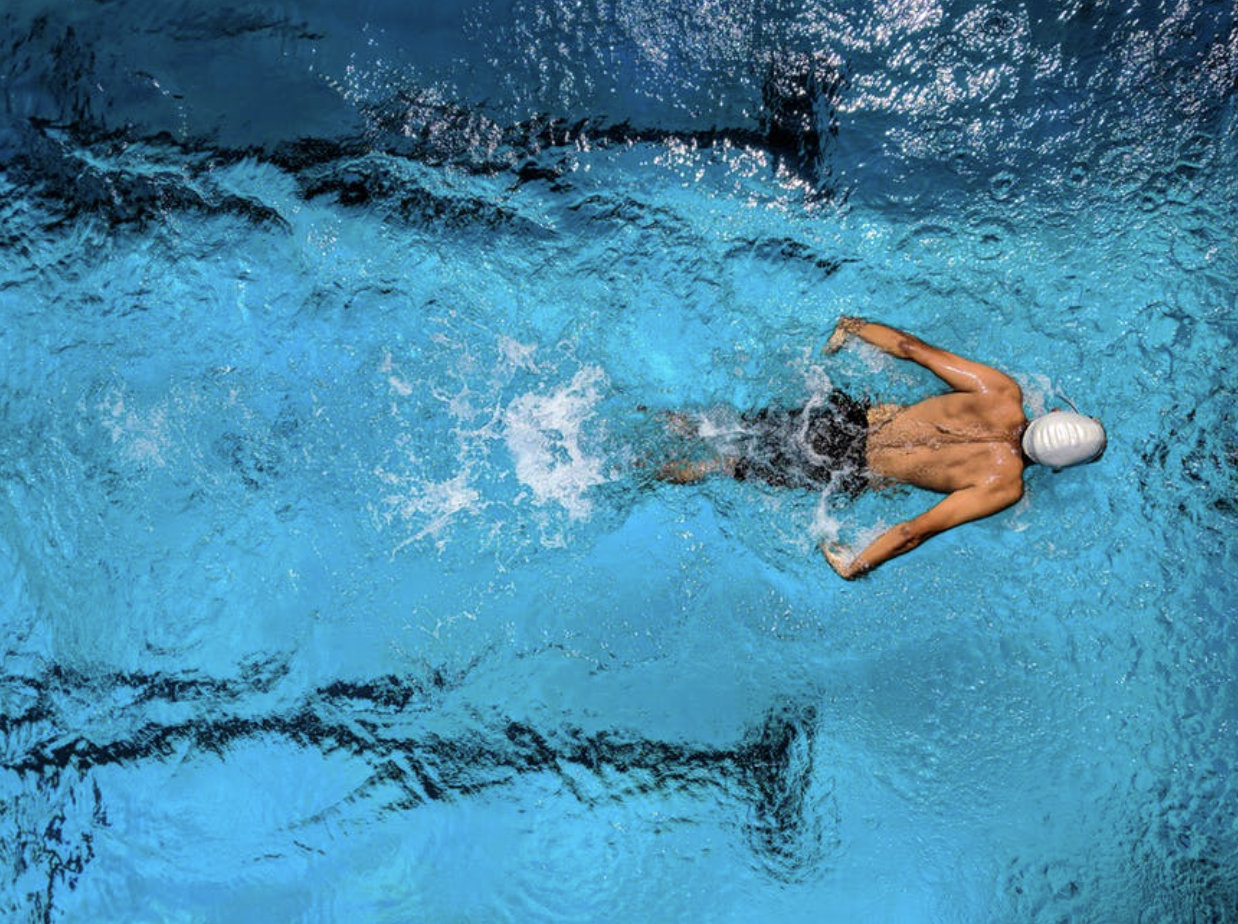
Swimming is a demanding sport that requires technique and endurance. For competitive swimmers, a well-structured gym routine can boost performance in the pool by improving power, flexibility, and resistance to injury. A strong gym program tailored for swimmers assists in developing muscle groups that improve propulsion and strokes. With the right exercises, swimmers can translate gym gains directly into improved swimming mechanics, acceleration, and speed. Here, we will outline a comprehensive gym routine that focuses on improving strength and conditioning for competitive swimmers.
The Importance of Strength Training
Strength training improves muscle power, supports better stroke techniques, and increases efficiency in the water. There are targeted gym workouts for swimmers to maximize these advantages. Strong legs contribute to better starts and turns, whereas upper body strength can boost pull and recovery phases in strokes. Building strength in the shoulders and back minimizes the risk of injury, allowing swimmers to train consistently.
Integrating strength training into a swimmer's routine leads to a more resilient and injury-resistant athlete. Beyond the physical benefits, strength training boosts confidence, knowing when your body is at peak performance can positively affect your mental state during races.
Building a Balanced Gym Training Plan
To develop a balanced gym training plan, a swimmer must include exercises targeting all major muscle groups. This means encompassing upper body workouts, attention to core, and lower body strength. A well-rounded routine might have swimmers rotating between push and pull exercises along with core stabilization routines.
Include compound movements that engage multiple muscle groups simultaneously, including squats, deadlifts, bench presses, and pull-ups. These exercises promote functional strength and mimic the full-body engagement required in swimming strokes. Integrating flexibility and mobility work within the training plan prevents injuries and provides a full joint range of motion for optimum stroke mechanics. Establishing a training schedule that includes a blend of strength, flexibility, and endurance so that swimmers can enjoy the long-term benefits of a comprehensive program.
Core Strength is The Foundation of a Swimmer's Power
Core strength provides the foundation for any athlete. A powerful core connects the upper and lower body to transmit force effectively through strokes. Core exercises should include planks, medicine ball throws, and rotational exercises, enabling swimmers to maintain stability and examine each stroke. In swimming, an engaged core maintains proper body alignment, reducing drag and improving speed.
Stronger core muscles help swimmers endure lengthy training sessions and manage fatigue during competitions. Incorporating exercises like hanging leg raises or stability ball workouts can improve core engagement. A strong core translates to better starts and turns so that swimmers perform efficiently throughout their races.
Improving Pull and Recovery for Upper Body Focus
Through strokes like freestyle and butterfly, swimmers should focus on the upper body. Focus gym workouts on improving muscular endurance and strength in the shoulders, back, and arms. Swimmers should prioritize exercises that build upon the specific movements they use in the water. Strength training for the upper body can include bench presses, shoulder presses, rows, and lat pull-downs.
Implementing resistance bands can improve shoulder strength and stability for reducing injury during intensive swimming schedules. Variations on these exercises encourage muscle adaptation for continuous improvement. Engaging the upper body in a controlled manner during training helps swimmers develop the high pull and late entry movements necessary for swimming success.
Powering Starts and Turns with Leg Workouts
Strong legs drive explosive starts off the block and provide the power needed for fast turns. Exercises like squats, lunges, and calf raises help build the necessary leg muscles to perform these movements effectively. Including plyometric exercises furthers the development of explosive leg power. Stretching and mobility drills for the hips and ankles achieve optimal performance during swimming.
A robust lower body contributes to balance in the water, making leg workouts just as critical as upper body exercises. Training the legs with an emphasis on endurance can improve swimming performance in longer races where kicks contribute to propulsion.
Flexibility and The Silent Strength of Swimmers
A flexible body can achieve a streamlined position, reducing resistance and allowing for more efficient strokes. Including stretching and yoga as part of a swimming gym routine promotes long-term mobility. Swimmers can benefit from dynamic stretches before workouts to warm up and static stretches afterward to cool down.
A well-structured flexibility regimen can boost the range of motion in the shoulders, hips, and ankles for effective stroke performance. Resistance stretching techniques allow swimmers to build strength. Swimmers can maintain a higher level of performance, reduce stiffness, and recover more effectively after intense workouts and competitions.
Maintaining a well-rounded gym routine tailored for competitive swimmers impacts performance in the pool. From establishing strength and flexibility to reinforcing proper nutrition and recovery practices, each facet is a must for athletic success.