When Your Dream Pet Turns Out to Be Illegal
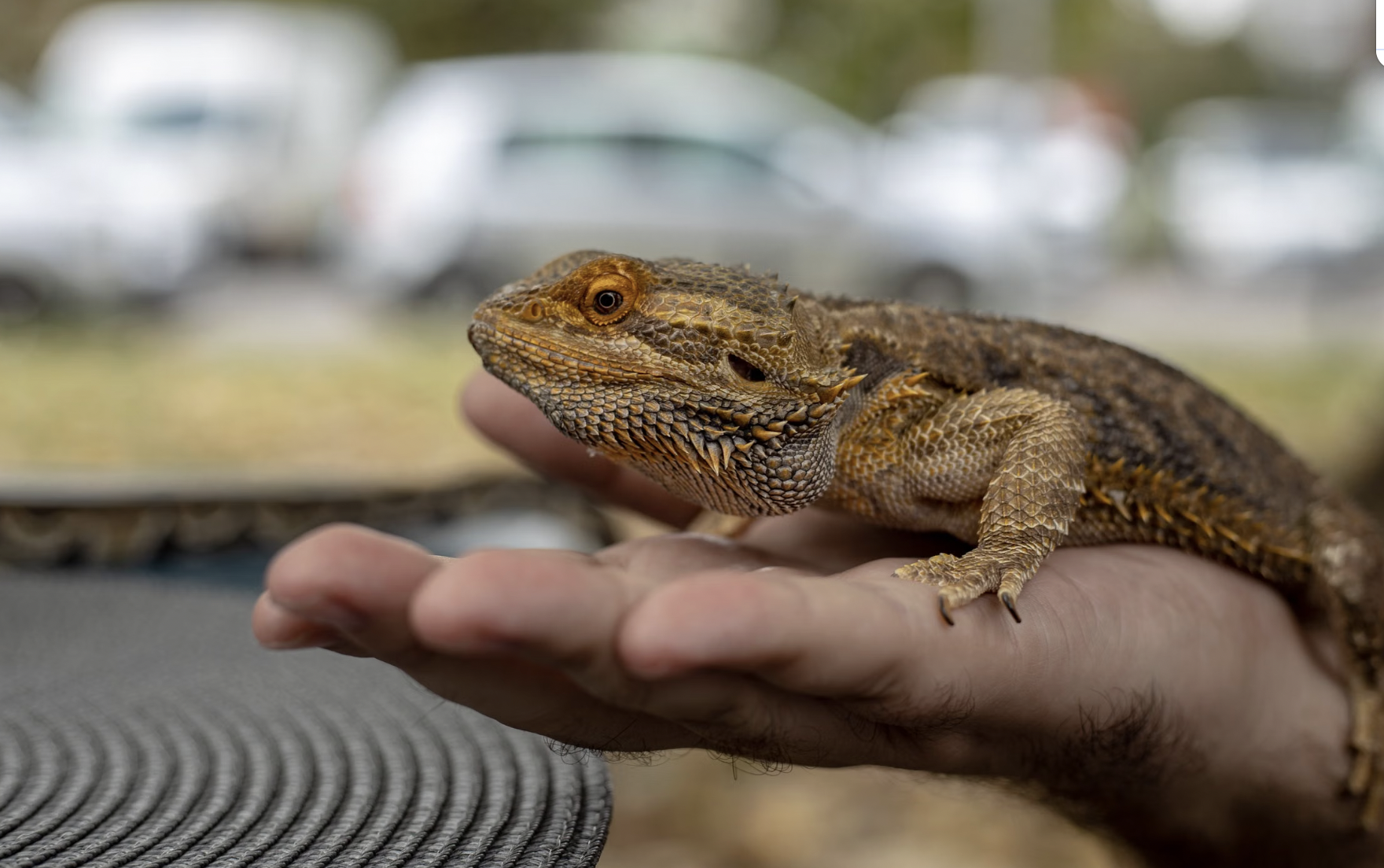
It's easy to see an unusual animal online and start imagining what it would be like to have one at home. Maybe it's incredibly cute, surprisingly intelligent, or simply different from the pets everyone else has. Finding someone willing to sell one can make the idea feel completely realistic.
But buying an animal and legally keeping that animal are two different questions. Exotic and wild species can be subject to rules that don't apply to dogs, cats, or other common pets. Something available from a breeder or seller in another state may come with restrictions once it reaches Texas.
That's where illegal pets in Texas can catch an excited owner by surprise. Before bringing home an unusual animal, it's worth checking the current state and local rules that apply to that particular species.
Some Animals Bring Bigger Concerns
Restrictions on unusual animals aren't just about keeping people from owning something interesting. Certain species can pose genuine safety concerns because of their size, strength, behavior, or ability to cause serious injuries. An animal that's manageable when young may become much harder to safely control as it matures.
Disease can be another concern. Some wild or exotic animals can carry illnesses that affect people, livestock, pets, or native wildlife. Regulators may also consider whether an animal could survive if it escaped and potentially disrupt local ecosystems or compete with native species.
Animal welfare matters too. A species may require specialized housing, temperature control, social conditions, or food that an ordinary household isn't equipped to provide. Wildlife regulations often try to balance several concerns at once, including public safety, conservation, disease prevention, and the animal's own needs.
Your City May Have Something Else to Say
Checking Texas law is a good start, but it may not answer every question. Local governments can have rules of their own, meaning an animal that's permitted under one set of regulations might still face restrictions in a particular county or city.
Those local rules can be surprisingly specific. Some places may restrict particular species, while others may require permits, special enclosures, registration, or minimum distances from neighboring properties. Zoning rules can also matter, especially for larger or potentially dangerous animals that aren't normally kept in residential neighborhoods.
That's why advice from someone living elsewhere in Texas isn't necessarily enough. Even information that was accurate a few years ago may have changed. Before getting an unusual pet, owners should check current state requirements along with the rules for the exact city and county where the animal will actually be kept.
Already Own One Don't Make Assumptions
Discovering a possible restriction after bringing an animal home can create an uncomfortable situation. The worst response is simply assuming everything must be legal because the animal was available for purchase. A seller's willingness to complete a sale doesn't necessarily establish that the buyer can legally possess the animal where they live.
The better move is to check the current requirements for that species and location. Depending on the animal and applicable rules, there may be permit, registration, enclosure, or other requirements that need attention. If ownership isn't permitted, the proper next step may depend on the specific law involved.
Trying to hide the animal or releasing it outdoors can create much bigger problems. An exotic animal may not survive safely in the local environment and could threaten other animals or people. Accurate information is far more useful than guessing about what the law allows.
Do the Homework Before Falling in Love
Legality is only one question to answer before bringing home an unusual animal. Start by checking whether state or local permits are required and whether the species can legally be kept at the intended address. Those answers are much easier to get before money changes hands.
Then comes the practical side. Exotic animals may need specialized veterinary care, and finding a veterinarian willing and qualified to treat the species isn't always easy. Housing, food, temperature, exercise, and enrichment requirements can also be far more demanding than buyers expect.
Lifespan deserves attention too. Some unusual pets can live for decades, turning an exciting purchase into a very long commitment. Between veterinary bills, specialized habitats, food, permits, and daily care, the true cost can look very different from the purchase price. Researching first protects both the owner and the animal.
Conclusion
An unusual animal can make an exciting pet idea, especially when videos and photographs make ownership look easy. What those images rarely show are the permits, local ordinances, specialized care, expensive veterinary needs, and long-term responsibilities that may come with bringing that species into a home.
The legal side deserves attention before the emotional side takes over. Texas rules may be only part of the answer, since cities and counties can impose additional requirements. Regulations can also change, making current information more useful than an old article, social media post, or seller's casual assurance.
A little research upfront can prevent a much harder decision later. Before paying a deposit or bringing an animal across state lines, check whether ownership is permitted and what responsible care actually requires. It's much easier to reconsider a pet beforehand than figure out what to do once it's already home.