Why Parents Value Easy Movement In Multi-Level Public Spaces
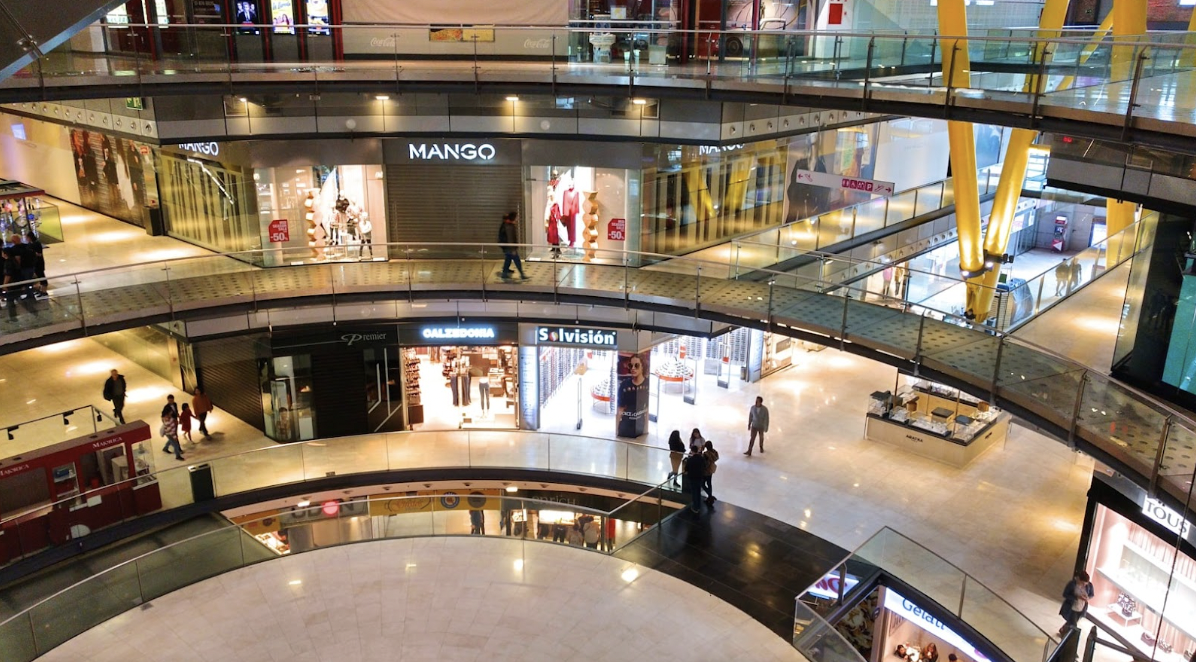
Parents move through cities with a clock always ticking. When a public space spans floors, each ramp, stair, and elevator can either smooth the day or stall it. Easy movement is not a luxury for families. It is the difference between catching a bus, making a class, and getting home before a toddler melts down.
Why Easy Movement Matters To Parents
Kids bring gear. Strollers, diaper bags, snacks, and sometimes a scooter or car seat all come along for the ride. In multi-level places, a missing elevator or a blocked ramp can turn a 2-minute transfer into 20. Parents value smooth routes because fewer slowdowns mean fewer chances for kids to get hungry, overtired, or upset.
Tight schedules also shape the day. School drop-offs, appointments, and nap windows leave little room for delays, so predictable movement lowers stress for everyone. When routes are clear and step-free, adults avoid risky lifts, older kids stay near, and the whole group keeps a steady pace.
Multi-Level Spaces Add Real-World Friction
A single broken lift can reroute hundreds of people, and families feel the pinch first. Detours often include stairs that are unsafe with strollers or heavy bags, and escalators are not a safe option for many parents. Long lines at the only working elevator add wait time and crowding, which can be hard for small children.
Layout choices matter too. Poor signs, narrow doors, and backtracking across mezzanines stack up minutes and fray patience. Bad weather can make outside detours even tougher. When movement is simple, parents can focus on safety and supervision instead of juggling steps, doors, and crowds.
Elevators As Everyday Infrastructure
For families, elevators are not a perk. They are how a stroller gets from street to platform, or from lobby to exhibit. Parents plan routes through stations and museums, and solutions such as commercial elevator services in Richmond keep multi-level sites usable for everyone by limiting breakdowns. When elevators work, lines move, tempers cool, and schedules hold.
A national safety plan updated in 2024 put new weight on systemwide risk reduction and performance targets, which include the everyday reliability families rely on. This kind of focus sends a simple signal: basic access is part of safety, not an afterthought. Parents notice when the basics work without drama.
Strollers, Bags, And The Flow Of A Day
Every extra transfer adds work. A parent may lift a 25 lb stroller while holding a child’s hand, all in a tight stairwell. Clear elevator paths and smart signs save time and reduce risky lifts. When the path is obvious, kids stay close, and the group moves as one.
Design Details That Make A Difference
Small choices guide a family’s pace and mood. Good lighting calms nerves. Wide doors welcome a double stroller without a shuffle. Landing space near elevator banks lets parents pause, adjust a carrier, or trade a bag without blocking others.
When The System Breaks, Families Feel It
Unexpected downtime forces quick decisions. Do you carry the stroller up 3 flights or backtrack to a far ramp? Parents will try, but the cost is real: missed transfers, spilled snacks, and frayed patience. Reliable movement turns long trips into simple hops between floors.
Key moments when movement matters:
- Catching a bus or train after a museum visit
- Getting from street level to a clinic on time
- Moving between a parking garage and a stadium seat
- Guiding a field trip group through a transfer hub
- Leaving a venue quickly when a child needs a break
What Cities And Venues Can Do
Families judge spaces by how they feel in motion. A 2025 city report on family-friendly public places found most respondents were happy with accessibility, yet it also showed room to make comfort and consistency more even across neighborhoods. That kind of feedback underscores a truth parents already know: one bad link can undo a whole chain.
Better uptime comes from simple habits. Keep elevator status visible at entries. Offer alternatives nearby, not blocks away. Train staff to spot and help a parent before they ask. When people know what to expect, they move with confidence, and kids mirror that calm.
A Parent’s Mental Map
Parents learn fast. They memorize which door lines up with the elevator, which level has the quiet bench, and which corner has a family restroom. When a space keeps patterns steady, those mental maps stay useful. The day becomes a string of small wins instead of near misses.
- Entrances that line up with elevator banks
- Elevators that fit double strollers without tight turns
- Quiet nooks or benches to reset and regroup
- Family restrooms and changing tables by level
- Short, no-stairs routes between key points
- Clear signs and easy landmarks to follow
- Staffed help desks or call buttons near lifts
- Backup paths in case of an outage or crowding
Easy movement is care in action. It respects the pace of a family and the limits of small legs. When multi-level places plan for the real load of strollers and gear, parents can enjoy the trip, kids can explore, and everyone gets where they need to go on time.