Why Quality Daycare Plays a Key Role in Early Childhood Development
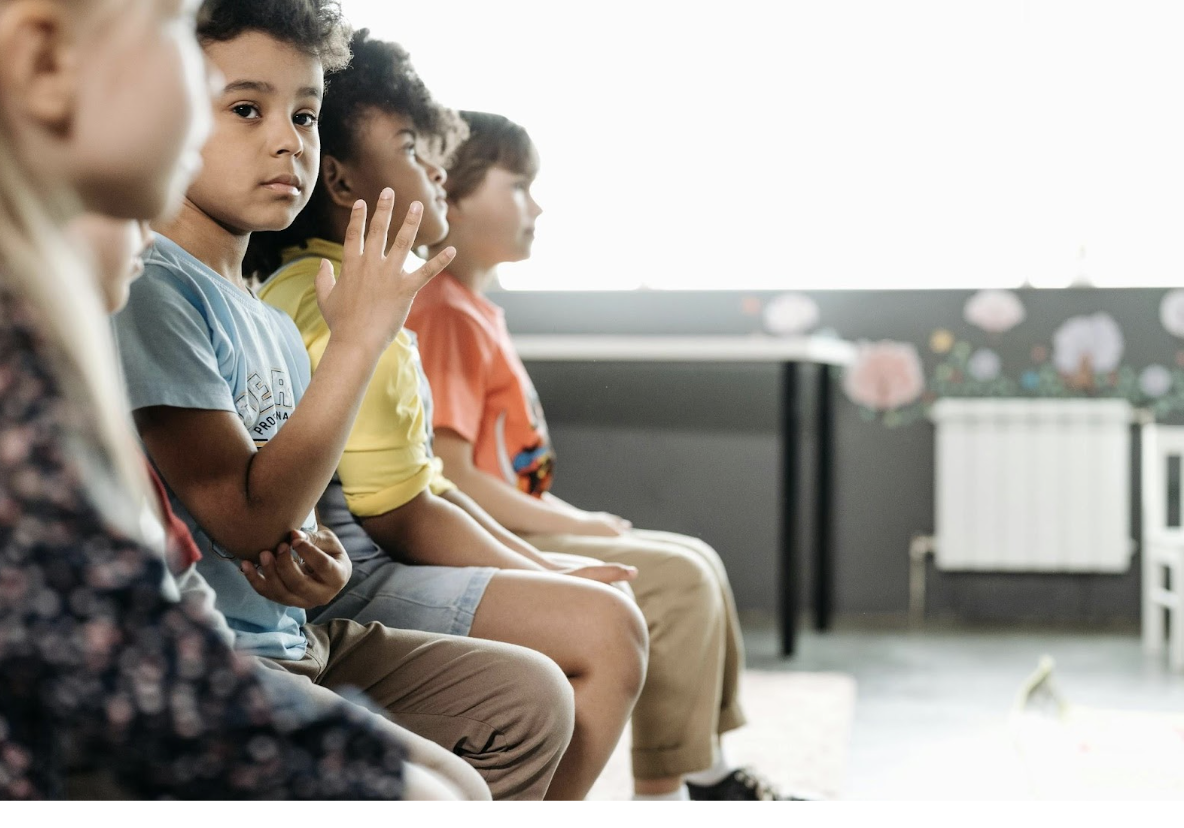
High-quality daycare is more than a safe stop while adults work. It is a daily space where language, self-control, and confidence grow through play and warm guidance. Small moments add up to big gains when they happen again and again.
The First Five Years Shape The Brain
In early childhood, the brain forms connections at a fast pace. Every back-and-forth interaction helps children link words, feelings, and actions. When these experiences are steady, kids arrive at school ready to focus and learn.
Daily routines act like gentle scaffolding. A steady rhythm for meals, rest, and play lowers stress. With stress down, children have more energy to explore, talk, and try hard things.
Care that centers relationships builds resilience. When a child is upset, a calm adult helps co-regulate and name feelings. Over time, children learn to do more of this on their own.
What Quality Daycare Looks Like
Quality shows up in details that families can see. Classrooms feel calm, materials are within reach, and teachers sit at child level to join play. The day includes time for open choice, small groups, and outdoor movement.
Furniture and materials match small bodies and big curiosity. You will see books in baskets, blocks near the floor, and cozy spots to rest. Art supplies and loose parts invite kids to plan and create.
Families can use local examples as a benchmark. In many communities, Marigold Academy and similar providers model how to combine play, language, and care in ways that feel both warm and purposeful, and teachers use simple routines to support independence. Ask how teams plan activities, observe learning, and share updates with families.
Relationships Power Everyday Learning
Secure relationships are the engine of growth. Children learn best when a familiar adult tunes in, waits, and responds. This trust opens the door to trying new ideas.
A brief from Harvard’s Center on the Developing Child explains that supportive, responsive interactions in early settings build skills children can use in new situations. That includes memory, attention, and problem-solving. When teachers practice serve-and-return talk, children’s brains get daily workouts.
These relationships make room for mistakes. A teacher who says I see you’re frustrated - let’s try together keeps learning on track. Children feel safe to risk, recover, and try again.
Ratios, Routines, And Calm
Children thrive when adults have time to notice and respond. Reasonable ratios let teachers get on the floor, narrate play, and model words. Predictable routines add a steady rhythm that lowers worry.
A global overview from UNESCO highlights that inclusive, quality early care sets the foundation for future learning and success. Systems that support consistent, attentive care help staff form positive relationships with children. Those relationships turn routines into learning moments.
Calm environments also support behavior. With clear expectations and gentle transitions, conflicts drop. Teachers can focus on coaching skills instead of crowd control.
Language, Play, And Self-Regulation
Play is the vehicle for learning. As children pretend, sort, and build, they practice planning, flexibility, and self-control. Teachers add rich words that stretch thinking without killing the joy.
Short, open prompts keep conversations flowing. What do you notice, what changed, and what could we try next to invite kids to explain and revise ideas? These moments build vocabulary and confidence.
Turn-taking games teach patience and focus. Waiting for a cue or a drumbeat to start helps children manage impulses. Over time, they carry these skills into reading, math, and group work.
Health, Safety, And Emotional Security
Healthy bodies support learning brains. Clean spaces, handwashing, and safe sleep routines reduce illness. When children feel well, they can stay curious and engaged.
Emotional security matters just as much. A consistent caregiver who greets a child by name signals you belong here. Belonging helps children take smart risks and recover when plans fail.
Safety also means predictable responses. When adults handle bites, falls, or tears with steady care, kids learn that help will come. This trust reduces fear and boosts independence.
What Families Can Look For
A quick tour can reveal a lot. Use this checklist during a visit:
- Warm greetings and unhurried transitions
- Frequent back-and-forth talk during play and meals
- Open-ended materials like blocks, books, and art supplies
- Time outdoors and chances to move
- Visual schedules that children can follow
- Teachers who document learning with photos or notes
- Calm spaces for rest and sensory breaks
Strong daycare programs do something both simple and profound - they turn daily routines into chances to connect and learn. With caring adults, thoughtful environments, and steady communication, young children build the skills they need to thrive in school and in life.