Why Roof Maintenance Plays a Role in Creating Healthier Family Homes
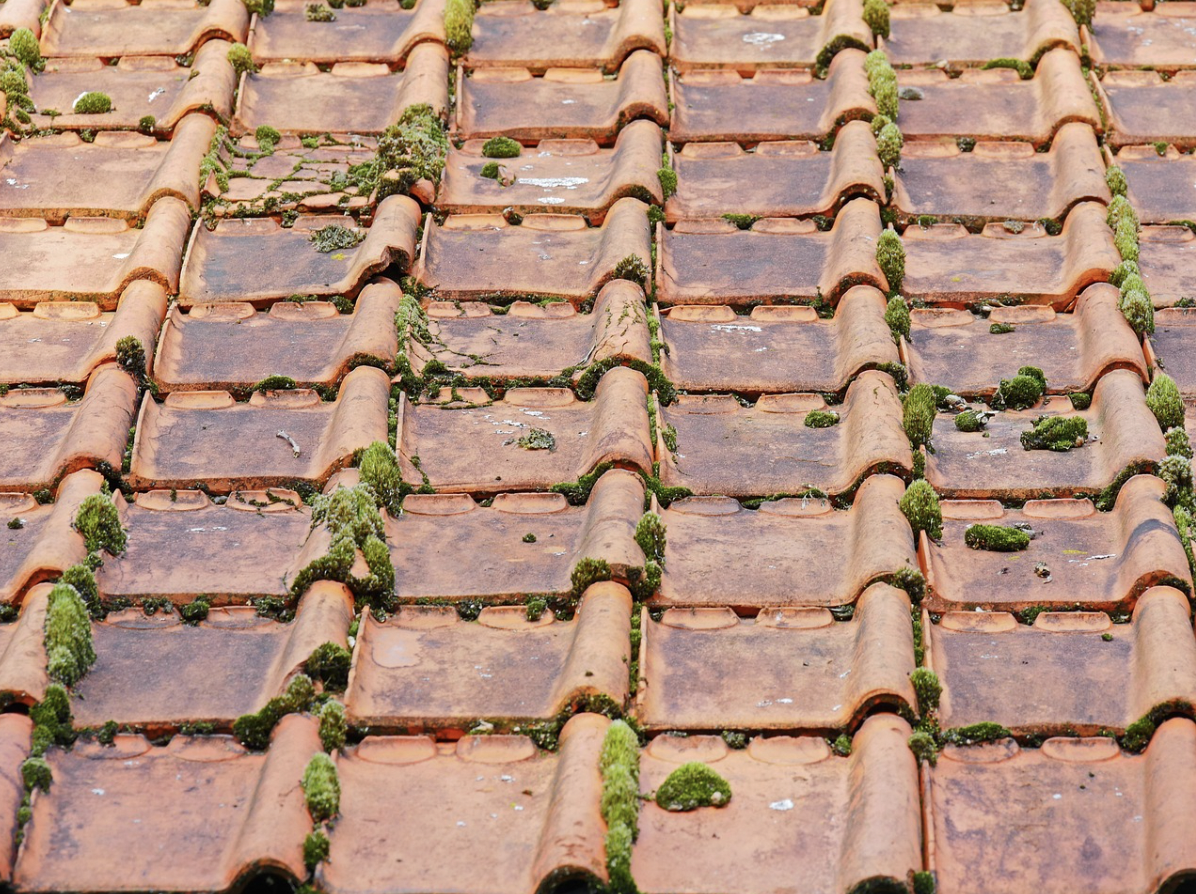
A healthy roof does more than keep rain out. It sets the stage for steady temperatures and cleaner indoor air. When the roof performs well, the rest of the home works easier and your family feels the difference.
Neglect invites slow, hidden trouble. Small leaks dampen insulation, warp wood, and trap humid air. That moisture feeds mold and odors that linger even after a deep clean.
Good habits build a safer home. Seasonal checks, quick patching, and clear gutters are simple steps with big returns. Treat the roof like essential health care for the house.
Moisture Control Starts At The Top
Water is patient and persistent. It finds lifted shingles, cracked flashing, and clogged valleys, then seeps into the structure. That dampness sits quietly and spreads.
Fixes are most effective when they are early and targeted. Bring a flashlight to the attic after a hard rain, and look for dark stains on the sheathing. Mid-season walkarounds help you catch loose fasteners and missing sealant before water gets in. If a problem looks bigger than a quick patch, an expert roofing team can test, trace, and repair without guesswork. Their inspection tools can reveal soft decking and slow leaks you cannot see. That clarity saves both time and materials.
Routine Care Reduces Mold Risks
Basic upkeep lowers the chance that mold will get a foothold. Clear debris, reset slipped shingles, and reseal flashing before a storm cycle. Dry materials do not support growth, so prevention beats cleanup.
Timely repairs keep moisture from migrating into walls and ceilings. When infiltration is stopped fast, drying is easier and less invasive. That protects finishes, furniture, and air quality.
An environmental training resource explains that routine maintenance and prompt repairs reduce the likelihood of mold developing in a building. This simple practice helps keep indoor air cleaner and safer without costly interventions.
Ventilation And Airflow Keep Attics Dry
Attic airflow matters more than many homeowners realize. Balanced intake at the eaves and exhaust at the ridge carries humid air out. When vents are blocked, moisture condenses on cool surfaces.
Check for compressed insulation over soffit vents. Baffles help preserve airflow while keeping insulation in place. Make sure bath fans and dryer ducts terminate outdoors, not into the attic.
In humid seasons, quick visual checks help. If metal fasteners show light rust or sheathing looks blotchy, humidity is lingering. Solve the airflow issue before it feeds a larger problem.
Early Signs You Can Spot Indoors
You do not need a ladder to catch early roof trouble. Small clues inside can point to leaks above. Track patterns, and act when they repeat.
- Brownish ceiling spots or hairline cracks under bathrooms or near chimneys
- Peeling paint at the top of walls or around window frames
- A sweet or earthy odor in closets or along exterior walls
- Attic insulation that clumps, feels cool to the touch, or looks matted
- Rust on metal HVAC parts in the attic or light surface mold on rafters
When two or more signs appear together, move quickly. Dry the area, document what you see, and plan a repair before damage spreads.
Why Mold Demands Fast Action
Mold is a symptom of a moisture problem, not just a cleaning chore. Vigorous scrubbing can fade stains, but growth returns if dampness remains. Fix the water source and dry materials thoroughly.
Health protection depends on speed. Sensitive family members may react to spores and odors even at low levels. Drying within 24 to 48 hours is a smart goal after a leak.
Guidance from an occupational health institute underscores a key rule: visible mold means a water issue that must be addressed right away to protect health. Wiping surfaces without stopping the moisture simply invites the problem back.
When To Call Specialists
DIY checks are useful, but they have limits. If damage spans multiple areas or the attic shows recurring dampness, bring in pros. Complex roofs, storm-heavy regions, or safety risks like steep pitches and brittle materials raise the stakes.
Specialists can run moisture mapping, thermal imaging, and core sampling to verify hidden leaks. They can pull targeted shingles, inspect flashing and penetrations, and assess ventilation performance with airflow measurements. Their findings separate cosmetic issues from structural ones so repairs focus where they matter.
Ask for a full-roof assessment with photos and moisture readings. Request license, insurance, and warranty details, plus a written scope, timeline, and contingency plan for weather delays. A clear report helps you schedule repairs, align with insurance requirements, and budget for upgrades. It also gives you a baseline for future maintenance and a paper trail if problems return.
A few hours each season can spare you expensive repairs and a home that never smells quite right. Keep a short checklist, act on small changes fast, and your roof will keep doing its quiet, healthy work over your family.