How Cat Owners Manage Daily Waste
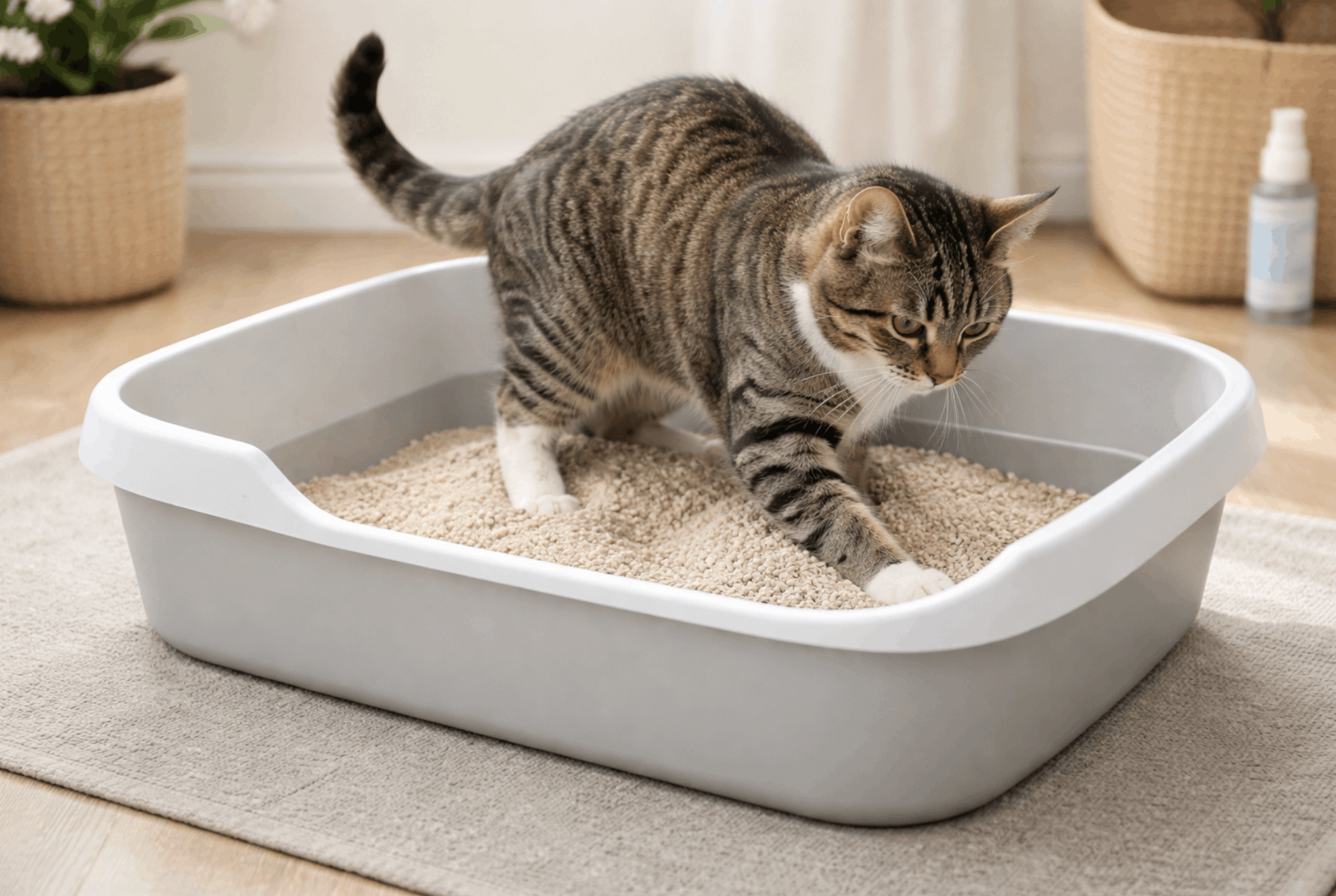
You can effectively manage your cat's daily waste by using biodegradable litter, scooping at least once daily, and disposing of waste in sealed bags. Managing cat litter waste is a significant part of pet ownership that affects both your home environment and the planet.
This article will help you handle cat waste more sustainably while maintaining a clean, odor-free home by covering:
Choosing The Right Cat Litter
Traditional Clay Litter vs. Biodegradable Options
Making an informed decision about cat litter affects both your home environment and the planet. Traditional clay litter has dominated the market for decades, offering excellent odor control and clumping abilities that many cat owners appreciate. However, this convenience comes with environmental drawbacks.
Clay litter requires strip mining, which disrupts natural habitats and landscapes. Once used, this non-biodegradable material sits in landfills for years without breaking down. The dust from clay products can also trigger respiratory issues in both cats and humans.
Biodegradable alternatives provide environmentally conscious solutions while maintaining functionality when combined with an effective cat litter disposal system, such as those offered by Litter Genie. These options decompose much faster than clay varieties, significantly reducing waste accumulation.
Understanding Compostable Materials
Compostable cat litters represent a subset of biodegradable options that can fully break down into nutrient-rich soil under proper conditions. The distinction lies in how quickly and completely the material returns to nature.
For a product to qualify as truly compostable, it must disintegrate into natural elements within a specific timeframe without leaving toxic residue. Materials like pine and corn meet these standards, while clay products cannot decompose properly regardless of conditions.
You can identify genuinely compostable products by looking for certification from organizations that verify these claims. Legitimate compostable litters will specify appropriate disposal methods on their packaging.
An important consideration: while the litter material itself may be compostable, cat waste contains pathogens that require special handling. Cat feces should never go into regular compost bins unless properly treated first. The litter material alone can be composted separately from the waste in many cases.
Safe Disposal Requirements
Disposing of cat litter responsibly requires attention to both environmental impact and health considerations. Local regulations vary significantly regarding proper disposal methods, so checking your municipal waste guidelines provides the best starting point.
Most conventional clay litters must go to landfills through regular trash collection. Double-bagging helps contain odors and prevents bag tears during transport. Biodegradable options follow similar disposal paths unless you have access to specialized composting.
For composting cat waste safely, temperatures must reach above 145°F to kill potential pathogens. This level of heat typically occurs only in professional composting facilities or carefully managed home systems designed specifically for animal waste. Regular backyard composting rarely achieves these temperatures consistently.
Flushing cat litter, even those labeled "flushable," creates risks for water treatment systems and marine life. Toxoplasma gondii, a parasite sometimes found in cat feces, can survive water treatment processes and harm aquatic ecosystems. Most municipalities strongly discourage this disposal method.
Daily Waste Management Strategies
Scooping And Disposal Best Practices
Keeping your cat's litter box clean requires consistent attention and proper disposal techniques. You can maintain a healthier environment by scooping waste at least once daily, preferably twice. This regular schedule prevents odor buildup and reduces bacterial growth.
For effective scooping, use a dedicated metal or sturdy plastic scoop with slots wide enough to let clean litter fall through but narrow enough to catch clumps. Hold the scoop at a slight angle to maximize separation of clean and soiled litter.
Many cat owners find success with the double-bag method for disposal. Line a small trash container with two bags: this provides extra protection against leaks and tears. After scooping, tie the inner bag tightly before securing the outer bag.
Your disposal container should have a tight-fitting lid to contain odors and prevent access by pets or wildlife. Placing it away from high-traffic areas but still convenient for daily use strikes the right balance between accessibility and discretion.
Using Compostable Bags And Bin Liners
Switching to compostable bags for cat litter disposal offers significant environmental benefits. These products break down more quickly than standard plastic bags, reducing the environmental impact of your pet care routine.
Look for bags certified as truly compostable rather than just biodegradable. True compostable products meet specific standards for complete breakdown without leaving harmful microplastics behind.
The thickness of your compostable bags matters significantly. Cat litter can be heavy and sharp, potentially puncturing thinner materials. Select bags with adequate strength ratings, typically 0.8 mil thickness or greater provides reliable performance.
Some compostable bags feature odor-blocking technology through natural additives like baking soda or activated charcoal. These additions help contain unpleasant smells without introducing harmful chemicals to the environment.
For maximum effectiveness, change bin liners regularly even if they're not completely full. This practice prevents odor buildup and reduces the risk of tears from accumulated weight. Most households benefit from changing liners every 2-3 days depending on the number of cats.
Reducing Odors And Bacteria Exposure
Minimizing odors and bacteria from cat litter requires a multi-faceted approach beyond basic scooping. Strategic placement of your litter box in well-ventilated areas allows air circulation that naturally reduces odor concentration.
Adding a thin layer of baking soda beneath fresh litter helps neutralize acidic compounds that cause strong smells. About one-quarter cup per standard box typically provides effective odor absorption without deterring cats from using the box.
Automated litter boxes can significantly reduce your exposure to bacteria during cleaning. These systems handle scooping mechanically, keeping waste contained until disposal time.
Manual sifting of litter directly exposes owners to various odors and bacteria, making protective measures essential. Disposable gloves provide a simple but effective barrier during necessary handling. Consider keeping a box near your litter area for convenient access.
Air purifiers with HEPA filters placed near litter boxes capture airborne particles and bacteria, improving overall air quality. Models with activated carbon filters specifically target odor molecules for more complete odor management.
Eco-Friendly Cat Care Tips
Keeping Indoor Cats For Reduced Environmental Impact
Your decision to keep cats indoors can make a significant positive impact on the environment. Indoor cats don't hunt local wildlife, which helps preserve bird populations and other small animals that play crucial roles in our ecosystems. Research shows that outdoor cats can catch hundreds of prey animals annually, creating an ecological imbalance in some areas.
Beyond environmental benefits, indoor living offers your feline companion numerous advantages. Your cat will face fewer risks from traffic accidents, predators, diseases, and parasites. Indoor cats typically live longer, healthier lives compared to their outdoor counterparts.
Creating an enriching indoor environment doesn't need to be complicated. You can provide climbing trees, window perches, and interactive toys to satisfy your cat's natural instincts. Regular play sessions will help maintain physical health and mental stimulation.
Many cat owners worry about depriving their pets of outdoor experiences. However, you can create safe compromises through supervised outdoor time in secure enclosures or using a harness and leash for walks.
Avoiding Disposable Scoops And Liners
Plastic litter box liners and disposable scoops contribute unnecessarily to landfill waste. These single-use items might seem convenient but come with a substantial environmental cost over time.
Switching to durable metal or hard plastic scoops represents a simple change with lasting impact. These tools can be washed and sanitized between uses, lasting for years rather than ending up in trash bins after minimal use.
For those concerned about litter box cleanliness without liners, regular maintenance proves more effective anyway. Liners often tear during scooping, defeating their purpose while creating additional waste. A better approach involves selecting a quality litter box that's easy to clean thoroughly.
Stainless steel scoops offer particular advantages: they resist odor absorption, clean easily, and practically last forever. The initial investment pays off quickly compared to repeatedly purchasing disposable alternatives.
Maintaining A Sanitary Litter Environment
Keeping your cat's litter area clean requires regular attention but doesn't demand harsh chemicals that harm the environment. Natural cleaning solutions work effectively while protecting your home's air quality and waterways.
A mixture of vinegar and water serves as an excellent disinfectant for litter boxes during deep cleaning sessions. Baking soda sprinkled at the bottom of the box before adding fresh litter helps control odors naturally.
Manual sifting exposes you to bacteria and unpleasant odors, making automated solutions worth considering. Self-cleaning litter boxes reduce direct contact with waste while ensuring consistent cleanliness for your cat. Though these systems require initial investment, they often use litter more efficiently.
Establishing a regular cleaning schedule prevents buildup of waste and bacteria. Most cats prefer extremely clean litter environments, so daily scooping benefits both your pet's health and your home's freshness.