5 Warning Signs Your Eye Twitching Needs Medical Attention
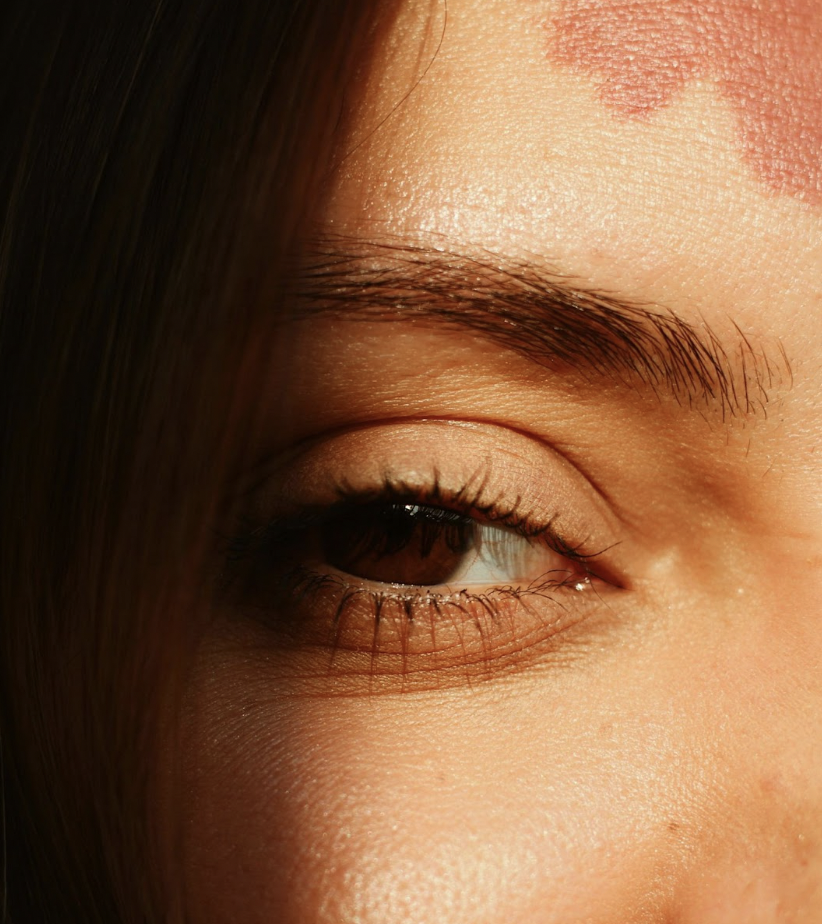
An eye twitch often feels minor, so many people ignore it. However, repeated twitching can signal more than stress or fatigue. It can point to issues that deserve attention rather than time alone.
This article explains how certain eye twitch patterns signal the need for medical care, so a person knows when to take action. It guides them through signs that suggest the problem may last, spread, or connect to nerve or muscle trouble, which helps them decide the next step with confidence.
1. Twitching lasting more than two weeks
An eye twitch that stays for over two weeks needs medical review. Most eye twitches fade within days. However, a longer course may point to eye surface problems, nerve irritation, or muscle control issues.
Doctors often note stress, poor sleep, caffeine, or eye strain as common causes. For some women, a reason for left eye twitching for female may relate to fatigue, stress, or dry eyes rather than a serious disease. Still, time length matters; therefore, persistence raises concern.
A long eye twitch may also spread to nearby facial muscles or cause the eyelid to close fully. As a result, vision may blur or light may bother the eye. These signs call for an exam.
Medical care helps rule out nerve disorders, eye surface damage, or other conditions. Early care also guides simple treatment, such as eye drops, rest plans, or medicine if needed.
2. Eye twitching with muscle spasms elsewhere
Eye twitching often stays mild and limited to one eyelid. However, spasms that spread to the face, neck, or other body muscles raise concern. This pattern may point to a nerve or brain issue rather than eye strain.
People may also notice tightness, jerky movements, or muscle stiffness in other areas. In addition, the spasms may feel strong or hard to control. These signs suggest the nervous system may play a role.
Eye twitching plus body spasms does not always signal a serious problem. However, doctors advise medical care if these symptoms appear together. Early care helps rule out conditions that affect nerves or muscles.
A doctor may ask about stress, sleep, and medication use. Therefore, clear details help guide the next steps and decide if tests or referrals make sense.
3. Persistent twitching causing eyelid closure
Some eye twitches grow strong enough to pull the eyelid shut. This pattern goes beyond a mild flutter and may interrupt vision. As a result, daily tasks like reading or driving become harder.
The eyelid may close on its own several times a day. However, the person cannot control the movement, even at rest. This sign can point to a nerve or muscle disorder that needs a medical review.
In addition, forced eyelid closure that spreads to both eyes raises concern. The twitch may also affect nearby facial muscles. Therefore, a doctor should assess these symptoms without delay.
Eye drops, rest, or stress control often fail to stop this type of twitch. For that reason, medical care helps rule out conditions such as blepharospasm. Early care can also help protect vision and comfort.
4. Twitching accompanied by facial weakness
Eye twitching paired with facial weakness raises concern. The face may show a droop, or one side may feel less strong. As a result, this pattern points to a nerve or brain issue rather than simple muscle strain.
Facial weakness differs from a brief eye spasm. A true warning sign causes loss of strength or control, not just small muscle jumps. In addition, speech trouble, arm weakness, or vision changes may appear at the same time.
This combination needs fast medical care. Sudden facial weakness with eye twitching can be linked to a stroke or a mini-stroke. Therefore, delay can raise the risk of lasting harm.
Symptoms may start fast or build over hours. However, any change that affects facial strength deserves prompt attention. A doctor can check the cause and guide the next steps.
5. Sudden onset of severe eye twitching
A sudden and strong eye twitch can signal a problem beyond common fatigue or stress. This type of twitch often appears without warning and feels hard to control. Therefore, the change in intensity matters.
Severe twitching that disrupts vision or daily tasks deserves attention. In addition, twitching that spreads to the cheek or mouth raises concern. These signs suggest nerve involvement rather than a mild muscle issue.
Pain, redness, or swelling with a sudden twitch also points to a medical cause. However, numbness, drooping eyelids, or speech trouble require prompt care. These symptoms may be linked to a nerve or brain condition.
Eye twitch that appears after injury, surgery, or a new medicine also needs review. As a result, a timely exam helps rule out serious causes and guides next steps.
Conclusion
Eye twitching often stops on its own; however, certain signs call for medical care. Persistent twitching, vision changes, facial weakness, or pain suggest a deeper issue that a clinician should check.
Therefore, prompt care helps rule out nerve or muscle problems and supports daily comfort. As a result, a timely visit can bring clear answers and a simple plan for next steps.