How to Safely Introduce a Puppy to a Newborn Baby
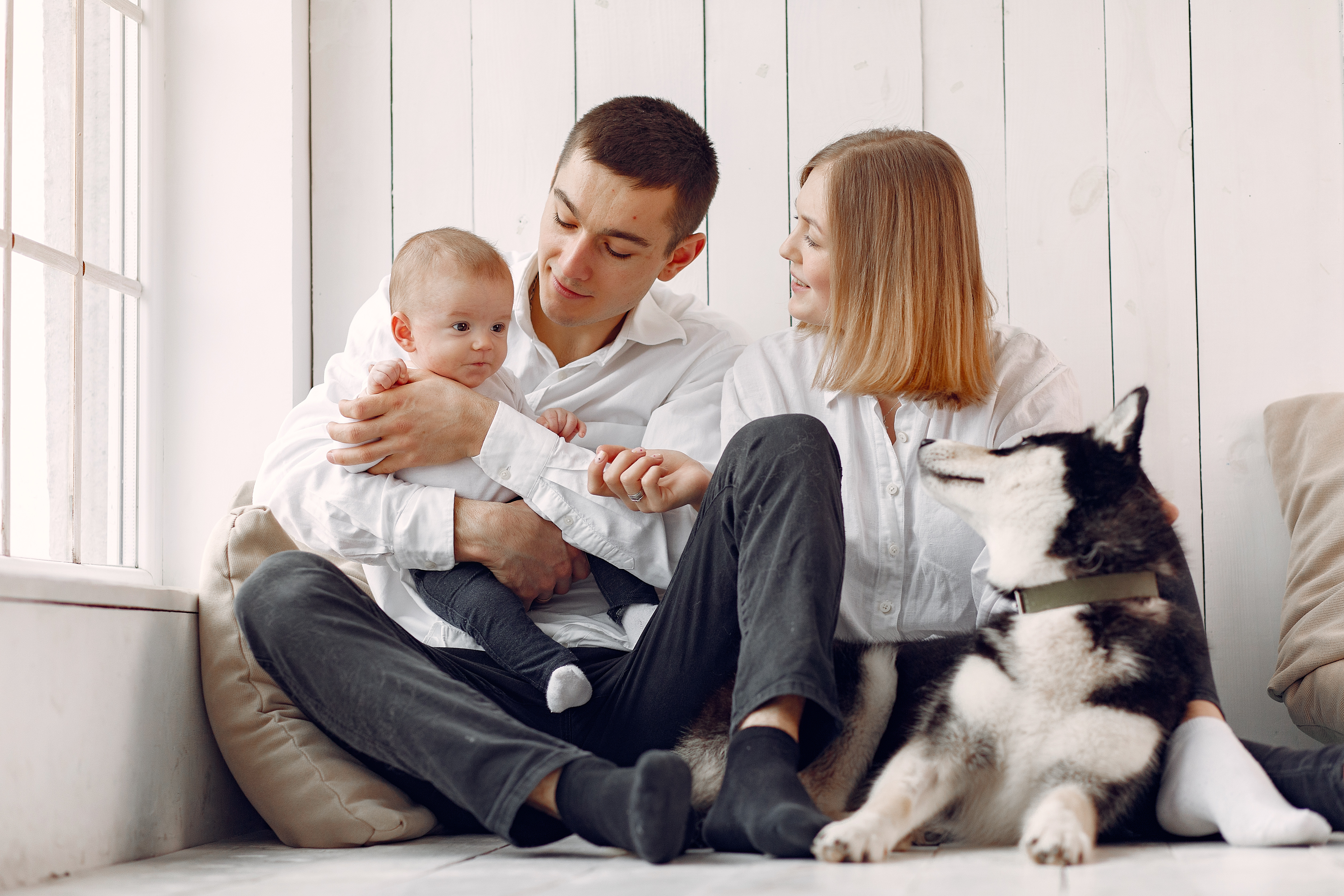
There are some moments that become life-changing, especially when you bring a newborn home. But when a playful pup is already a part of that mix, the joy comes with a new set of responsibilities. Your pup will not know why the sounds suddenly sound different, smell different, and follow a new routine.
Similarly, your baby needs calm, clean, and safe surroundings. This blissful harmony carries with it moments of stress, but things can be different here. A bit of your effort, thoughtful preparation, and gentle guidance can help your pup adjust easily and start building a peaceful connection with the latest member of your family. The steps that you take in these early days can shape years of safe, happy companionship.
In our post today, we are going to explain the way to prepare in advance, manage the initial meeting, and create healthier habits that safeguard your pup and your baby.
Common Fears New Parents Have About Puppies and Babies
Welcoming a newborn, besides caring for a puppy, can raise several "what if" questions for new parents. Such concerns are extremely natural, mainly when the top priorities are with adjustment and safety.
- Accidental Injury: Puppies are highly energetic, especially small breeds like the Teacup Havapoo, and they may jump, paw, and move suddenly. This raises concern for parents of a fragile newborn.
- Jealousy or Attention-Seeking Behavior: Several parents often fear that their pup will feel replaced or even act out due to less attention.
- Aggression Concerns: It is known that even gentle puppies might appear unpredictable around an unfamiliar or crying baby.
- Hygiene and Health Worries: Shedding, licking, and germs often raise concerns about the immune system of a newborn.
- Supervision Anxiety: Parents might often worry about managing both their pup and a baby all at the same time, mainly during those busy or exhausting moments.
Although these fears are extremely valid, most of them are preventable with the right preparation, supervision, and a clear set of boundaries. Following the right approaches can help your pup adjust safely and positively to life with their newborn.
Tips to Prepare Your Puppy for Life With a Newborn Baby
A successful introduction between your pup and your newborn starts appropriately before the baby comes home. Laying a robust groundwork sooner can help reduce stress, prevent unwanted behaviors, and create a soothing space for all.
Prepare Your Puppy Before the Baby Arrives
The perfect introductions start way before the baby is brought home. Pups depend on routine, and a newborn's addition to the household will change the entire schedule. Preparing sooner can help bring down confusion and stress.
You can start by reinforcing the fundamental obedience commands like sit, stay, leave it, and down. Such types of cues are important whenever you need your pup to stay calm around the baby. If your puppy continues to jump, nip, or pull on the leash, focus on addressing such behaviors well ahead of time. Furthermore, you can help your pup by adjusting:
- Introducing baby-related sounds, like crying or cooing, at a low volume
- Setting up baby furniture early so it doesn’t feel sudden or threatening
- Teaching your puppy that certain areas (like the nursery) may be off-limits
Making the indoor space predictable can make the transition effortless.
Bring Home the Baby’s Scent First
Before your newborn arrives, it is essential to help your pup become familiar with the changes that are coming. New objects, sounds, and scents can prove stressful if introduced all at once; gradual exposure can make a huge difference. You can start by gradually introducing baby-related stimuli into your pup's space, like:
- Playing recordings of baby cries or cooing sounds at a low volume
- Allowing your puppy to sniff baby items like blankets, clothes, or lotions
- Setting up baby furniture early so it becomes part of the normal surroundings
It is important to reward calm, relaxed behavior with treats or praises. This will help your pup to associate baby-related cues with positive experiences instead of any excitement or stress.
Establish Clear Boundaries and Safe Spaces Early On
Setting clear boundaries is important for the safety of your pup and newborn. Training your pup about these limits before your newborn arrives home can help them know expectations about the feeling of restrictions suddenly. It is important to focus on establishing a clear structure through:
- Teaching your pup the rooms and areas that are off their limits
- Install baby gates as well as playpens for separating spaces whenever needed
- Giving your pup a quiet, comfortable space of their own
Setting clear boundaries will remove confusion as well as overstimulation, besides offering your pup a better sense of consistency and security.
Plan a Calm and Controlled First Introduction
The initial meeting between your pup and your newborn should be short, calm, and carefully supervised. The aim is not on interaction but observation as well as positive association. To set the stage right for the successful introduction, you should:
- Make sure your puppy has exercised beforehand to release excess energy
- Keep your puppy on a leash for added control
- Allow your puppy to observe the baby from a safe distance first
If your pup stays calm, then a short, gentle sniff is sufficient. You can end the interaction on a positive note before any stress or excitement builds up.
Teach Boundaries and Gentle Behavior
Puppies do not automatically realize that babies are not toys or grown-up human beings. It is significant to teach the limits. The baby should be encouraged to remain calm and discourage jumping, barking, or licking. Positive reinforcement, i.e., rewarding your pup when it is sitting down, lying down, or ignoring the baby. Meanwhile, physical boundaries should be set by:
- Use baby gates to separate spaces when needed
- Teach your puppy to stay off baby furniture
- Provide your puppy with their own safe retreat area
Such kinds of boundaries can help your pup feel secure and reduce the risk of overstimulation.
Maintain Your Puppy’s Routine and Emotional Well-Being
The baby will instinctively require your attention, but when things change abruptly, your pup will feel threatened or bewildered. Routine can also be used to reassure your pup that you are still attending to their needs. The key aspects to be considered include:
- Consistent feeding, walking, and play schedules
- Short but meaningful one-on-one time each day
- Rewarding calm behavior around the baby with praise or affection
These small efforts go a long way to prevent jealousy, anxiety, or attention-seeking behaviors.
Watch for Signs of Stress
Puppies show signs of discomfort through their body language. It is important to identify early signs of stress, such as:
- Excessive yawning or lip licking
- Avoiding eye contact
- Whining, pacing, or stiff posture
- Growling or snapping
If you find such behaviors, then calmly separate your pup from the baby, offering them the space. Stress is never a sign of a "bad dog." It is a clear sign that your puppy needs help in adjusting. If you find stress persists, then consider working with a professional dog trainer or even a behaviorist.
Encourage a Positive Relationship as Your Child Grows
While your baby grows older, interactions with your pup increase and evolve. This phase requires regular mentoring, safety, and respect. One should encourage a healthier relationship with:
- Training your child to be gentle with his touch and peaceful with his manners.
- Maintaining close monitoring throughout the interactions.
- Continue the training of your puppy in new circumstances.
Thus, with time, these repeated positive experiences can lead to trust building, which forms a solid basis for a lifelong relationship between your child and your pup.
Conclusion
Bringing a pup and a baby together is not a single event; it involves a proper process. The earlier you can think, the better you can watch, and the better you can strengthen positive behavior in your pup as well as your baby, so that you have a safer and more peaceful home with them.
The work that you are putting in these initial days will give a solid base for the years of companionship, trust, and memorable moments as your child and dog grow up together.