How New Parents Use Video Chat Sites During Night Feeds
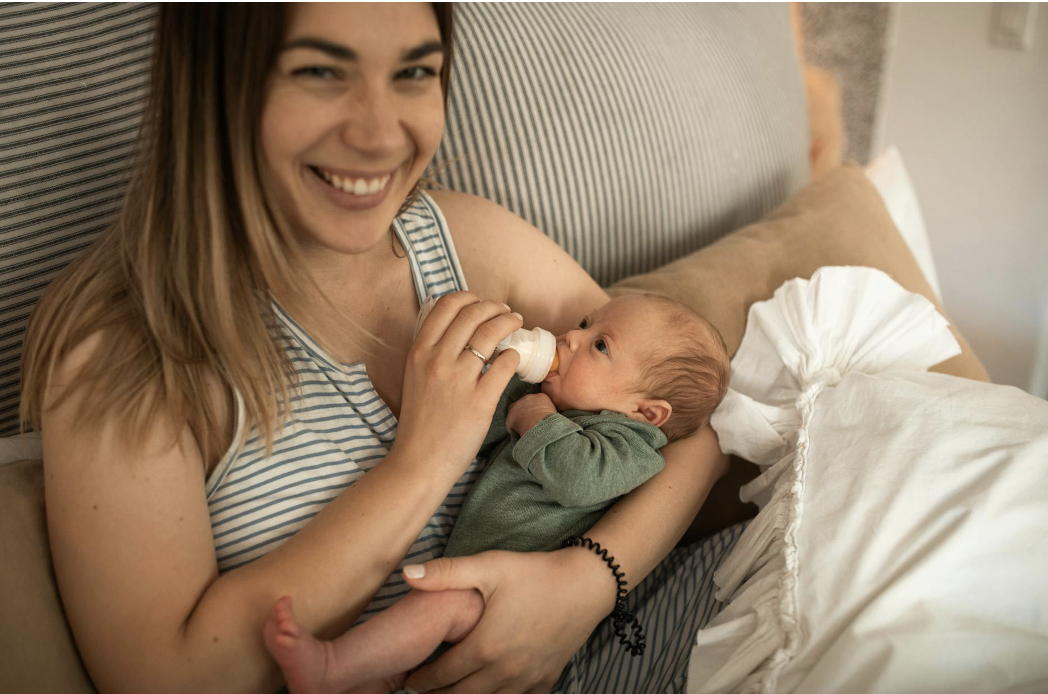
The 2am feed is one of the loneliest hours in a household with a small baby. The lights are off, the partner is asleep, the baby is latched, and the parent on duty has thirty to forty minutes to fill while staying awake and reasonably alert. The phone is the obvious companion, and what new parents do on that phone has shifted in the past two years. Scrolling Instagram is still common, but a meaningful and quiet segment of the new-parent audience now spends part of those night feeds on random video chat platforms, talking briefly to strangers in other time zones who are also awake at hours no one else is.
This is not a moral judgment. It is a description of what is actually happening on the user base of major random video chat services after midnight. The platforms have known about this segment for years and have started designing around it. The new-parent audience is older than the typical user, calmer than the typical user, and more likely to use the platforms for brief conversation rather than anything more elaborate.
Why the Night Feed Window Works
The mechanics are practical. A parent on a night feed cannot sleep, cannot do focused work, and cannot do anything that requires both hands. The phone fills the gap. Reading is hard with one hand. Television is loud. Audio podcasts are an option, but they do not give anything back. A random video chat session is short, low-effort, and gives the parent a brief human exchange that does not require leaving the chair.
The other parent on the other end is often in a similar situation. International time zones mean that a 2am London feed is paired with an 8pm Brisbane evening, an 11pm Cairo wind-down, or a 6pm Toronto early evening. The conversations are short. The participants are not looking for a relationship. They are filling time in a way that feels human rather than algorithmic.
What Replaced the Late-Night Phone Game
The decade leading up to 2020 saw new parents fill night feeds with mobile games and Reddit threads. The new layer is the random video chat platform, which provides a small social interaction without committing to anything beyond the immediate conversation.
Some platforms have come and gone. Umingle had its run and lost share. New parents in particular are sensitive to the pace of the queue, because they do not have the bandwidth to navigate a clunky interface in the middle of the night.
What the Conversations Actually Look Like
A typical conversation during a night feed lasts six to fifteen minutes, often less. The parent introduces themselves vaguely, mentions the time, and the other person responds in kind. Topics drift through the trivial: weather, work, a TV show, a recipe. The platforms are not used for anything romantic in this segment. They are used for the kind of small human exchange that an empty 2am living room does not provide on its own.
The interaction also helps with staying awake. The risk of nodding off during a night feed is real, and many parents have learned the hard way that a sleeping parent with a feeding baby is an unsafe configuration. The brief social pressure of a video conversation keeps the parent alert. The platform serves a small but practical safety function alongside the social one. Parents who have already worked through a sleep-friendly bedroom setup for their older children sometimes carry the same calm and intentional approach into the way they manage their own night-time routine.
The Platform Choice Settled
The platforms that retain new-parent traffic tend to share a few features: a fast queue, a clean interface, light moderation that is present but not aggressive, and a forgiving bandwidth profile. Newer entrants compete on these features, and the platforms that win this audience tend to do so by getting the small details right. A parent will not tolerate a three-minute queue at 2am. They will switch to whichever platform delivers a match in under thirty seconds, and they will stay on that platform until it stops doing so.
Some of those newer platforms have grown specifically by absorbing displaced users from older services. The shifts in user base track tightly with the platform's queue-time and moderation policies. One frequent example is the user migration where some umingle girls users migrated lately to alternatives that maintained a faster queue and lighter touch on session duration. The pattern repeats across platform generations, and the new-parent audience tends to be among the first to notice when a platform's experience degrades.
Privacy Practices Among New Parents
The new-parent audience is more careful with identity than the average user. First names only. Background framed to hide the bassinet, the changing pad, and any identifying details about the home. Account information stays minimal. The platform's conversation history gets deleted when possible. The instinct to protect the child shows up in the way the parent uses the platform, even when the child is not on camera.
Webcams get covered when not in use. Browser tabs get closed before the partner wakes up. The new-parent crowd has developed its own small set of platform hygiene practices that the rest of the audience could probably learn from. The transition to a new grow-with-me sleep sack that adjusts as the baby gets bigger is just one of many small parenting routines that benefit from this kind of careful planning, and the same mindset carries into the parent's own online habits.
Why This Quiet Segment Matters
The new-parent audience is not visible in the marketing of the major random video chat platforms. The segment exists anyway, and platform operators design around it implicitly. Queue speeds, bandwidth profile, and moderation patterns all reflect a user base awake at unusual hours.
This segment will grow. The new-parent population renews itself constantly, and the format suits its needs in a way little else does. None of this shows up in a press release, but it shows up in the numbers.