Daily Dog Poop Disposal Routines That Work
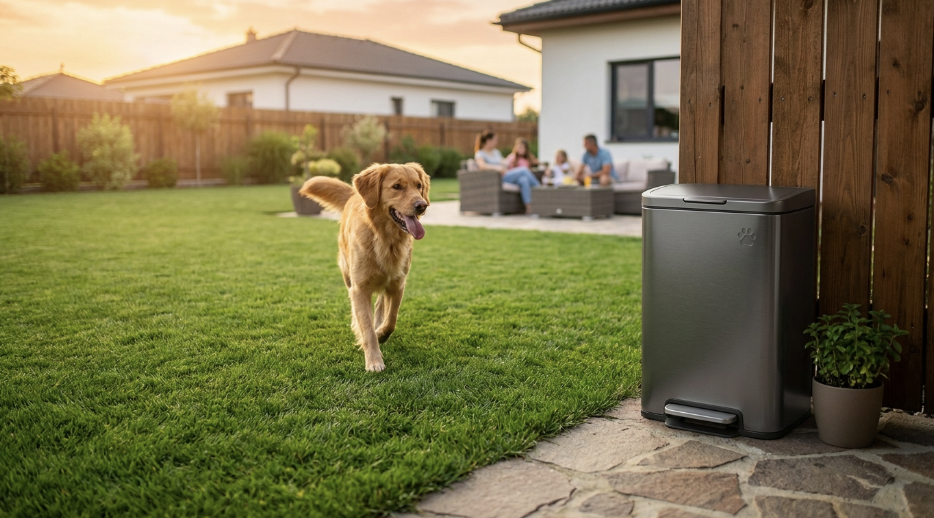
Every dog owner deals with waste pickup, yet most rely on whatever method they started with and never rethink the process. A solid disposal routine does more than keep the yard clean. It controls odor, reduces health risks, and turns a dreaded chore into a 5-minute habit. This guide covers practical daily routines, compares disposal methods side by side, and walks through the tools and strategies that make waste management simple for any household.
How Does Dog Poop Disposal Work at Home?
A home disposal system has 3 core components: a pickup method, a containment solution, and a disposal endpoint. The pickup method is usually a bag or scooper. Containment means a dedicated bin or pail that locks in odor between trash collection days. The disposal endpoint is curbside garbage, a composting setup, or a flushable option depending on local regulations.
The goal is to move waste from the yard into a sealed container as fast as possible, with minimal smell and minimal contact.
What Equipment Do You Need for a Daily Routine?
A functional daily routine requires just a few items:
- Waste bags (standard or biodegradable)
- A scooper or rake for yard pickups
- A dedicated outdoor pail with a lid and odor-locking mechanism
- A bag dispenser attached to the leash for walks
Skip the regular kitchen trash can. Open-lid containers let odor escape and attract pests. A purpose-built pail with a sealing clamp keeps waste contained until garbage day.
Where Should You Set Up a Disposal Station?
Place the bin in a shaded spot near the most-used area of the yard. Direct sunlight heats waste and accelerates odor. A location close to the back door or gate makes it easy to deposit bags without detours.
For apartments or condos, a compact pail on the balcony or in the garage works well. The key is proximity to the pickup zone so the extra step never becomes a reason to skip a day.
What Are the Best Dog Poop Disposal Methods for Pet Owners?
Not all methods are equal. The best one depends on yard size, number of dogs, and how often trash gets collected in your area.
For pet owners who want a hands-off experience between garbage days, a dedicated dog poop disposal bin is the most practical option. Brands like Pet Genie offer dog poop disposal systems that use odor-locking technology to seal waste in a contained unit, which means no loose bags sitting in the sun and no smell drifting across the patio.
The 3 most common approaches are dedicated poop bins, standard trash cans with liners, and direct bagging into the curbside bin.
How Do Dedicated Poop Bins Compare to Regular Trash Cans?
Dedicated bins are designed to lock odor inside. They typically use a clamping mechanism or sealed bag system that traps smell each time waste is deposited. Regular trash cans rely on a lid that opens fully, releasing accumulated gases every time you lift it.
A standard trash can also mixes pet waste with household garbage, which creates cross-contamination and makes the entire bin harder to clean. A dedicated pail isolates dog waste in its own sealed environment.
Over a week, the difference is significant. A purpose-built pail stays odor-neutral even with 7 days of accumulated waste. A regular trash can starts to smell within 2 to 3 days in warm weather.
What Role Do Biodegradable Bags Play in Waste Management?
Biodegradable bags break down faster than standard plastic in landfill conditions, though the timeline varies depending on the material. Bags labeled "compostable" require industrial composting facilities to decompose fully, so check local guidelines before assuming they break down in a backyard pile.
For daily routines, biodegradable bags work the same way as regular ones during pickup. The environmental benefit comes at the disposal endpoint. If your municipality accepts compostable pet waste, these bags reduce plastic accumulation. If not, they still function as a standard waste bag with a smaller long-term footprint.
Daily Dog Poop Disposal Routines That Save Time
A routine only works if it takes less effort than the alternative. The fastest approach is to build pickup into an existing habit, not to treat it as a separate task.
What Does a Morning Pickup Routine Look Like?
The simplest version takes under 5 minutes:
- Grab a bag and scooper on the way out for the morning walk or yard check
- Walk the yard perimeter once, picking up any waste from the past 24 hours
- Tie the bag, drop it in the dedicated pail, and close the lid
Attaching this to the morning coffee routine or the first walk of the day makes it automatic. The yard stays clean by default, and waste never sits long enough to attract flies or create odor problems.
How to Handle Multi-Dog Households Efficiently
Two or more dogs produce enough waste that skipping a single day creates a backlog. The fix is a twice-daily schedule: once in the morning, once in the evening.
Use a larger pail or one with a higher bag capacity. A standard single-dog bin fills up fast with multiple dogs, which leads to overstuffing and broken seals. Size the container to match the household output, not the number of dogs on paper.
Assign pickup zones if the yard is large. Dogs tend to use the same areas repeatedly, so mapping those spots speeds up the process.
How to Control Odor During Dog Waste Disposal
Odor is the number one complaint with outdoor waste bins. The problem is rarely the waste itself. It is the container failing to contain gases between deposits.
Which Bin Features Actually Lock in Smell?
Three features separate an effective bin from a glorified trash can:
- A clamping or sealing mechanism that closes after each deposit
- Multi-layer bag material that blocks gas transfer through the liner
- A foot pedal or hands-free opening to minimize lid exposure time
Bins without a sealing clamp rely on gravity alone to keep the lid shut. Wind, pets, and accidental bumps open the lid and release trapped odor. A mechanical seal eliminates this problem.
Seasonal Adjustments for Odor Management
Heat accelerates decomposition and odor production. In summer, move the bin to the most shaded spot available and increase bag replacement frequency from weekly to every 4 to 5 days.
In winter, odor decreases naturally, but frozen waste can stick to the bin interior. Line the bottom of the pail with a trash bag layer to make cleanup easier during thaw cycles.
Baking soda or activated charcoal pouches placed inside the pail lid absorb residual odor between bag changes. Replace them monthly for consistent performance.
Eco-Friendly Dog Poop Disposal Options Worth Considering
Standard plastic bags account for the bulk of pet waste packaging in landfills. Reducing that footprint requires switching either the bag material, the disposal method, or both.
Composting Dog Waste Safely
Dog waste composting is viable but requires specific conditions. Pet waste contains pathogens that standard backyard compost piles do not reach temperatures high enough to neutralize. A dedicated pet waste composter, buried partially underground, uses enzymes and heat to break down waste over 4 to 6 weeks.
Never add dog waste compost to vegetable gardens. The safest application is ornamental beds and non-edible landscaping.
Flushable Bags and Enzyme-Based Solutions
Water-soluble bags dissolve in the toilet, sending waste through the municipal sewage treatment system. This method works for small dogs or single pickups but becomes impractical for daily multi-dog volumes.
Enzyme-based septic treatments added to a dedicated yard digester break waste down underground. The digester is a bottomless bucket buried in the ground. Waste and enzymes go in, and the treated material leaches into the surrounding soil over time. This option suits large yards with well-drained soil.
Common Mistakes That Make Dog Poop Disposal Harder
Most disposal frustrations come from avoidable habits that compound over time.
Skipping Days and Letting Waste Accumulate
A 2-day gap doubles the workload and quadruples the odor problem. Waste left on grass for more than 48 hours begins leaching nitrogen into the soil, killing patches of lawn and creating brown spots.
The cost of skipping is always higher than the cost of a 5-minute daily pickup. Set a phone alarm for the first week until the habit sticks.
Using the Wrong Bags or Containers
Thin bags tear during pickup and leave residue on hands and scoopers. Bags rated at 15 microns or thicker handle waste without puncturing. Look for bags with tie handles rather than twist ties, as handles seal faster and hold tighter.
Open containers without a sealed lid create a cycle: odor builds, the owner avoids opening the bin, waste accumulates elsewhere, and the problem grows. Investing in a proper sealed pail breaks this cycle permanently.
Key Takeaways for Building a Dog Poop Disposal Routine That Lasts
A daily routine succeeds when it removes friction at every step. The right bag, a sealed bin in a shaded spot, and a fixed time of day are all it takes to keep a yard clean with minimal effort. Match the system size to the household (more dogs means a larger pail and twice-daily pickups), adjust for seasonal heat, and avoid skipping days. The 5-minute investment each morning pays off in a yard that stays clean, odor-free, and healthy for both pets and people.
Frequently Asked Questions About Dog Poop Disposal Routines
How Often Should You Pick Up Dog Poop in Your Yard?
Once per day is the baseline for a single-dog household. Twice daily is recommended for homes with 2 or more dogs. Pickup frequency directly affects odor levels, lawn health, and pest attraction. Waste left beyond 48 hours begins damaging grass and attracting flies.
Can You Throw Dog Poop in the Regular Garbage?
Yes, in most municipalities, bagged dog waste is accepted in regular curbside garbage. Check local regulations, as some areas require double-bagging or prohibit pet waste in green bins. The key is to use sealed bags and a lidded container to prevent odor and contamination in the main household trash.
What Is the Most Hygienic Way to Dispose of Dog Waste at Home?
A dedicated pail with an odor-locking clamp and multi-layer bags is the most hygienic home option. This setup isolates pet waste from household trash, seals odor between deposits, and requires contact only through the bag during pickup. Pair it with a hands-free foot pedal opening for a fully no-touch routine.