A Parent's Guide to Medical Devices That Support Premature Babies at Home
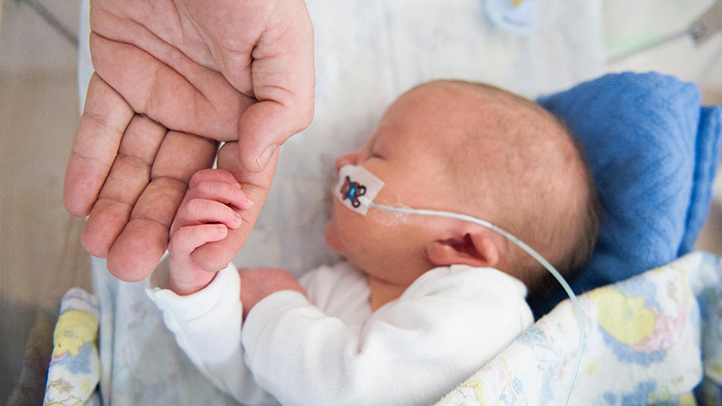
Bringing a preemie home is a moment most NICU parents both crave and fear. You've spent weeks, sometimes months, watching monitors, listening to alarms, and learning what every beep and number means. Now the hospital is handing you some of that same equipment and asking you to run it in your living room.
If this feels overwhelming, that's normal. In 2024, about 1 in 10 U.S. babies was born preterm, roughly 377,204 infants according to March of Dimes data, and a meaningful share of them go home with some form of medical device. This guide walks through the most common ones, what they actually do, and what the research says about using them safely.
What Equipment Might Come Home From the NICU
Not every preemie leaves the hospital with medical gear. Most late-preterm babies (born 34 to 36 weeks) go home with nothing more than a car seat and a discharge packet. Devices become more likely as gestational age drops, birth weight decreases, or complications like bronchopulmonary dysplasia (BPD) enter the picture.
A retrospective study of 48,877 NICU discharges across 228 U.S. hospitals found home oxygen use in 28% of extremely preterm infants, compared with just 0.7% of late-preterm and term infants. BPD affects up to 50% of very-low-birth-weight babies and is the condition that most often triggers a home equipment prescription, with an estimated 15,000 new cases per year in the United States.
Here are the categories you're most likely to encounter:
- Home monitoring devices: apnea monitors and medical-grade pulse oximeters
- Feeding equipment: nasogastric (NG) tubes, feeding pumps, syringes, or gastrostomy supplies
- Respiratory support: low-flow oxygen concentrators, portable tanks, nasal cannulas, occasionally CPAP
- Ancillary items: digital thermometers, medical scales, medication delivery devices
Which items your family actually needs is a clinical decision your neonatologist and pediatrician make together. Before discharge, ask exactly why each device was prescribed and what specific event or measurement would trigger a call to the doctor.
Home Monitoring Devices: What They Do and What They Don't
This is the category where confusion is most common. There's a real difference between a consumer baby monitor you buy online and a prescribed medical device the hospital sends home.
Traditional home cardiorespiratory monitors track chest movement and heart rate. An alarm sounds if the baby stops breathing for a preset time (typically 20 seconds) or if the heart rate falls below a preset threshold. Per Medscape's clinical guidance, the mean duration of home monitoring for prematurely born neonates is often more than six weeks, with monitoring usually continuing until about 43 weeks postmenstrual age or after a defined event-free period.
Prescribed medical-grade pulse oximeters are a newer category. Owlet's BabySat received FDA 510(k) clearance in June 2023 as a prescription device for infants aged 1 to 18 months (6 to 30 pounds) with medical conditions requiring monitoring. The over-the-counter Owlet Dream Sock received De Novo FDA clearance in November 2023. Both continuously measure heart rate and blood oxygen saturation (SpO2) and alert caregivers when values fall outside preset ranges.
The reliability of every device in this category depends heavily on the software running inside it. Alarm thresholds, motion-artifact filtering, wireless transmission, battery management, and clinical dashboards are all software-driven, which is why Medical device software development – Glorium Technologies and similar disciplines have become central to how modern home monitors get engineered, tested, and cleared. Software that mishandles motion artifact, for example, will produce a stream of false alarms and quickly erode parental trust in the device.
A few things the research is clear about:
- The American Academy of Pediatrics, in its 2022 safe sleep update, does not recommend home cardiorespiratory monitors as a strategy to reduce SIDS risk. There is no documented evidence they lower SIDS rates, and the AAP notes they may create a false sense of security.
- Home monitors are appropriate for specific medical reasons (recurrent apnea of prematurity, certain cardiac conditions, chronic lung disease) prescribed by a physician, not as general reassurance devices.
- False alarms are common. In an Aetna-cited study of home cardiorespiratory monitoring across 45 patients, 76.8% of recorded events triggered audible alarms, but only 3.9% of those alarms reflected clinically meaningful events.
The takeaway: a monitor is a clinical tool for infants with a specific indication. It's not general safety insurance, and treating it as one can cause more anxiety than it prevents.
Feeding Support: Tubes, Pumps, and the Learning Curve
Reaching full oral feeding used to be a firm prerequisite for NICU discharge. That standard has shifted at many hospitals. Home nasogastric (NG) feeding programs let babies leave the NICU earlier and continue learning to feed in a calmer sensory environment, where parents can respond to hunger cues on the baby's own schedule.
A seven-year retrospective analysis of a Home NG program covering 83 infants (published in 2024) found that 93% of infants had no documented feeding problems at the end of follow-up, there were zero emergency-department visits related to NG tube malfunction, and the program was estimated to have avoided 556 hospitalization days across the cohort.
A separate cohort of 119 preterm infants (median gestational age at birth 31 weeks, median birth weight 1,650 g) discharged with NG tubes from a German tertiary neonatal unit reported that 94% of parents felt they had made the right decision, 86% felt very well-prepared to perform tube feeding at discharge, and there were no NG-related readmissions.
If your baby is going home with an NG tube or feeding pump, expect training on verifying tube placement before each feed, preparing formula or fortified breast milk at the correct concentration and temperature, operating the pump (rate, volume, alarms), cleaning and rotating supplies, and recognizing signs of aspiration or feeding intolerance. Ask the equipment supplier for a printed quick-reference card and an after-hours phone number. You will use both.
Respiratory Support at Home
Home oxygen is the most common medical intervention sent home with extremely preterm infants. The setup is usually straightforward: a stationary concentrator for the house, portable tanks for outings, humidified low-flow nasal cannula, and a pulse oximeter for spot checks or continuous monitoring depending on the prescription.
Practical points that don't always come up during discharge planning: oxygen tubing runs across the floor, so tape it down or route it along walls so siblings and pets don't trip on it; concentrators generate heat and noise, so locate yours away from the crib but on the same level of the home for easier routing; backup tanks exist because power outages happen, so know your supplier's emergency contact; and every open flame (candles, gas stoves, cigarettes) is a serious hazard near supplemental oxygen. That last point isn't a suggestion. It's a hard safety rule.
Weaning is a slow, physician-led process, and duration varies widely. A published Chinese cohort study of BPD infants on home oxygen reported a median therapy duration of 25 days, with every surviving infant successfully weaned within the first year of corrected age. Your pediatric pulmonologist will guide the schedule based on growth, oxygen saturation trends, and follow-up assessments.
Practical Advice for the First Weeks at Home
The devices themselves are not the hardest part. The hardest part is integrating them into a home that also has laundry, siblings, work calls, and 3 a.m. feedings. A few things NICU parents consistently wish they'd been told sooner:
- Keep a single binder or app with device manuals, supplier phone numbers, prescription details, and pediatrician contacts. When something beeps at 2 a.m., you don't want to be hunting for a document.
- Take the infant CPR class before discharge, not after. Most NICUs offer training on-site. Do it, even if you feel ready.
- Learn which alarms require action and which are informational. Ask the discharge nurse to walk through every alarm sound the device makes and what each one actually means clinically.
- Photograph your home equipment setup. If a home health nurse or respiratory therapist visits and adjusts something, photos help you re-create the correct configuration later.
- Track battery cycles. Rechargeable batteries in monitors and pumps lose capacity over time. If a device holds a charge for progressively shorter periods, request a replacement from the supplier.
Also, give yourself permission to feel two things at once. A monitor can be reassuring and exhausting. A feeding tube can save your baby's life and still make you cry. Both can be true, and neither means you're doing it wrong.
Bringing It All Together
Home medical devices for premature babies have gotten quieter, smaller, and more parent-friendly over the past decade, but they still require training, patience, and a clear plan built with your pediatric team. Three things worth remembering:
- Every device your baby comes home with was prescribed for a specific clinical reason. Ask what that reason is and when the device is expected to come out of the picture.
- Consumer baby monitors and prescribed medical devices are not interchangeable. The AAP has been explicit that the former do not reduce SIDS risk.
- The most effective safety tool in your home is a well-informed parent who knows their baby, understands their equipment, and knows exactly who to call when something feels off.
If you're heading home from the NICU soon, write down three questions for your discharge team today. Then ask them tomorrow.