How Exterior Improvements Enhance Safety Around Homes With Babies
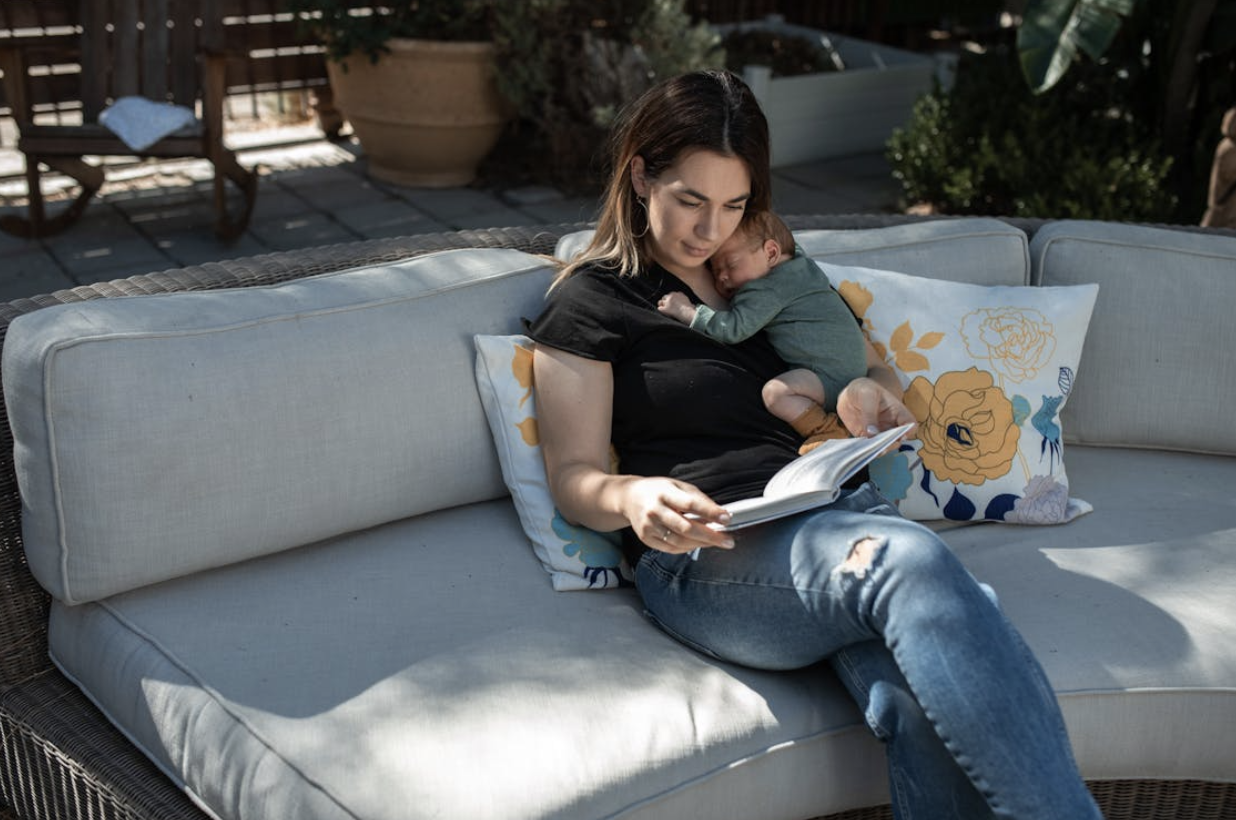
Welcoming a baby into a home often shifts attention toward interior comforts, yet the outdoor environment plays a strong role in shaping daily safety. Exterior features form the first line of protection, influencing how securely families move in and out of the house. Surfaces, structures, and access points outside can either reduce hazards or quietly introduce new ones. When these areas receive thoughtful upgrades, they support calmer routines and fewer safety concerns. Parents benefit from spaces that anticipate crawling, carrying, and frequent transitions between indoors and outdoors. Exterior improvements can guide movement, prevent accidents, and create peace of mind during early childhood. With careful planning, outdoor changes contribute to a safer living environment that supports a growing family from the ground up.
Roof Integrity and Weather Protection
A secure roof protects far more than interior rooms, since it shapes how water and debris interact with the entire structure and the spaces families use every day. Leaks or loose materials can create damp areas near entrances, leading to slippery surfaces where parents often carry babies or manage strollers. Strong roofing systems manage rain flow in a controlled manner, directing water away from walkways and foundations to reduce hidden hazards. Gutters and downspouts that work correctly limit pooling near doors and windows, supporting safer access during wet conditions.
Shingles, flashing, and seals that remain intact help prevent moisture buildup that may affect air quality around entry points. When maintenance or inspections are needed, homeowners may choose to rely on professional support from providers, such as https://fixdroofing.com, to help keep roofing systems dependable and well-maintained. Attention to roofing details supports safer transitions between outdoor and indoor spaces throughout the year.
Driveways, Walkways, and Surface Stability
Smooth and stable pathways reduce the risk of trips during moments when attention stays focused on a baby rather than on footing. Cracked concrete, uneven pavers, or loose gravel can pose serious challenges for strollers and carriers. Upgrading these surfaces improves traction and visual clarity, allowing caregivers to move confidently. Clear edges between lawns and paths help define safe routes for movement.
Gentle slopes and proper drainage prevent water accumulation that might create slick areas. Surface materials chosen for durability maintain their integrity through seasonal changes. When pathways feel predictable and secure, daily routines become less stressful and safer for everyone involved.
Fencing, Boundaries, and Controlled Access
Defined boundaries help manage movement and prevent unintended access to streets or neighboring properties. Fencing offers visual cues that guide guests and service providers while protecting children as they grow more mobile. Gates with reliable latches limit sudden exits during busy moments.
Materials selected for fencing should avoid sharp edges or gaps that invite climbing. Height and placement matter, shaping how effectively boundaries function without feeling restrictive. Thoughtful perimeter design supports supervision rather than replacing it. Clear boundaries encourage outdoor time while keeping risks manageable.
Exterior Lighting and Visibility
Lighting shapes how safely families navigate their surroundings during early mornings or late evenings. Soft yet sufficient illumination around doors and walkways improves visibility without causing glare. Well-placed fixtures reduce shadows that might hide obstacles or uneven ground. Motion-activated lights support awareness when hands are full.
Consistent lighting patterns help caregivers memorize routes, reducing missteps. Fixtures designed for weather resistance maintain reliability across seasons. A visible and welcoming exterior supports confidence during every arrival and departure.
Siding, Drainage, and Structural Health
Exterior walls and drainage systems influence how moisture, pests, and temperature shifts affect living spaces. Well-maintained siding prevents water intrusion that could weaken structures near entrances. Proper drainage protects foundations, keeping surfaces dry and stable. When exterior materials remain sound, they reduce the chance of unexpected repairs that disrupt family routines.
Parents seeking guidance on maintaining these protective elements often explore professional approaches to exterior care. Strong structural health supports safer daily movement around the home. Reliable materials contribute to a calm and predictable environment for families.
Entryways, Doors, and Small Design Choices
Entry points deserve focused attention because they frequently involve transitions with infants. Doors that open smoothly and close securely reduce sudden movements that might startle a baby. Thresholds designed to sit flush with the flooring limit tripping risks. Weather stripping keeps drafts and insects outside, protecting indoor comfort near entrances. Hardware choices influence safety through factors such as grip, height, and ease of use.
A combination of thoughtful upgrades strengthens how entryways function every day. Exterior enhancements often work best when several small details align, including:
- Non-slip mats that stay firmly in place
- Handrails positioned for stable support
- Covered porches that shield against rain and glare
These details support confident movement during busy moments.
Exterior improvements quietly shape how safe and manageable daily life feels in a home with a baby. Each upgrade, from roofing to walkways, influences movement, visibility, and comfort. When outdoor spaces support predictable routines, parents can focus attention where it matters most. A well-maintained exterior reduces stress during transitions and encourages time spent outside without added worry. Safety grows through thoughtful planning rather than dramatic changes. By viewing the exterior as an extension of the living environment, families create a supportive setting that grows alongside their child.