How to Have a More Secure Entrance at Your Premises: A Full Guide
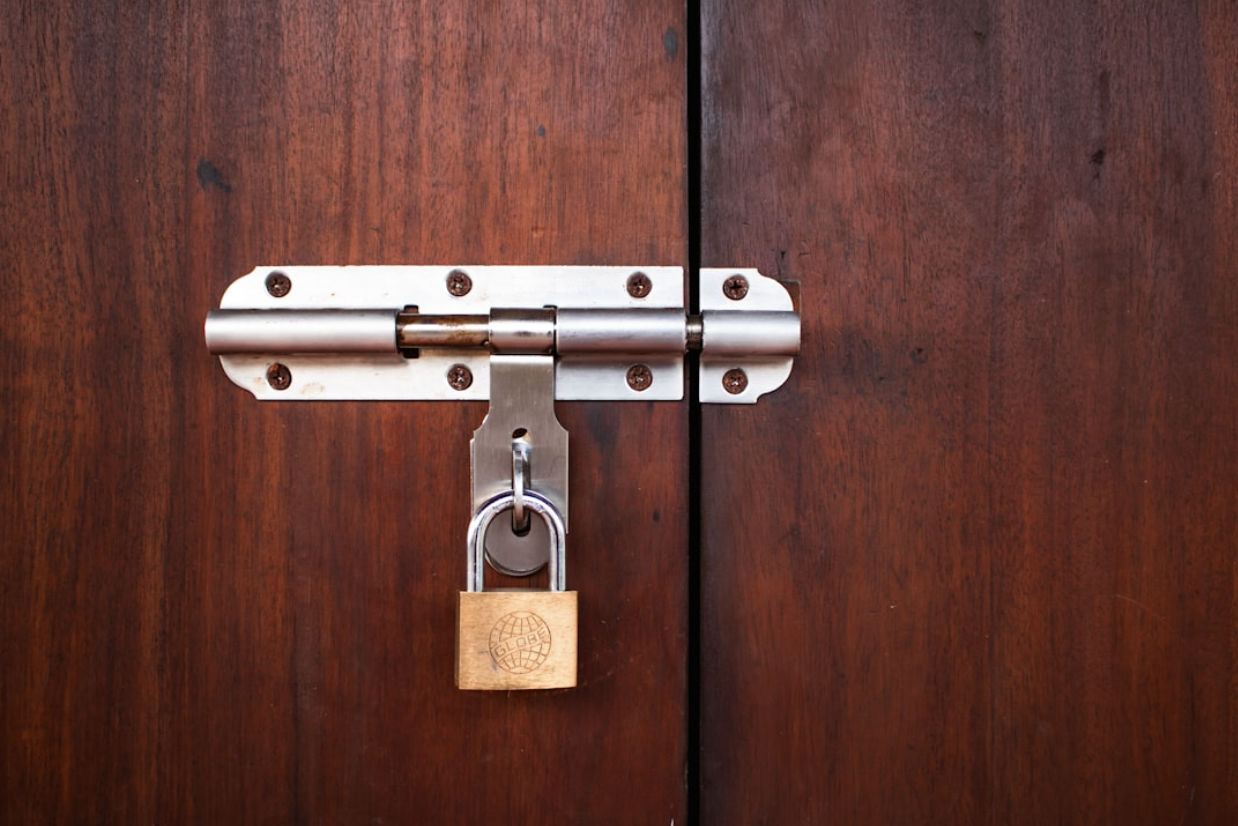
Your entrance is where welcome meets risk. It is the single point that most visitors and would-be intruders share, so every small weakness can be tested daily. This guide shows how to harden that threshold without turning your building into a bunker.
Choose Doors and Frames That Meet Modern Tests
A strong entrance starts with a tested doorset. Look for whole-of-door performance that covers the slab, frame, hardware, and fixings under real attack methods. Ask for certificates and test reports, not just marketing terms.
Industry coverage explained that the PAS 24:2022+A1:2024 amendment was introduced in 2024 to reflect evolving burglary techniques, and it sets procedures for identifying residential doorsets that resist opportunistic attack. Use that as a principle, even if your local code differs. A competent supplier should help you translate those requirements into your building type and climate.
Screens and Glazing That Add Security Without Losing Airflow
Security should not force you to choose between breeze and barrier. Quality screens can block forced entry attempts while keeping sight lines open. Specify mesh, frames, and hinges that resist cutting, jemmying, and prying.
Think about how the screen works with the main door. The best results come from an integrated pair: the screen handles ventilation hours, and the primary door handles overnight duty and severe weather. If you want a simple way to blend airflow and deterrence, invest in custom screen doors as part of a layered entrance. Pairing a purpose-built screen with a certified doorset multiplies the time and noise an intruder must commit.
Smarter Access That Closes Common Gaps
Credential choice shapes both convenience and risk. Keys are simple but easy to copy and lose. Cards and fobs are better, yet tailgating and shared credentials remain common failure points.
Access software now does more of the heavy lifting. A global access-control report mentioned strong growth in mobile identities and highlighted touchless and mobile access as leading trends, which tracks with how people manage their phones all day. That shift makes it easier to revoke access instantly, enforce multi-factor rules at sensitive hours, and log door events for audits. Use mobile credentials where they fit, but keep a backup path for visitors and outages.
Hardware That Buys You Time
Time is your true ally at the entrance. Intruders prefer quick, quiet entries. If your door forces them to work longer and louder, most will abandon the attempt.
Choose door furniture that resists leverage and drilling. Reinforce strike plates into solid framing. Fit cylinder guards and specify cylinders that resist bumping and snapping. On double doors, select robust meeting stiles and coordinated locks so both leaves hold under pressure.
- Hinges should be heavy-duty with fixed pins or security studs
- Strikes need long screws into studs or masonry
- Closers must be sized for door weight and wind
- Thresholds should align to limit prying points
Visibility, Lighting, and Natural Surveillance
People behave better when they feel seen. Keep the threshold visible from the street or lobby, and trim back foliage that creates hiding spots. Glazed sidelights or a door viewer let occupants verify who is waiting without opening up.
Lighting makes the space predictable. Even neutral light at the door, path, and mailbox area cuts shadows that hide faces. Use photocells and schedules so it stays consistent through seasons. Cameras should frame the approach and handle night scenes without blinding glare.
People, Policies, and Daily Habits
Most intrusions exploit moments of human convenience. Teach residents not to hold the door for unknown people. Give delivery drivers a routine that does not rely on propping doors, like a call panel or staging table outside the threshold.
Keep permissions tight and current. Deactivate lost credentials fast. When someone moves out or a contractor leaves, remove access within hours. Post a simple contact number for access problems so people do not invent their own workarounds.
Test, Maintain, and Keep Records
What you do not check will drift out of spec. Test doors monthly for closing speed, latch engagement, and lock function. Try the door from the intruder’s side with gentle prying and body pressure to sense weak spots before someone else finds them.
Document repairs and audits. Photos and quick notes build a history that helps you see patterns like a hinge that loosens, or a latch that sticks during heat waves. Use that record to plan upgrades and show insurers that you manage the risk actively.
A secure entrance is a set of choices that make your door stronger, your people safer, and your daily life smoother. With clear standards, smart access, and steady habits, your threshold can welcome the right people and turn away the wrong ones.