How to Soothe a Newborn: The Role of Comfort Objects in the First Months
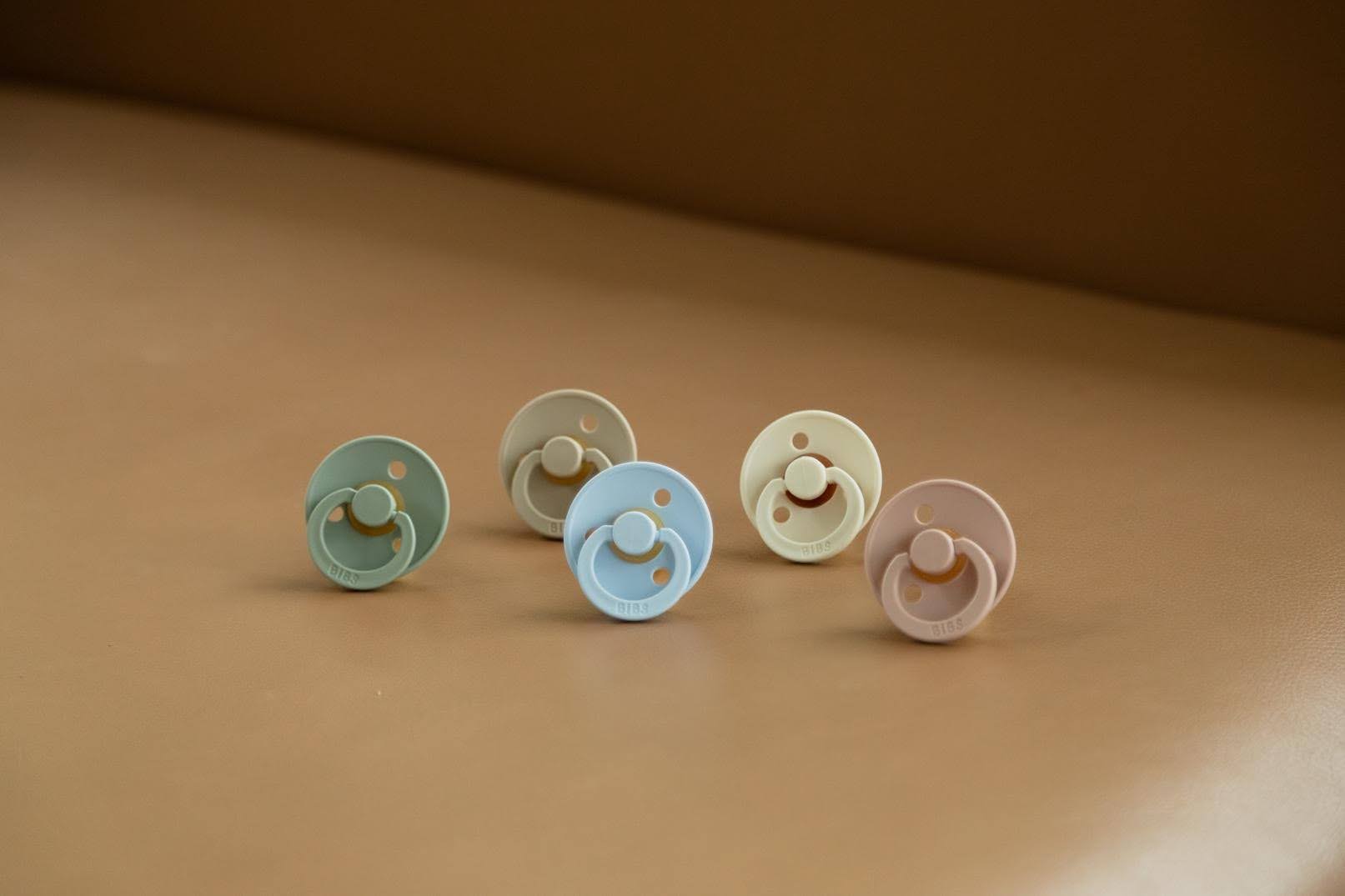
The first weeks with a newborn are equal parts wonder and exhaustion. Babies arrive with a limited but powerful set of needs, and learning to read and respond to them is one of the steepest parts of early parenthood. Comfort tools can make a real difference during this period: from a well-fitted swaddle to baby pacifiers by BIBS. Having the right objects to hand helps parents respond quickly and confidently when their baby needs settling.
Understanding What Newborns Actually Need
Newborns are not born knowing how to self-settle. In the womb, they were held snugly, surrounded by sound, and soothed by constant movement. The outside world is a sharp contrast, which is why the early weeks involve so much crying and so much parental effort to recreate those familiar conditions.
Most soothing strategies work by mimicking the womb environment in some way. Swaddling recreates the feeling of containment. Gentle rocking mimics the motion of being carried. Sucking is one of the most powerful calming reflexes a newborn has, and it activates long before birth.
The sucking reflex and why it matters
Babies begin practising the sucking reflex in the womb from around 14 weeks. By the time they arrive, it is one of their most developed instincts. Sucking is not only how babies feed, it is also how they regulate their nervous system, manage stress, and transition toward sleep. This is why a pacifier can be so effective as a soothing tool, particularly in the first few months before babies develop other ways of self-regulating.
Swaddling as a Foundation for Calm
Why swaddling works
A well-executed swaddle is often the first line of defence for a distressed newborn. By limiting the startle reflex and recreating the snug feeling of the womb, swaddling signals to the baby that they are safe. Many parents find that a swaddle alone can transform a fussy evening into a manageable one.
The key is a consistent technique. A swaddle that comes loose quickly loses its effect, and one that is too tight creates discomfort. Getting the fit right takes a little practice, but the payoff is significant.
When to use swaddling
Swaddling is most effective in the newborn phase, typically the first eight to twelve weeks. After that, as babies begin to show signs of rolling, it is time to transition away from it. Used well in that early window, it forms a cornerstone of a soothing routine that the whole family can rely on.
Pacifiers as Part of the Comfort Toolkit
Choosing the right pacifier
Not all pacifiers are equal, and finding the right one for your baby often takes some trial and error. Shape, size, and material all play a role in whether a baby takes to a pacifier willingly. BIBS pacifiers are designed with the natural shape of the breast in mind, which can make the transition between breast and pacifier smoother for breastfed babies. Their rounded shield and lightweight build also make them easy for newborns to keep in place.
Pacifiers and sleep
The American Academy of Pediatrics recommends offering a pacifier at sleep time during the first year of life, noting that its use is associated with a reduced risk of sudden infant death syndrome. As with all comfort tools, the goal is to use them in a way that supports the baby's development rather than creating dependency, something that tends to resolve naturally as babies grow and develop other self-soothing strategies.
Building a Routine Around Comfort
The most effective soothing approaches are consistent ones. Babies thrive on predictability, and a bedtime routine that combines swaddling, feeding, and a pacifier if needed gives them reliable cues that sleep is coming. It does not need to be elaborate; simpler routines tend to be easier to maintain and easier for caregivers to replicate.
Over time, the tools that feel essential in the newborn phase will naturally fall away as your baby develops. The early months are about meeting your baby where they are, and giving yourself the right toolkit to do that well.