Maintaining Peace of Mind With a Secure Home
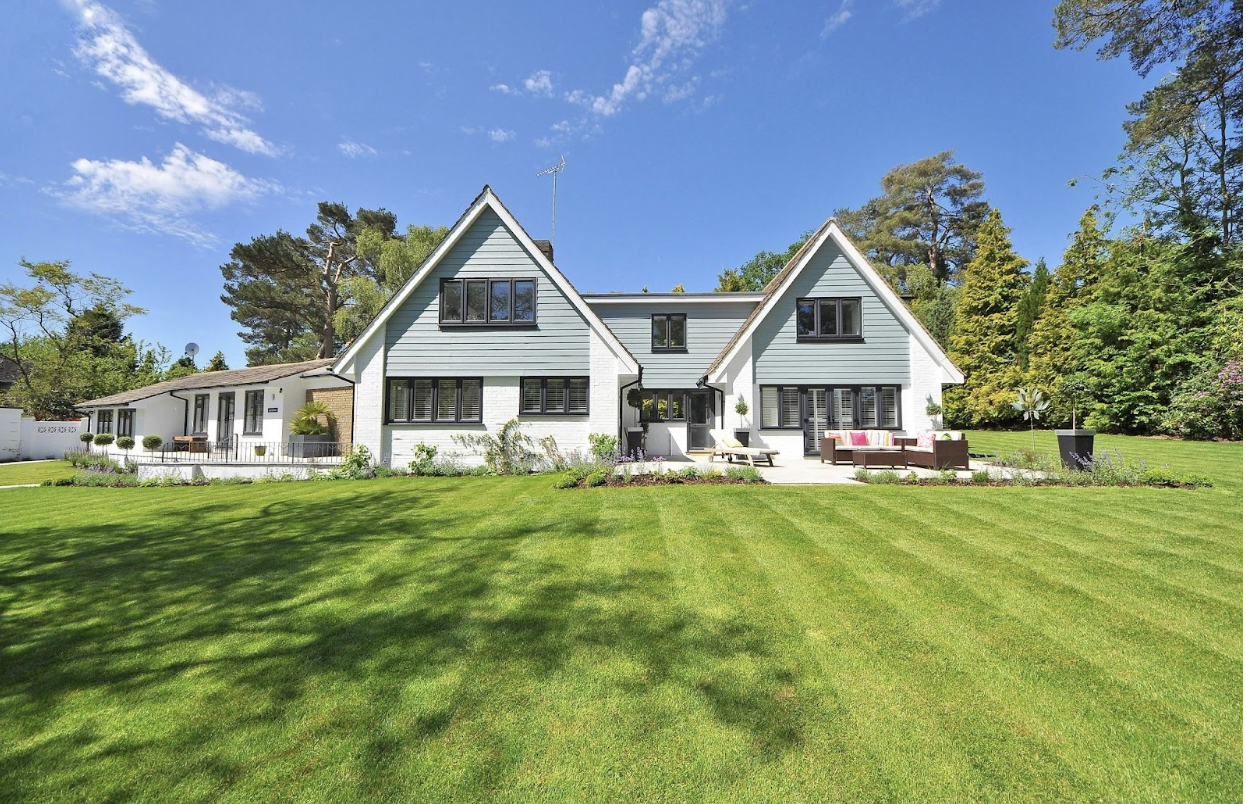
Maintaining peace of mind at home is not about building a fortress. It is about removing the little unknowns that keep your brain on alert. When your space feels predictable and protected, it is easier to relax, focus, and sleep.
Why Security Feels Like Peace
Your mind is always running quick safety checks, even when you do not notice it. A strange noise outside, a dark entryway, or a door that does not latch cleanly can keep you “on” all night. Small fixes matter because they reduce the number of questions your brain has to answer.
Security also becomes emotional fast. When you trust your home, you stop scanning and start settling. That shift is the real goal.
Create Predictable Entry Habits
Routines turn safety into something you barely think about. Use the same steps every time you leave and return, so you are not guessing later. It can be as simple as checking locks, setting lights, and placing keys in one spot.
If you live with others, agree on the same system. It prevents the silent stress of wondering who locked what.
Build Calm With Layered Protection
Think in layers, not in one big solution. When a few small barriers work together, you feel safer without adding hassle. The first layer is visibility, the second is access control, and the third is awareness.
If you want a starting point, you can go now and then come back to map your own layers, room by room. Keep it simple at first, because consistency beats complexity. Once the basics are steady, you can add upgrades that fit your budget and comfort level.
Use Lighting To Remove Unknowns
Darkness adds uncertainty, and uncertainty creates stress. When you cannot clearly see what is happening outside, your brain fills in the blanks, and it usually guesses “something’s wrong.” Good lighting reduces that guesswork. It also helps you feel in control because you can quickly confirm what you heard or saw without turning on every light in the house.
Start with the places where you pause or fumble: front steps, the path from the driveway, the garage entry, and any side gate. Motion lights near doors, garages, and side paths cut down the “what was that?” moments because they respond instantly and draw attention to movement. They also make it easier to spot hazards like steps, ice, wet leaves, or uneven pavement.
Make Smart Tech Work For You
Smart devices are popular because they reduce mental load. A home survey from American Home Shield reported that 93% of Americans own at least 1 smart home device, which shows how normal these tools have become. Use them as helpers, not as a hobby that creates more settings to manage.
Start with the problems you actually feel. If you worry about forgetting the garage door, automate reminders or set an auto-close schedule. If you dislike answering the door at night, a video doorbell can add comfort without changing your whole routine.
Prepare For The Moments You Cannot Plan
Some peace of mind comes from knowing you can handle the rare stuff. That might be a break-in attempt, a fire risk, or a medical issue. You do not need to obsess over worst-case scenarios, just build a few “if this, then that” plans.
A quick checklist can lower stress because it turns panic into steps:
- Keep emergency contacts printed and saved on phones
- Store a small flashlight in bedrooms and near exits
- Practice 2 exit routes from the main sleeping areas
- Use a simple safe spot for passports and vital papers
- Set a monthly reminder to test alarms and replace batteries
Protect The Outside Shell Of The Home
Security is not only about doors and cameras. The condition of the exterior can affect how safe you feel, especially during storms or high winds. A loose gate, warped trim, or leaking roof can create constant background worry.
Walk the perimeter once a month and look for weak points. Check that fences close cleanly, windows latch, and paths are clear. If water is getting in anywhere, fix it early, because small issues tend to become expensive and stressful problems later.
A Simple Weekly Reset
Peace of mind is easier when home care is on a schedule. Pick one day a week for a 10-minute reset. You are not “doing security,” you are keeping your environment steady.
Do a quick sweep: clear entry clutter, confirm locks work smoothly, and glance at outdoor lighting. When this becomes normal, your home starts to feel dependable, and your brain stops treating it like a project that is never finished.
A secure home is really a calm home. The best setup is the one you will keep using, even on busy weeks. Build your basics, make them routine, and let the quiet confidence add up over time.