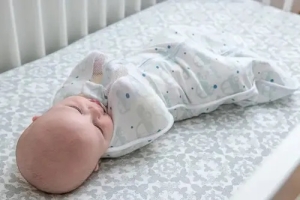
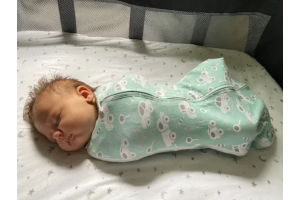
Parents buy three swaddles to find the one their baby accepts
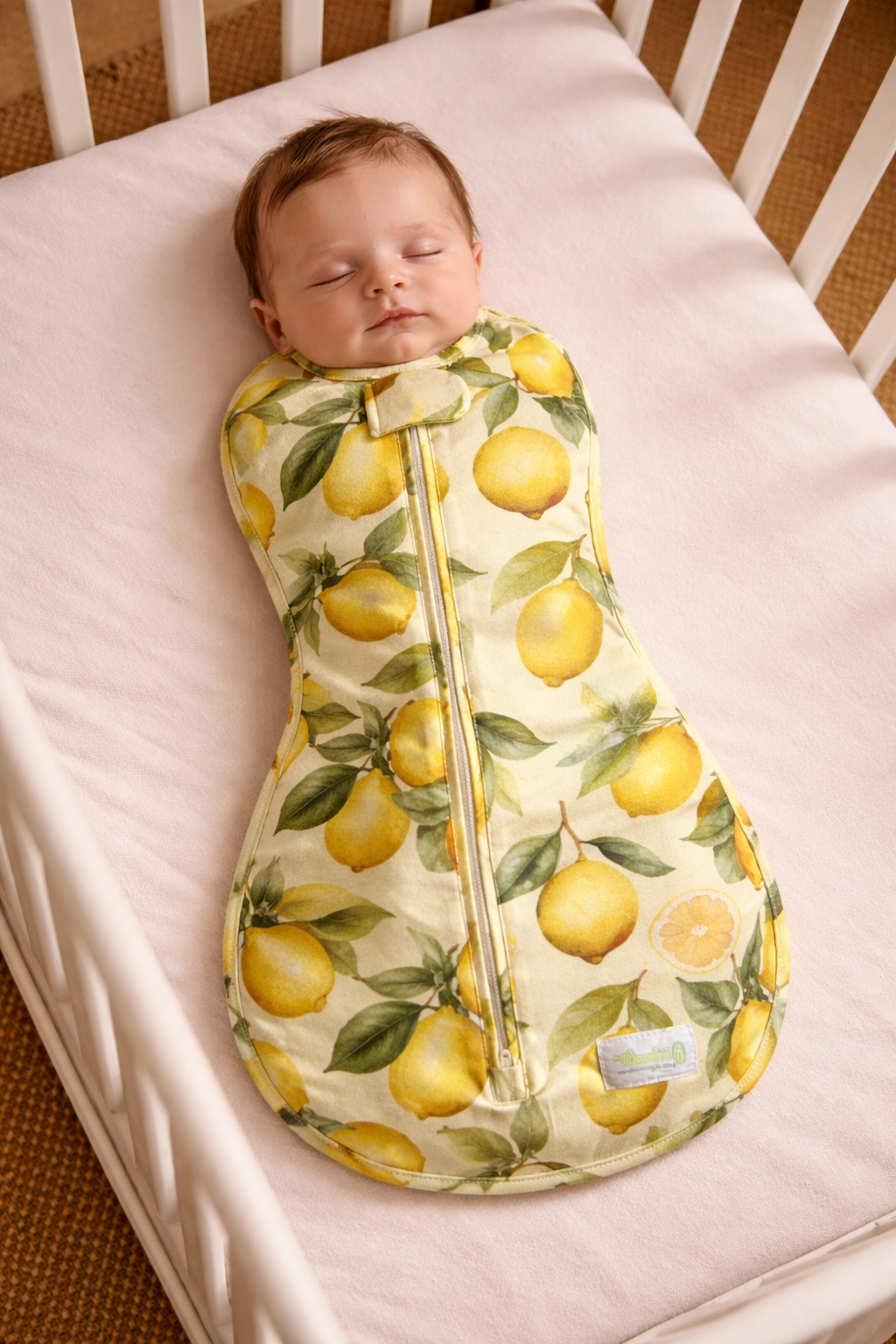
Every new parent knows the chaos of trying to soothe a restless baby in the middle of the night. It’s common to cycle through several swaddles, hoping one will finally help everyone get some sleep.
This isn’t about buying on a whim. It’s a direct response to a baby’s cues—whether that’s crying, squirming free, or settling down with relief.
The global baby swaddling market is growing fast, showing just how many families are searching for that one swaddle that works. For most, the trial-and-error shapes the earliest months of care, turning frustration into small victories at bedtime.
When frustration turns to experimentation at 3 a.m.
That’s when the real test begins—parents up at odd hours, cycling through swaddles and hoping the next one brings quiet. The room is dim, the clock glows, and every small sound feels amplified.
One moment, a baby arches their back. The next, there’s a muffled cry or a tiny fist poking out from what was supposed to be a snug wrap. Each signal sends parents scrambling for another solution, driven by the hope that this adjustment will mean at least a little rest for everyone.
It’s not just about chasing sleep. There’s a real urgency behind these midnight decisions—babies don’t wait for daylight to make their preferences known. Sometimes, a hasty online search or a quick scroll through parenting forums becomes part of this blurry routine.
In those moments, parents may even stumble across discussions or advice on the smart betting official website, comparing options just to find a hint of what works for others. The sense of community, even from a distance, can help make another attempt feel less lonely.
Every swaddle tried in the middle of the night is a small act of hope. When the right fit finally brings calm, that hard-won peace feels like a victory—however brief it may be.
How babies signal their preferences (and parents adapt)
That moment of calm can be fleeting, especially when a baby decides the swaddle isn’t right after all.
Babies have their own ways of making preferences clear. Some squirm or push against the fabric, while others turn red-faced or arch their backs in protest. Sometimes, a baby will simply relax in a different style, making the difference obvious in just a few minutes.
Parents quickly learn to spot these cues. A fuss or a sudden burst of flailing can send them back to the changing table, ready to try again. Each tiny reaction becomes a clue in the ongoing puzzle.
Over time, routines become more attentive. Nighttime checks get a little longer, hands hover over the baby’s chest to feel for warmth or tension, and every gentle sigh is a signal to be read. It’s not just about sleep anymore—it’s about learning a new language, one gesture at a time.
Conversations with other parents often become part of this process. Swapping stories about what worked and what didn’t is just as common as swapping out swaddles themselves.
- Some babies hate any restriction and wiggle free no matter what.
- Others only settle with arms tucked tight, while a few prefer a loose wrap around their middle.
- Breathable fabrics are sought out when overheating becomes a worry.
- Innovative designs now address both comfort and safety for restless babies.
For those still searching, products like the Woombie Air Swaddle are made to meet these shifting needs, offering more options as parents try to find what truly works for their unique child.
Navigating safety in a sea of swaddle choices
With so many new swaddle options on the market, parents quickly realize that safety has to come first, not just effectiveness or style.
The U.S. makes up a big share of global swaddle sales, with North American families buying hundreds of millions of dollars' worth every year. That means a lot of babies end up wrapped up—so even rare problems can feel alarming to new parents.
Stories about incidents, even if they are very rare, make parents cautious. Over one million swaddle wraps sold in the U.S. led to only a handful of reported safety incidents in recent years, but those numbers still weigh on tired minds during midnight worries.
It’s no surprise that parents pay close attention to pediatric safety guidelines. Many look for swaddles with breathable fabrics, secure fastenings, and clear instructions.
- Breathable fabrics help reduce overheating risks.
- Secure closures make it harder for babies to wiggle loose.
- Brands with good safety records provide extra reassurance.
Parents often seek out detailed reviews and safety reports before deciding. Reading articles like the Swaddling Safety Review can help families sort out which swaddles are worth trusting.
In a crowded market, the comfort of knowing a swaddle is both safe and soothing makes all the difference.
What the swaddle search reveals about today’s parenting
The comfort that comes from a well-chosen swaddle isn’t just about sleep—it’s a window into how parents respond to the demands of raising a newborn.
Trying out several swaddles before hitting on the right one is almost a rite of passage now. It sheds light on the way families adapt, learn on the go, and sift through endless choices in an overwhelming market.
With the global baby swaddling market expected to reach over two billion dollars by 2030, it’s clear that countless parents are on this same journey. The pressure to choose quickly and wisely has only grown as new options appear each year.
What stands out is how parents are looking not just for softness and snugness, but for something that feels easy to use and safe for their baby. The rise of newer materials, like those in the Bamboo Mod Swaddle, points to a bigger shift—parents want products that make small, stressful moments just a little easier.
Each time a parent finds the right fit, it marks more than just another purchase—it’s a little victory in a season filled with uncertainty. That sense of agency matters. It’s what turns the endless trial and error into something that feels a bit more manageable, even empowering, during those unpredictable newborn months.
- Parents often try three or more swaddles before finding the right one.
- The search highlights how quickly families adapt to a child’s needs.
- Market growth shows this is a widespread experience.
- Innovations in material and design reflect parents’ evolving priorities.
- Finding the right swaddle can give parents a real sense of accomplishment.
Why this pattern persists—and why that’s okay
This cycle of buying, testing, and learning feels almost universal among parents today.
Every new swaddle represents a fresh attempt to meet a newborn’s unpredictable needs, not just another failed purchase.
There’s comfort in knowing that, as shown in the Baby Swaddling Market Report 2025, families everywhere are on this same journey.
Each trial is really a sign of adaptability and care, not waste.
And in the end, the process is less about the product and more about responding to a baby’s signals—something that makes parents feel resilient, no matter how many swaddles it takes.