Understanding the Lasting Impact of Early Education on a Child’s Future
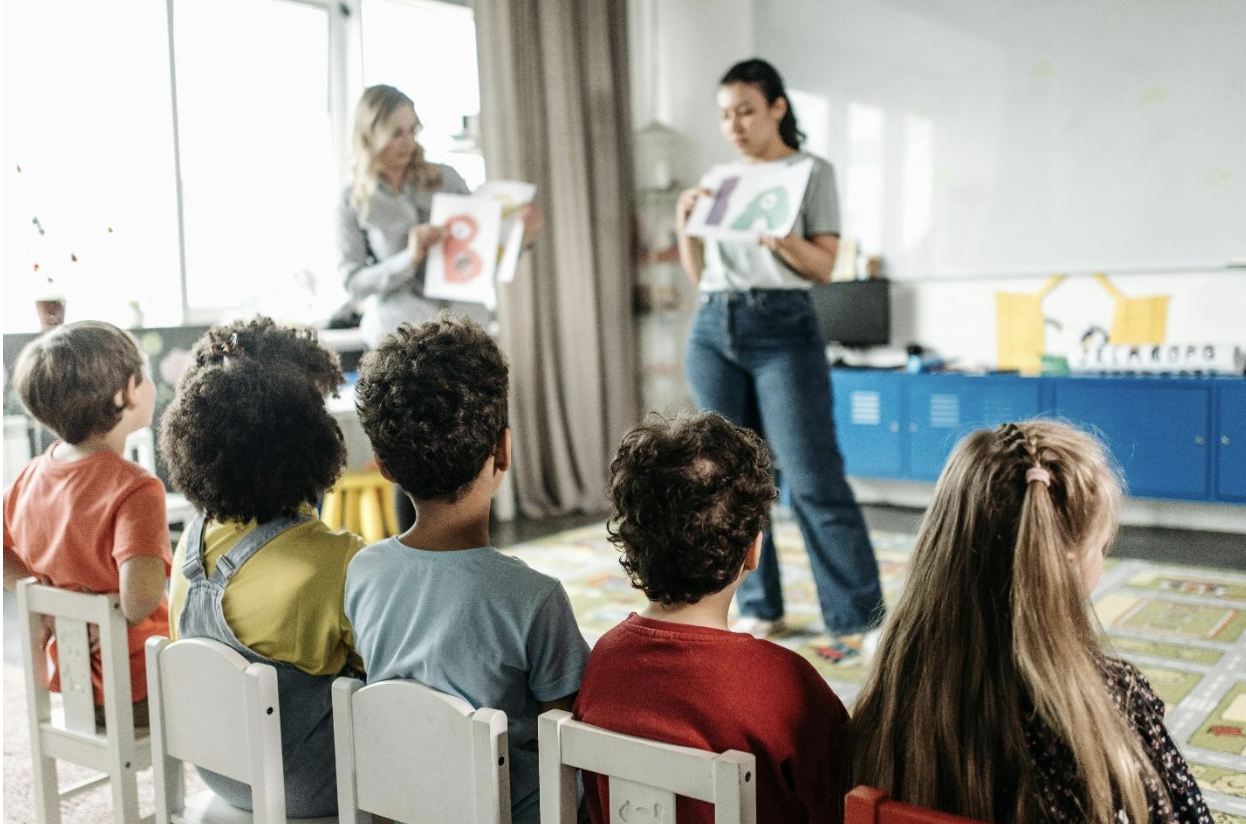
You can tell pretty quickly when a child is either used to being listened to or not. It shows in small ways. How they answer questions, how they react when something does not go their way, and even how they sit in a room.
These things do not appear out of nowhere. They build early, often before formal schooling even begins. The early years do not just prepare children for school. They shape how they deal with people, problems, and even themselves later on.
What Early Learning Actually Builds
People often think early education is about letters, numbers, and basic routines. That is part of it, but it is not the main thing. What is really being developed is how a child processes the world around them. Simple interactions matter. Being asked a question and given time to answer. Being corrected without being shut down. Learning that mistakes are part of the process. These experiences seem small, but they build patterns.
Over time, those patterns turn into habits. A child who is used to being guided rather than rushed tends to approach problems differently. There is less hesitation, and sometimes less fear of getting it wrong. This carries forward. Not always in obvious ways, but it shows up later in school, then in work, then in everyday life.
Where Educators Come In
The role of educators in early learning is often misunderstood. It is not just about teaching content. It is about shaping how that content is received. That takes a certain level of preparation. Not just patience, but an understanding of how children learn at different stages. Some children respond to structure, others to flexibility. Knowing the difference is not something that comes naturally to everyone. This is where structured educational pathways, like early childhood education online degrees, come in. It is not about convenience alone. It is about making sure those working with children are properly prepared, even if their path into the field looks different from before.
The Long Reach of Early Experiences
What happens in early education does not stay in early education. It extends further than most people expect. A child who learns to communicate clearly early on often carries that into later years. Group work becomes easier. Expressing ideas feels more natural. On the other hand, a child who struggles to be heard early may carry that hesitation forward.
The same applies to problem-solving. Early exposure to guided thinking helps children understand how to approach challenges step by step. Without that, frustration tends to take over more quickly. These are not fixed outcomes, but they do create a starting point. And starting points matter more than people sometimes admit.
The Influence of Environment
It is not just what is taught, but where and how it is taught. The environment plays a quiet role. A structured but flexible space tends to work best. Too rigid, and children become passive. Too loose, and it becomes difficult to build consistency. Finding that balance is not easy, which is why early education settings vary so much in quality.
There is also the social side. Learning alongside others teaches negotiation, patience, and cooperation. These are not formal lessons, but they are learned anyway. In many cases, these social skills end up being just as important as academic ones.
Why Parents Are Paying More Attention
There has been a noticeable shift in how parents approach early education. It is no longer seen as just childcare. There is more focus on what is actually happening during those hours. Part of this comes from access to information. Parents can now compare programs, read about different approaches, and understand what to look for. That awareness changes expectations.
It also changes decisions. Families are more likely to ask questions, observe environments, and think about long-term impact rather than short-term convenience. This does not mean every decision is perfect. It just means there is more intention behind it.
The Challenge of Consistency
One of the harder parts of early education is maintaining consistency. Children benefit from routine, but real life does not always allow for perfect structure. Schedules change. Teachers change. Home environments differ from school environments. All of this affects how learning is experienced.
Even so, consistent patterns tend to help. Repetition, clear expectations, and steady interaction build a sense of stability. That stability makes it easier for children to engage and learn. Without it, progress can feel uneven. Not impossible, just less predictable.
The Skills That Are Harder to Measure
Some of the most important outcomes of early education are also the hardest to measure. Confidence, curiosity, and the ability to handle setbacks. These do not show up on standard assessments, but they influence everything that comes later.
A child who is comfortable asking questions tends to learn more over time. A child who can handle small failures is more likely to keep trying when things get difficult. These traits are built gradually. They do not come from one lesson or one moment. They develop through repeated experiences that reinforce certain ways of thinking.
Looking at the Bigger Picture
When people talk about education, they often focus on later stages. Exams, grades, career paths. Those matter, but they are built on earlier foundations. Early education sets those foundations, sometimes quietly. It shapes how children approach learning before the pressure of performance is introduced. This does not mean early education determines everything. People change, environments shift, new influences come in. Still, the early years provide a base that is hard to ignore.
The growing attention on early education reflects a broader understanding. It is not just about preparing children for school. It is about preparing them for interaction, problem-solving, and adaptation. That understanding is still evolving. Not every system reflects it fully yet. But the direction is clear. More emphasis is being placed on how children learn, not just what they learn. That shift may seem subtle, but over time, it changes outcomes. And those outcomes tend to show up much later, often in ways that are only obvious when you look back.