When a Child Can Safely Move from the Back to the Front of a Vehicle
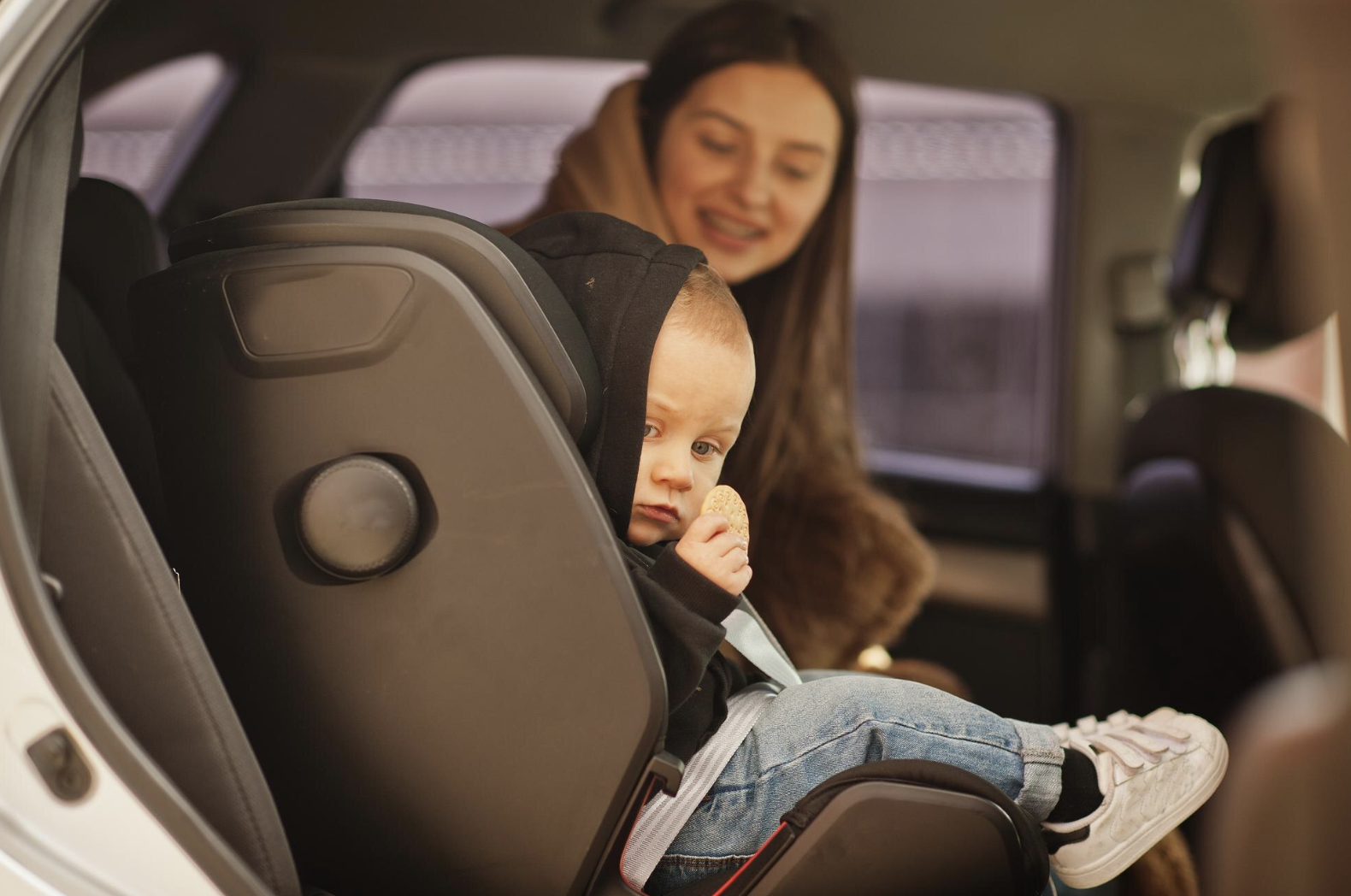
Many parents remember the day they were allowed to ride up front. It is a major rite of passage for a child who is tired of being in the back row with the groceries. Seeing the road from the dashboard feels like a significant step toward becoming an adult for any young person.
While kids see this move as a reward, parents must look at it through the lens of physics. Car interiors are designed for adult bodies, and safety features can be dangerous for someone smaller. Making the right choice is about more than just convenience or a growing child's sense of fairness.
Deciding when can a child sit in the front seat in California involves legal requirements and biological readiness. Ensuring a safe trip means following the data rather than the desires of a child. Following these rules protects the next generation during every drive on the busy state roads.
Primary Dangers of Passenger Side Airbags
Passenger side airbags are a primary concern for any parent considering a move to the front row. These devices deploy with a massive amount of force, often exceeding two hundred miles per hour in a split second. They are designed to hit the chest of an adult who is much taller and heavier.
If a small child is sitting in the path of a deploying airbag, the impact can cause severe trauma to their developing frame. Instead of cushioning a fall, the heavy fabric and gas can strike the head or neck with enough power to cause permanent injury. The risk is simply too high.
Safety experts recommend keeping children away from these powerful devices for as long as possible. A child who is too short will receive the brunt of the force in their face rather than their chest. Avoiding this hazard is the most important reason to delay the move.
Age Requirements and Physical Maturity
Most national safety organizations recommend waiting until a child is at least thirteen years old before they occupy the front passenger space. This age is not a random number, as it typically marks the point when the skeletal system has hardened enough to withstand the stresses of a collision. It provides a baseline.
However, height and weight are often more important factors than the number of birthdays a child has celebrated. A very small teenager may still be at risk if the seatbelt does not cross their shoulder correctly. Biological readiness varies between individuals, so parents must use their best judgment based on their specific kid.
Focusing on growth milestones ensures that the safety equipment can actually do its job during a crash. A child who is tall for their age might be ready sooner, while a smaller teen might benefit from staying in the back longer. Putting safety first means ignoring any of the social pressures.
Ensuring a Proper Seatbelt Fit
Proper seatbelt fitment is the next hurdle that must be cleared before a child can safely sit up front. The lap belt should rest across the upper thighs, and the shoulder strap must stay centered on the chest. If the strap hits the neck or the chin, it can cause devastating internal injuries.
Adjusting the seat position is also a vital step in protecting a young passenger. Keeping the seat pushed as far back as possible from the dashboard provides more space in the event of an airbag deployment. This distance gives the device room to expand fully before making contact with the person.
Checking the fit every single time a child gets into the car is a habit that saves lives. Seatbelts are only effective when they are worn correctly over the strongest parts of the body. Ensuring a snug fit is the final technical requirement for a safe and secure ride.
Legal Exceptions and Parent Responsibilities
There are specific exceptions to these rules, such as when a vehicle does not have a backseat or when all other seats are occupied. In these rare cases, a child might sit up front if they are in a booster seat and the airbag is off. These situations require extra attention.
Medical necessities can also play a role in where a child is seated during travel. If a child has a condition that requires constant monitoring by the driver, a doctor might provide guidance on the safest arrangement. However, these instances are the exception rather than the rule for most families.
Legal consequences for parents who fail to follow state mandated seating rules can be quite severe. Citations and fines are common, but the true cost is the increased risk of injury during an accident. Law enforcement officers look for these violations to protect the most vulnerable passengers on the road.
The backseat remains the safest place for children long into their teenage years, regardless of how much they complain about the view. Statistics consistently show that the center rear seat provides the highest level of protection during almost every type of collision. Prioritizing safety over a child's desire is a mark of parenting.
Giving in to a child's demands might seem easier in the moment, but it is not worth the risk. The physical differences between an adult and a child are significant enough that seating position makes a real difference in survival rates. Staying in the back row is a simple way to reduce trauma.
Final advice for parents is to stay firm on these rules until the child reaches the recommended milestones. Education and clear communication help kids understand why these boundaries exist. A memorable and safe experience is always better than one that ends in an avoidable injury due to a poor seating choice.